
The short answer
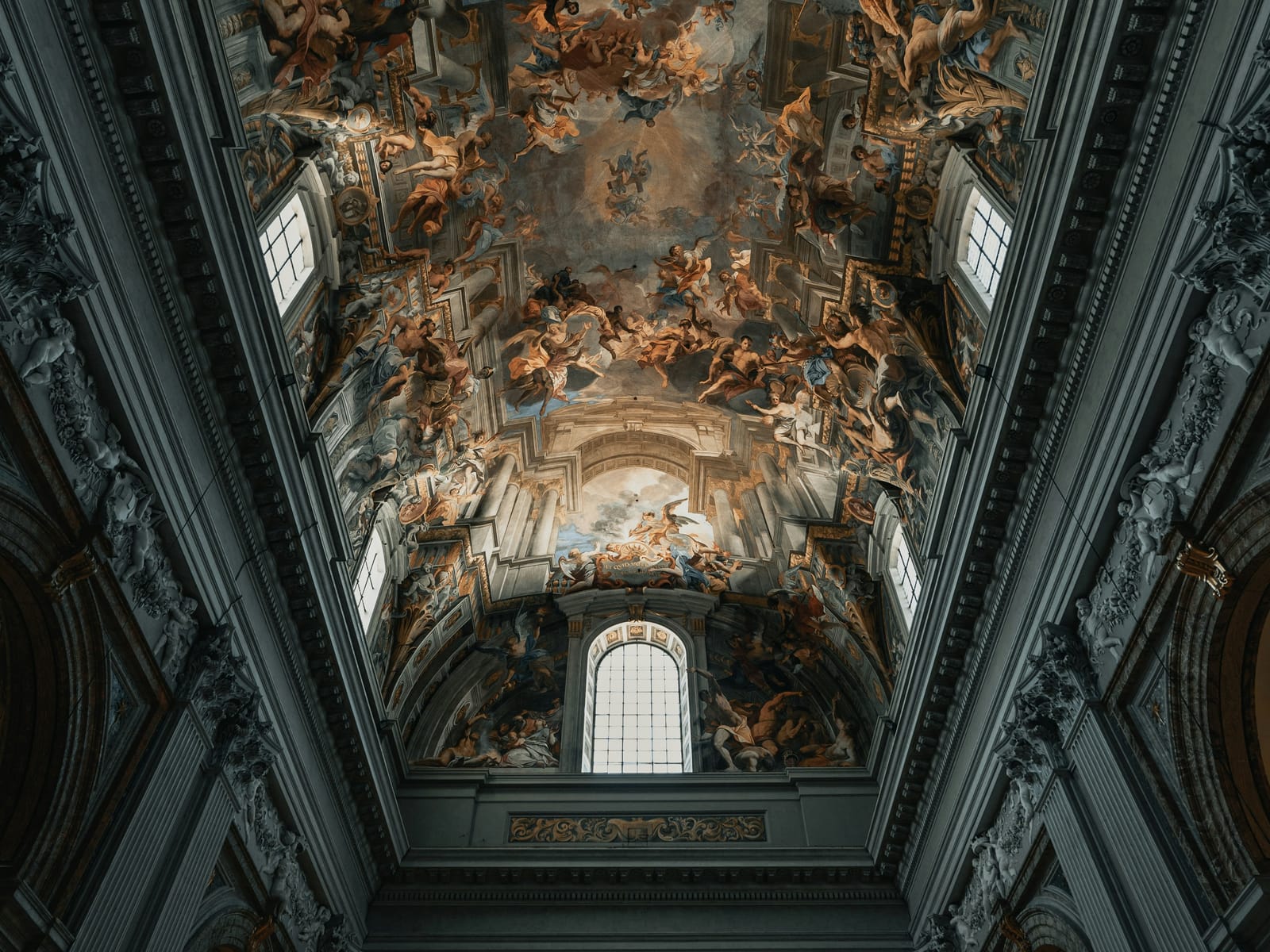
Rome to Florence by train to Venice. Two nights in each city. That is the essence of Italy in seven days. You arrive at Rome Fiumicino, a driver meets you, and you step into a city where the Colosseum and the Pantheon are not in museums but on the street where you walk to breakfast. Two days there, then ninety minutes by train to Florence and the Renaissance — the Uffizi, Michelangelo's David, the Duomo that rises over the city like a small mountain. Then two more hours by train to Venice, where water has replaced the streets and you navigate by bridge and boat to the Basilica of St. Mark's and back through the quieter canals where the cats sleep in doorways.
Day-by-day breakdown
| Day | Base | What you do |
|---|---|---|
| 1 | Rome | Arrival. Meet your driver at the airport. Settle into your hotel, explore the historic centre and Trastevere on foot. Dinner at a neighborhood trattoria. |
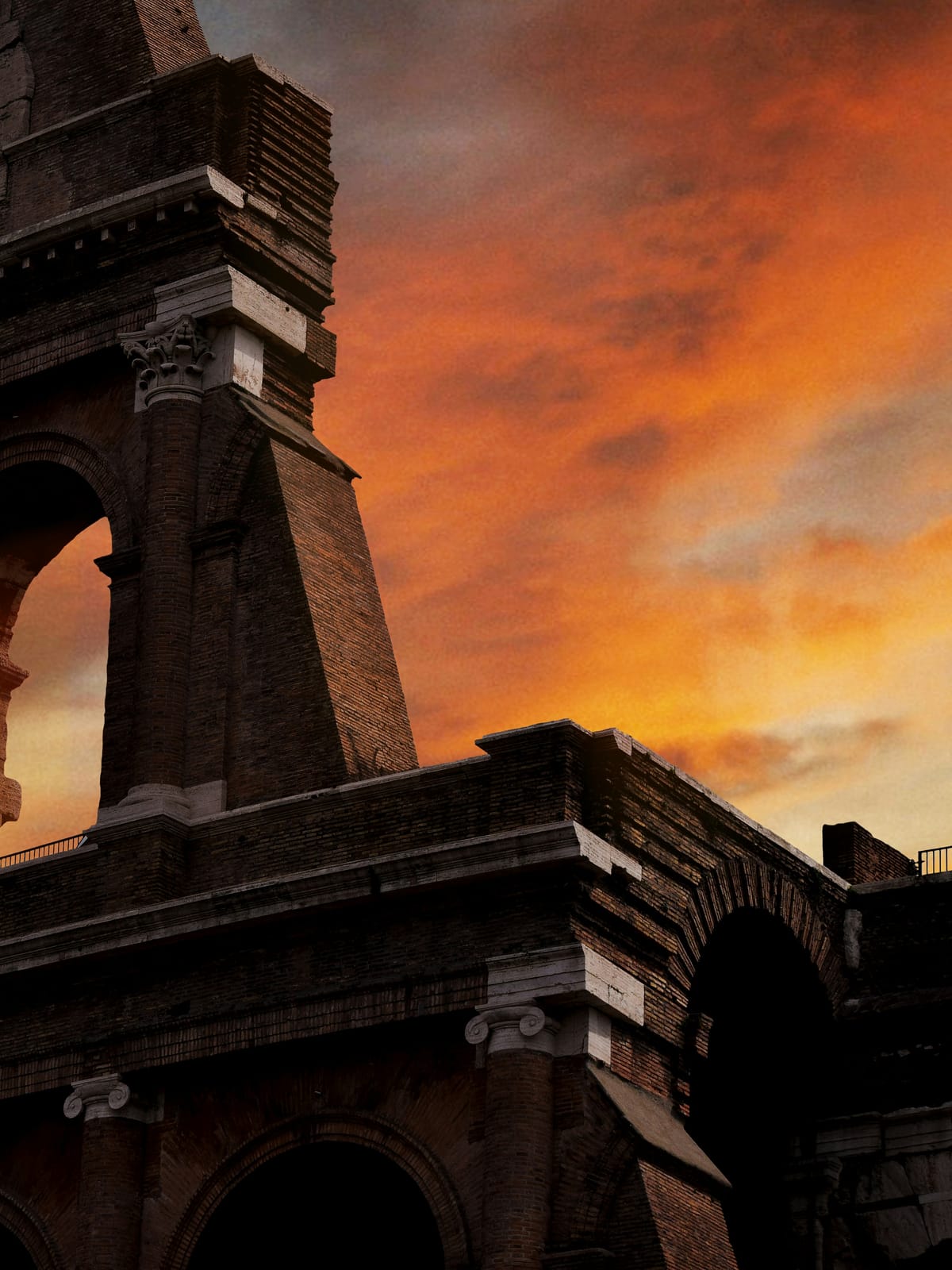
| 2 | Rome | Private guide for Colosseum (skip-the-line), Roman Forum, and Palatine Hill. Afternoon free — Borghese Gallery, Trevi Fountain, more of Trastevere, or simply wander. |
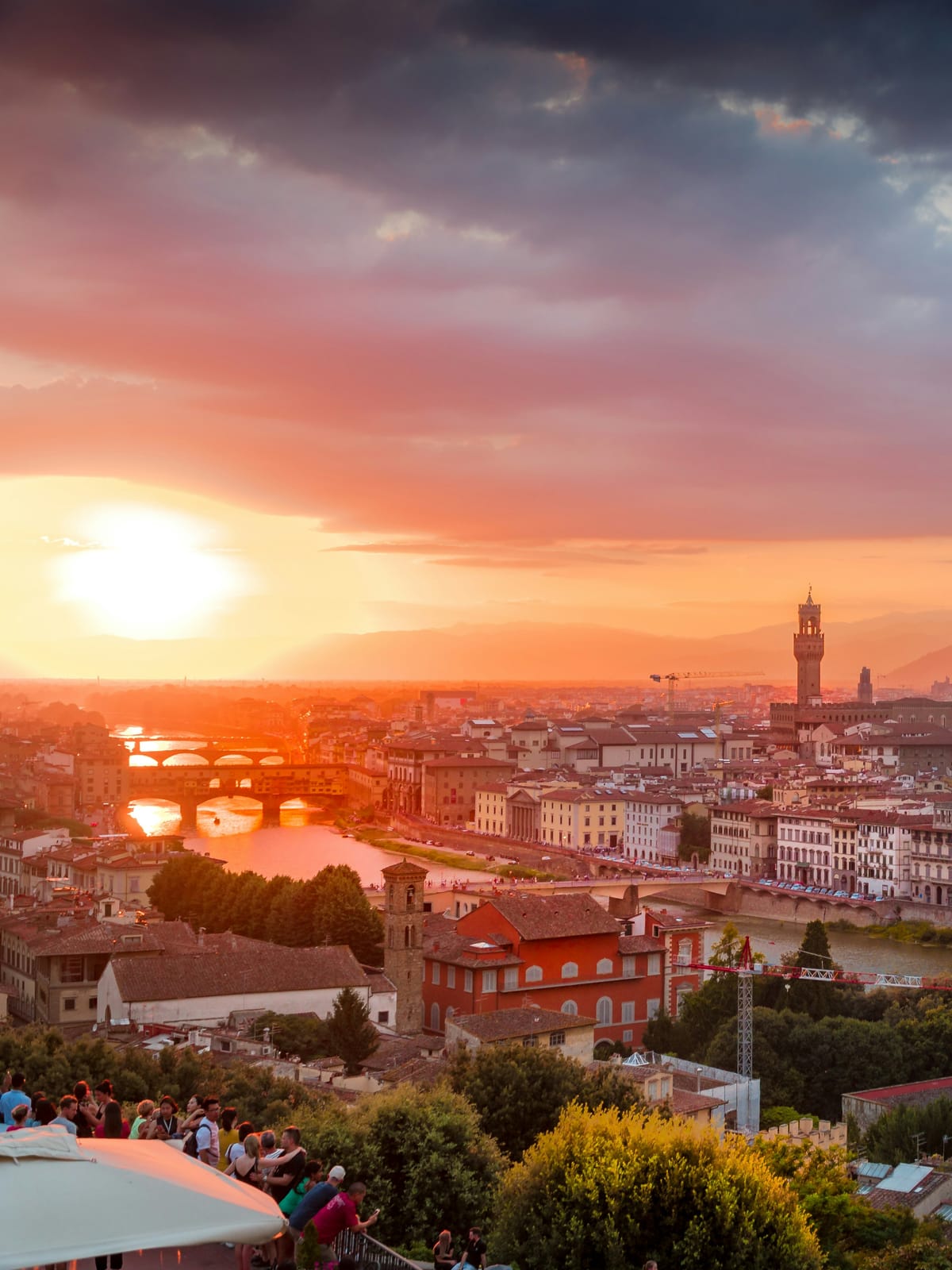
| 3 | Florence | Train: Rome to Florence, 90 minutes. Arrive mid-afternoon. Walk across Ponte Vecchio and settle into your hotel. Evening walk along the Arno. |
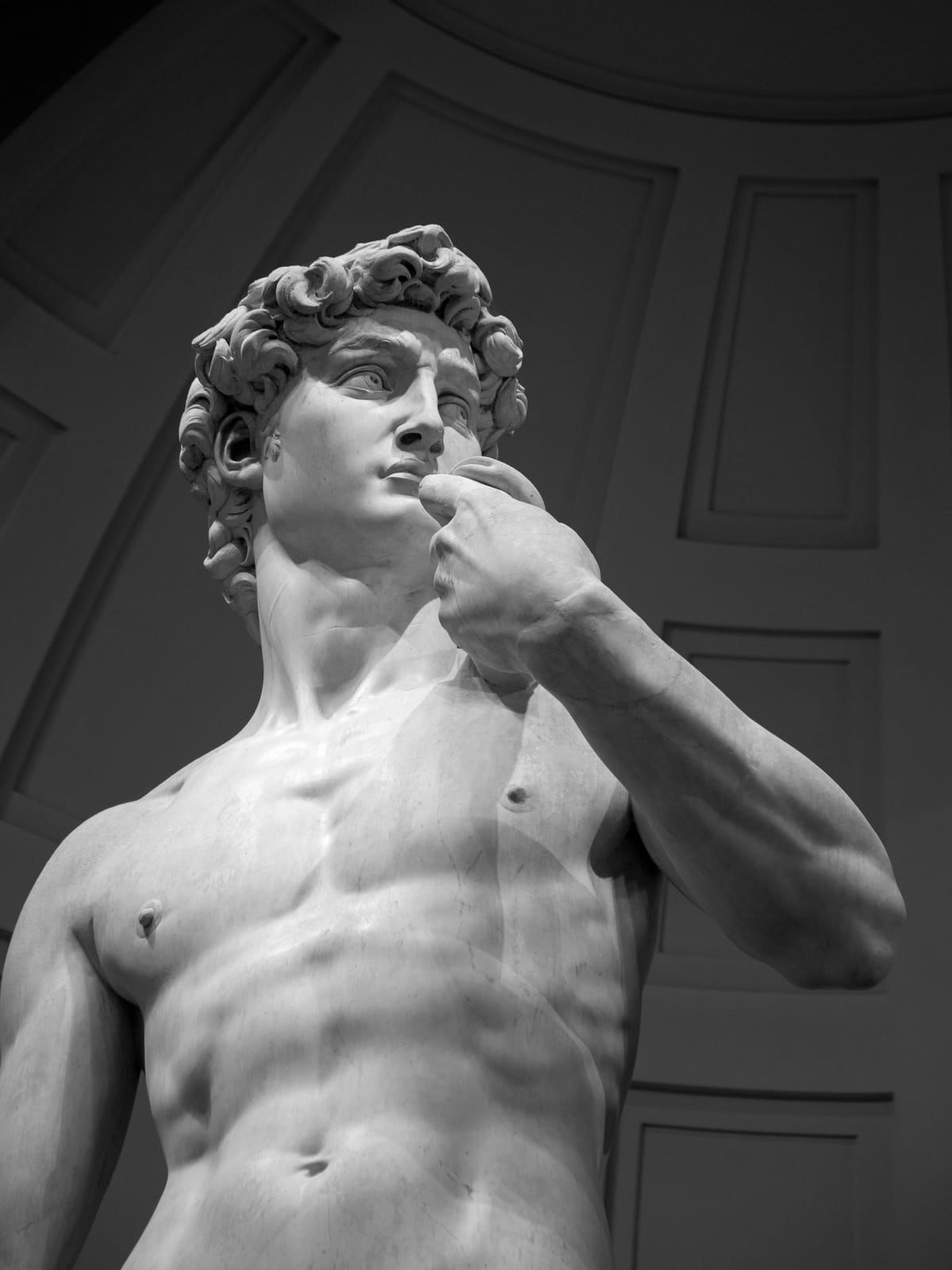
| 4 | Florence | Private guide for Uffizi Gallery (Botticelli, Leonardo) or Accademia (Michelangelo's David), the Baptistery, Duomo. Afternoon free for leather shops, the Mercato Centrale, or a long coffee in Piazza della Repubblica. |
| 5 | Venice | Train: Florence to Venice, 2 hours. Arrive mid-afternoon. Private water taxi through the back channels, then into the Grand Canal. Cicchetti and wine at a bacaro (Venetian bar). |
| 6 | Venice | Private guide for St. Mark's Basilica, Doge's Palace and Bridge of Sighs. Afternoon in Dorsoduro or the Scuola Grande di San Rocco. Optional: gondola ride at dusk. |
| 7 | Venice | Final morning in Venice. Rialto Market, a last espresso at the bar, walk across the Rialto Bridge. Water taxi to Marco Polo Airport. |
Rome — the eternal city (Days 1–2)
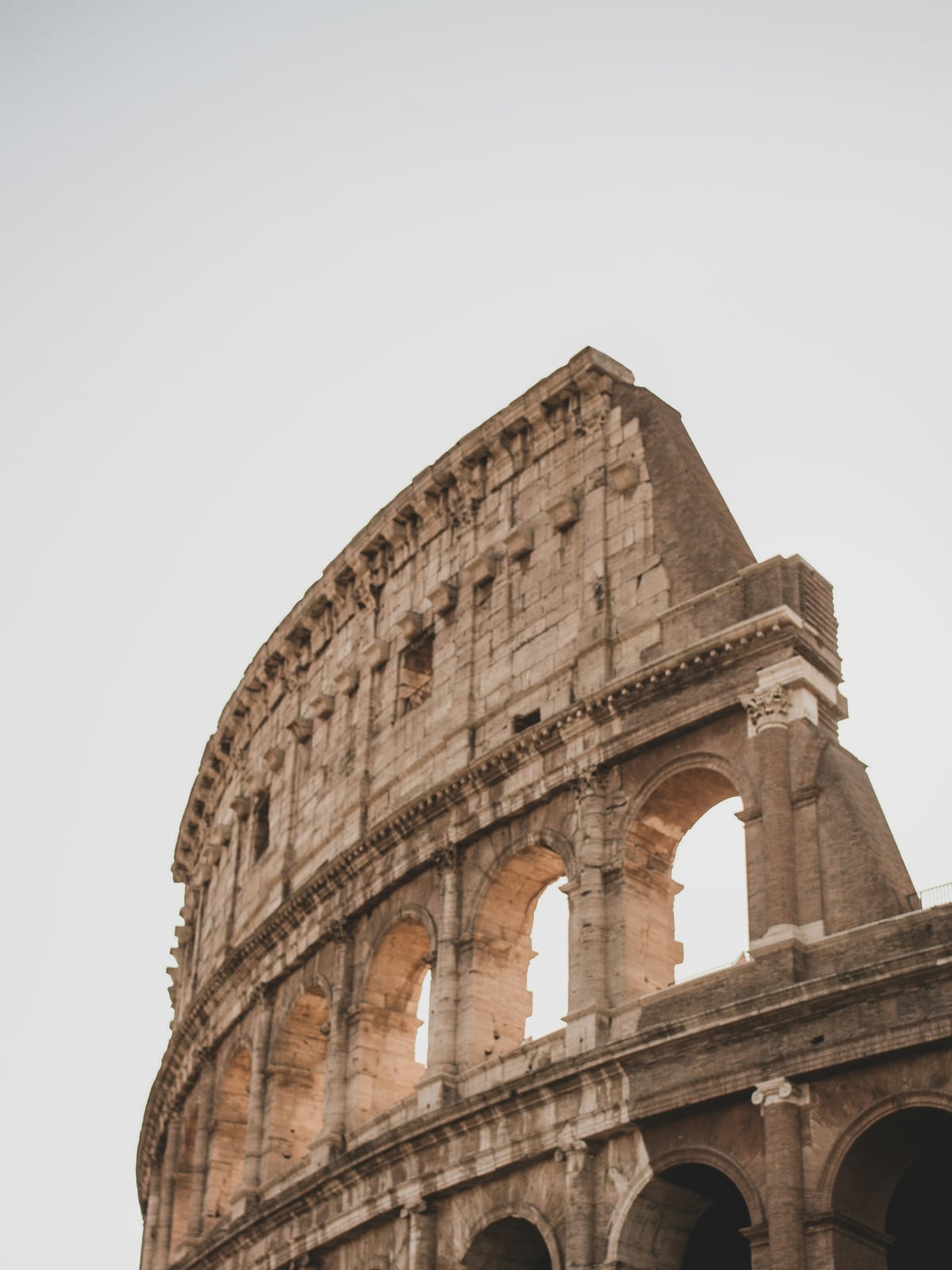
Rome announces itself at the airport: a private driver with your name on a card, and then the city itself — the Colosseum rising above the street traffic, the Trevi Fountain where you throw a coin and promise yourself you'll return.
Day one is your arrival. Your driver takes you to your hotel in the historic centre — walking distance to the Pantheon, the Forum, the best trattorias. The afternoon is yours to find your rhythm. Walk without a map. Follow the sound of water to a fountain. The Pantheon is open all afternoon and a small ticket gets you inside to look up at the oculus where the light comes down like something is still alive in this 2000-year-old building. Or wander Trastevere, where the neighborhood streets are narrow and the restaurants spill onto the cobblestones. Dinner is wherever the smell draws you.
Day two, your private archaeologist guide meets you after breakfast. The Colosseum is first — skip-the-line access, and your guide makes the engineering and the spectacle of fifty thousand spectators and inaugural games feel immediate. The Roman Forum is the collapsed heart of a city of one million people. Palatine Hill gives you the view over the ruins. The afternoon is free. The Capitoline Museums, the Aventine Hill keyhole view of St. Peter's, or another walk through the neighborhoods where Italians live.
Florence — the birthplace of the Renaissance (Day 3–4)
Your driver transfers you to Roma Termini station and you board the high-speed train — ninety comfortable minutes through the Lazio countryside and into the green hills of Tuscany. At Firenze Santa Maria Novella, another driver is waiting. Your hotel is in the historic centre, within walking distance of everything that matters.
Day three afternoon: cross the Ponte Vecchio at golden hour. The Arno beneath it turns bronze in the last light. Browse the leather workshops of the Oltrarno. Find a table in Piazza Santo Spirito and watch the Florentines go about their evening. Dinner is nearby, in a side street.
Day four, your art historian guide meets you after breakfast. The Baptistery's gilded Gates of Paradise, the Duomo with the dome Brunelleschi built without scaffolding, Piazza della Signoria with its sculpture collection. Then the Uffizi Gallery or the Accademia — your choice. The Uffizi holds Botticelli's Birth of Venus and Leonardo's Annunciation in the densest concentration of Renaissance painting on earth. The Accademia has Michelangelo's David, which is larger than any reproduction suggests. The afternoon is free. The leather school, the market, a coffee as the city moves around you.
Venice — the city made of water (Days 5–7)
From Florence, the train turns northeast through the Po Valley. Then the causeway appears, and suddenly water is on both sides. Venice Santa Lucia station is the end of the line. A water taxi, not a car, meets you. The driver takes you through the back channels first — tight alleys of water, laundry hanging above — then into the Grand Canal. The palazzi lean over the water. The Rialto Bridge frames the view ahead. Check in, find a bacaro in San Polo, order cicchetti and a glass of Soave. It's the Venetian equivalent of tapas.
Day six, your Venetian art historian meets you for a morning in St. Mark's Basilica — the golden mosaic ceiling represents a thousand years of Byzantine art. The Doge's Palace follows, seat of a maritime republic that controlled trade across the eastern Mediterranean. The Great Council Chamber, Tintoretto's Paradise, the Bridge of Sighs connecting to the prisons. The afternoon opens into quieter Venice: Dorsoduro's waterfront, the Scuola Grande di San Rocco with its Tintoretto ceiling. An optional gondola ride at dusk — the Grand Canal in the last light, the palazzi turning gold.
Day seven is your last Venice morning. An espresso at the bar, a walk through the Rialto market where the vegetables are arranged as if someone is competing and the fish from the lagoon is still glistening. At the agreed time, your water taxi transfers you across the lagoon to Marco Polo Airport.
Where to base yourself
Rome: stay in the historic centre — within walking distance of the Colosseum, the Forum, Trastevere, and the best restaurants. A 4-star hotel with character beats a 5-star chain every time.
Florence: the historic centre, near the Duomo and the Ponte Vecchio. Same rule applies — walkability and neighborhood character matter more than hotel prestige.
Venice: near the Grand Canal or in San Marco. The city is only two miles end to end, but a canal-view room or a central position saves you exhausted navigation at the end of a long day.
Ways to adjust this itinerary
Add Tuscany: spend one night (or two) in the Chianti hills or a village like San Gimignano on the way between Florence and Venice. Your driver can route you through the countryside and small towns.
Go slower in one city: use Rome or Venice as your base for three nights instead of two. Skip one city entirely if you'd rather have breathing room.
Add the Amalfi Coast: continue south from Rome instead of going directly to Florence. The coast adds 2–3 days but is a different version of Italy — cliffs, lemon trees, and a slower pace.
Reverse the route: start in Venice, end in Rome. Some travelers prefer that — Venice's dreamlike feeling stays with you on the way home.
How we plan it
This itinerary is a starting point. We'll walk you through every choice — which hotel in each city, whether you want group tours or a private guide, whether you're adding Vatican Museums or a Tuscany day trip. Then we arrange the trains, the drivers, the skip-the-line tickets, and everything else. A real human replies within one working day, and we stay reachable until you're home — and a few days later, we'll check in to hear which city has already claimed a permanent place in your conversation.
Frequently asked questions
Is a 7-day Italy itinerary rushing it?
Seven days is exactly enough to experience Rome, Florence, and Venice meaningfully. You have two nights in each, which gives you a full day in the city plus time to settle in and wake up slowly. It's not rushed — it's just right for a first trip.
Can I reverse this itinerary and start in Venice?
Yes — the route works equally well in either direction. Venice first, then Florence, then Rome. Some travelers prefer to end in Venice so the final impression is the most dreamlike. We can advise on flight routing.
Do I need 7 full days or can I do it in 5?
Five days means one night in each city — you can do it, but it will feel rushed. Seven is the minimum for a first visit where you want to actually absorb the cities. Ten to fourteen days lets you add Tuscany, the Amalfi Coast, or Sicily.
Are train tickets included in the cost?
Yes — all high-speed train tickets between cities are included in a fully planned trip. You simply step off the train and your driver is waiting. No surprises, no logistics to figure out.
What happens if I want to spend more time in one city?
That's why we plan it with you. Three nights in Rome and two in each of the others, or vice versa — we adjust based on what calls to you. Every itinerary is custom.
How do I get to Rome from the airport?
A private driver meets you at Rome Fiumicino with your name on a card and takes you directly to your hotel. No taxis, no navigating the bus system. That first transfer sets the tone for the entire trip.
 Quick cookie chat