
The route at a glance
Fly into Rome, fly home from Santorini or Athens. In between: Rome (3 nights) → the Amalfi Coast (3 nights) → Athens (3 nights) → Mykonos (2 nights) → Santorini (2 nights). This 14 day Italy and Greece itinerary is built around one flight, from Naples to Athens, and two short island hops by ferry or plane. Italy comes first because its cities are about history and art, and Greece comes second because its islands are about doing less.
Every day here is a move or a sight, never both. The longest transfer is the day you cross countries, and the rest of the days take less than three hours door to door.
Day-by-day overview
| Day | Base | What you do |
|---|---|---|
| 1 | Rome | Arrive at Fiumicino Airport, evening walk to the Pantheon and Trevi Fountain |
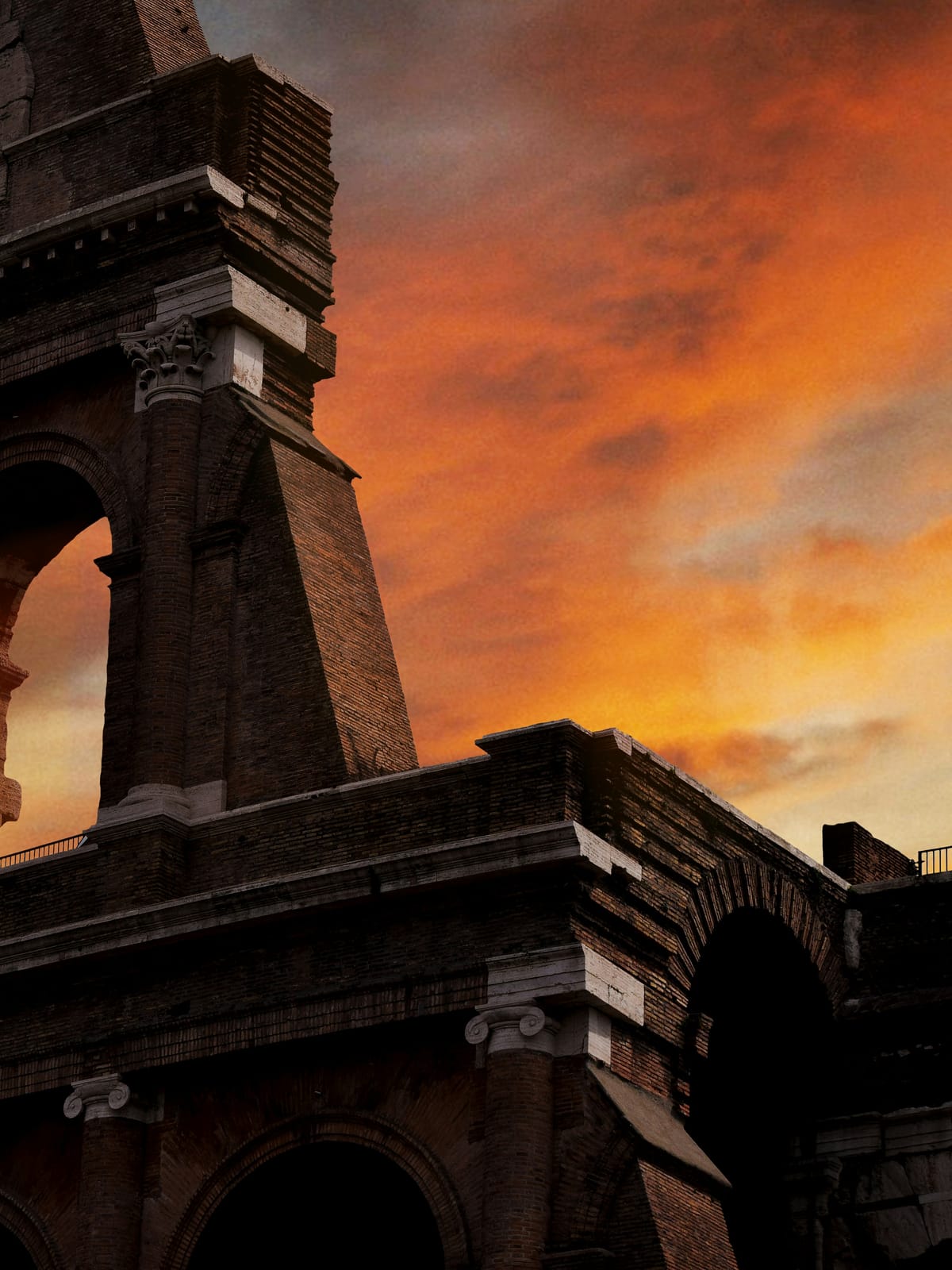
| 2 | Rome | Colosseum, Roman Forum and Palatine Hill with a guide, afternoon in Trastevere |
| 3 | Rome | Vatican Museums, Sistine Chapel and St Peter's, free evening |
| 4 | Sorrento | Transfer south (about 3 hours), afternoon in Sorrento's old town |
| 5 | Sorrento | Amalfi Coast road to Positano, Amalfi and Ravello |
| 6 | Sorrento | Capri by ferry (about 25 to 40 minutes), or Pompeii in the morning |
| 7 | Athens | Drive to Naples Airport (about 1.25 hours), fly to Athens, evening in Plaka |
| 8 | Athens | The Acropolis early, the Acropolis Museum and the ancient Agora |
| 9 | Athens | Day trip to Delphi (about 2.5 hours each way), or Cape Sounion at sunset |
| 10 | Mykonos | Fly or ferry to Mykonos, Little Venice and the windmills at sunset |
| 11 | Mykonos | Boat to Delos, one of Greece's most important archaeological sites, or a beach day |
| 12 | Santorini | Fast ferry or short flight to Santorini, first view of the caldera |
| 13 | Santorini | Oia and Fira, a wine tasting at a family estate, the caldera at sunset |
| 14 | Santorini | Transfer to Santorini Airport, or fly home via Athens |
Rome: three nights
Three nights lets you do Rome without the sprint. Day two is ancient Rome: the Colosseum, the Forum and Palatine Hill share one ticket and take a good half-day with a guide. Day three is the Vatican. Book the earliest entry to the museums, finish in the Sistine Chapel, and then walk through to St Peter's Basilica. Both need timed tickets in spring and summer, and both sell out weeks ahead.
Keep the evenings loose. The Pantheon, Piazza Navona and Trevi Fountain are all within 15 minutes of each other on foot, and Trastevere across the river has the best eating in the city.
The Amalfi Coast: three nights
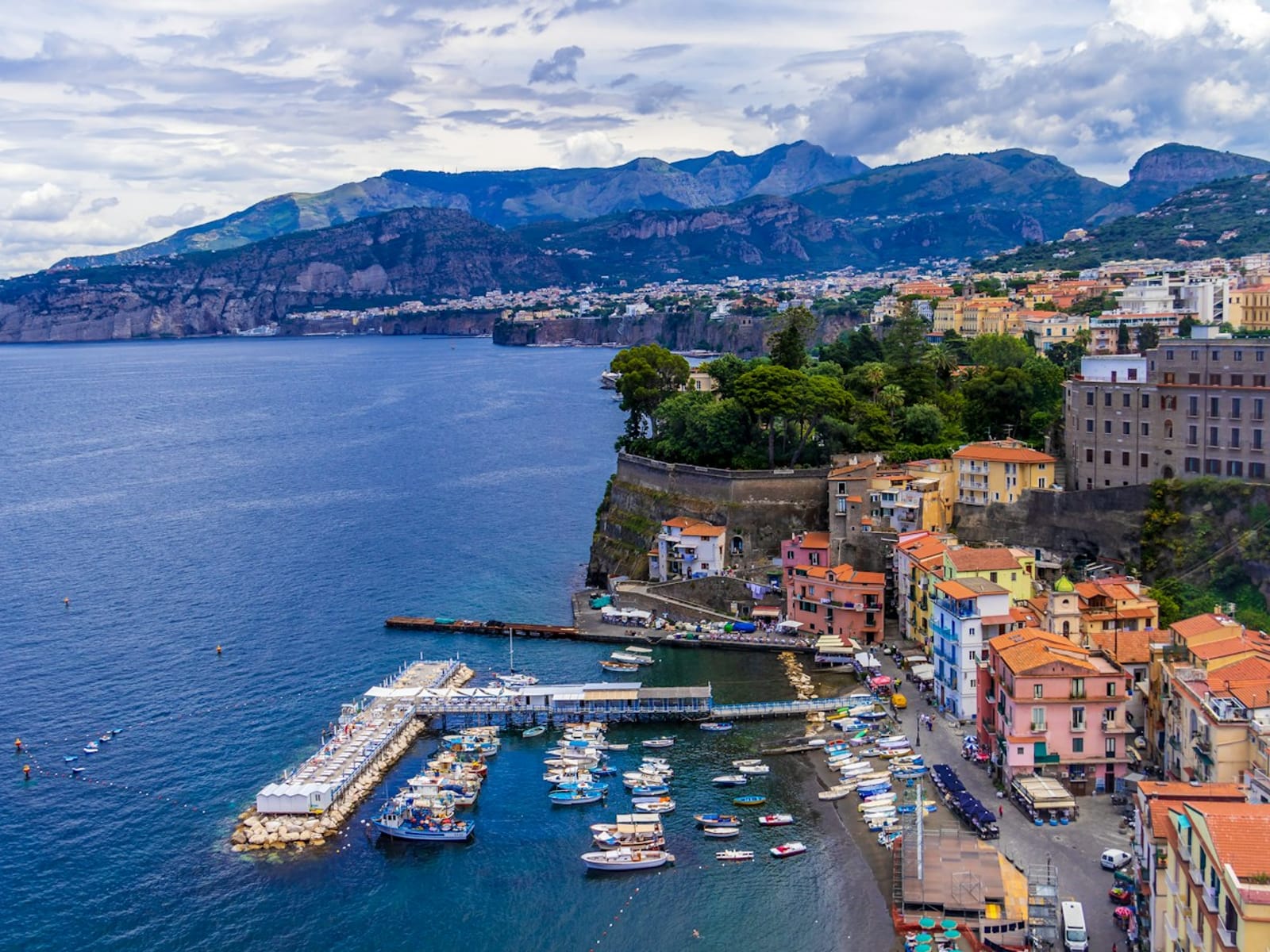
Sorrento is the best base, because it has ferries and trains, a flat town centre and the coast road within reach. From Rome, a private driver takes about 3 hours. Alternatively, the high-speed train to Naples takes about 70 minutes, followed by a transfer or the ferry.
Day five is the Amalfi Coast road, the SS163, cut into the cliffs above the Tyrrhenian Sea. Positano is the town stacked on the hillside, Amalfi has the cathedral and the paper mills, and Ravello sits 350 metres above the sea with gardens at Villa Cimbrone and Villa Rufolo. Traffic is heavy in July and August, so start early or take the ferry between towns. Day six is Capri, or Pompeii if you prefer history: Pompeii is about 30 minutes from Sorrento and needs 3 hours.
Athens: three nights
On day seven, a private driver takes you to Naples Airport (about 1.25 hours) for the flight to Athens, which takes about 2 hours. Nonstop flights run in the main season, and outside it you usually connect through Rome or another hub. Check the schedule before you book the rest, because it decides your day-seven timings.
Athens is a city of layers. Climb the Acropolis when it opens, at 8 am, to beat both the heat and the groups, and then visit the Acropolis Museum at the foot of the hill, with its glass floors over the excavations. The ancient Agora, where Socrates argued in the market, is a short walk away and much quieter. Day nine is for Delphi, a sanctuary on the slope of Mount Parnassus where ancient Greeks asked the oracle for advice. It is about 2.5 hours each way. If you do not want a long day, Cape Sounion is 70 kilometres from Athens, and the Temple of Poseidon over the sea is a good sunset trip.
Mykonos: two nights
From Athens, you can fly to Mykonos in about 40 minutes, or take a ferry from Piraeus or Rafina. Fast ferries take around 2.5 to 4.5 hours depending on the route. Flying saves time, and ferries add atmosphere. Mykonos Town is a maze of whitewashed lanes, built that way to confuse pirates, with Little Venice and the windmills for sunset.
The second day is for Delos, a short boat ride of about 30 minutes. This small island was the birthplace of Apollo in Greek myth, and it is a UNESCO World Heritage site with mosaics and a row of marble lions. Nobody lives there, and boats run in the morning. Back on Mykonos, the south coast beaches fill the afternoon.
Santorini: two nights
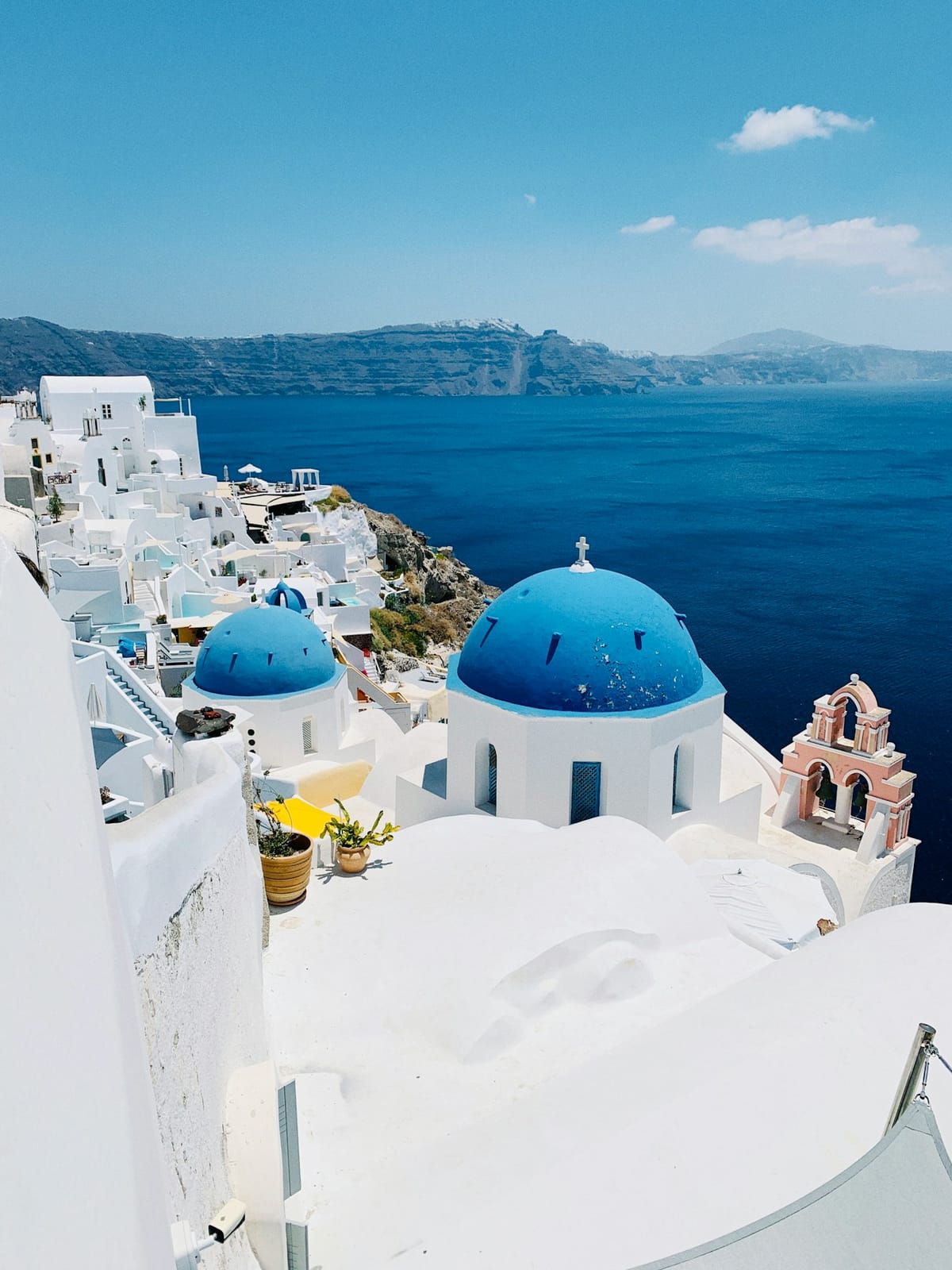
Fast ferries link Mykonos and Santorini in about 2 hours, or you can fly via Athens. Arrive by sea if the weather is calm: the island appears as the curved rim of a flooded volcano, with white villages along the top. Santorini is crowded in summer, especially around sunset in Oia, so spend the golden evening in Imerovigli or Firostefani instead, with the same view and fewer people.
Day thirteen can include a wine tasting on the volcanic soil, where the Assyrtiko grape is grown in low baskets coiled on the ground against the wind, and a visit to Akrotiri, a Bronze Age town buried by the eruption around 1600 BC. For the last day, Santorini Airport has flights to Athens, with onward connections home.
Where to stay
Rome: near the Pantheon or Piazza Navona. Sorrento: in the old town, a few minutes from the harbour. Athens: Plaka or Koukaki, both on foot to the Acropolis. Mykonos: Mykonos Town, for walking access to the harbour and the old streets. Santorini: Imerovigli or Firostefani on the caldera rim, quieter than Oia and Fira, and still near the walking path between them.
When to go
May, June, September and early October are the best months. The ferries and island hotels are running, the sea is warm in June and September, and the cities are not at their hottest. July and August are hot (Athens often tops 35°C) and busy, and the wind called the meltemi blows across the Aegean and can delay ferries. Island services are thin from November to March, and many hotels close, so a winter trip works best as Rome, Amalfi and Athens only.
Ways to change the route
Want fewer moves? Drop the Amalfi Coast and add the days to Rome and Athens. Want more beach and less history? Skip Mykonos and spend four nights on Santorini or add Naxos, which is quieter. Want Florence? Add two nights between Rome and Sorrento, and make this a 16-day trip. Our 8-day Rome and Amalfi tour and our 8-day Greek Islands tour cover the two halves on their own, if you want to compare the pieces.
How we plan it
We book the Naples to Athens flight timing, the ferries, private transfers on both sides, and guides in Rome and Athens. The island ferries are weather-dependent, so we build a backup into the schedule. A real person on our team is your contact from the first email to your flight home.
Frequently asked questions
Is 2 weeks enough for Italy and Greece?
Two weeks covers one Italian region, Rome and the Amalfi Coast, and Athens plus two islands. It is not enough to add Florence and Venice without losing island time. For both, plan 16 to 18 days.
How do you get from Italy to Greece?
By air. Naples to Athens is about 2 hours in the air, with nonstop flights in the main season and connections through Rome or another hub in the off-season. Ferries from Bari or Brindisi to Patras take much longer.
Should I start in Italy or Greece?
Italy first works better. Islands make a calm ending, and the flight from Naples to Athens fits the middle of the trip. You can also reverse it by flying into Athens and out of Rome.
How do you get between Mykonos and Santorini?
A fast ferry takes about 2 hours and runs daily from spring to autumn. Check the schedule for your date, because the wind can cancel sailings. You can also fly via Athens.
What is the best month for an Italy and Greece itinerary?
June and September. The sea is warm, the ferries run daily, and it is cooler than July and August.
 Quick cookie chat