
The route at a glance
Fourteen days is the length where Italy stops feeling rushed and starts feeling like arrival. You begin in Venice, floating in the lagoon. Then south to Florence and the Renaissance. One or two nights in the Tuscan countryside. South again to Rome and four full days to move through twenty centuries without hurrying. And finally, the Amalfi Coast — villages stacked on clifftops, water so blue it seems designed, and the sense that you've reached the edge of something. This is our most complete Italy itinerary, and the one that most closely matches how Italy is meant to be experienced: at the pace of conversation, with time for wandering and serendipity.
Day-by-day breakdown
| Day | Base | What you do |
|---|---|---|
| 1 | Venice | Arrive at Venice Marco Polo. Private water taxi to your hotel. Afternoon at leisure: cross the Rialto Bridge, find a bacaro for cicchetti and Prosecco, or watch the Grand Canal from your room. |
| 2 | Venice | Art historian guide for St. Mark's Basilica (Byzantine mosaics and accumulated treasure), Doge's Palace (a thousand years of republic), Bridge of Sighs. Afternoon: Dorsoduro and the Scuola Grande di San Rocco. |
| 3 | Venice | Full day entirely yours. Gondola ride at dusk, island-hopping to Murano and Burano, or Cannaregio's back alleys where the city still breathes. Evening in a neighbourhood you've claimed as yours. |
| 4 | Florence | High-speed train Venice to Florence (2 hours). Settle into your hotel. Afternoon in the Oltrarno or a walk across Ponte Vecchio. First impressions of Florence happen at leisure. |
| 5 | Florence | Art historian guide for the Uffizi Gallery (Botticelli, Leonardo, Raphael, Caravaggio) and the Accademia (Michelangelo's David). Afternoon free for the Duomo, the Baptistery, or simply wandering. |
| 6 | Tuscan Countryside | Private driver through Chianti to San Gimignano's fourteen surviving medieval towers, then Siena's Piazza del Campo and the Duomo with its marble-inlaid floor. Private wine tasting at a Chianti estate. Optional overnight in countryside or return to Florence. |
| 7 | Florence or Countryside | If based in the countryside: morning walk in a Tuscan village, lunch with a view, afternoon exploring the Val d'Orcia (golden hills, cypress roads, light that changes every minute). If Florence: Boboli Gardens, the Brancacci Chapel, or a cooking class. |
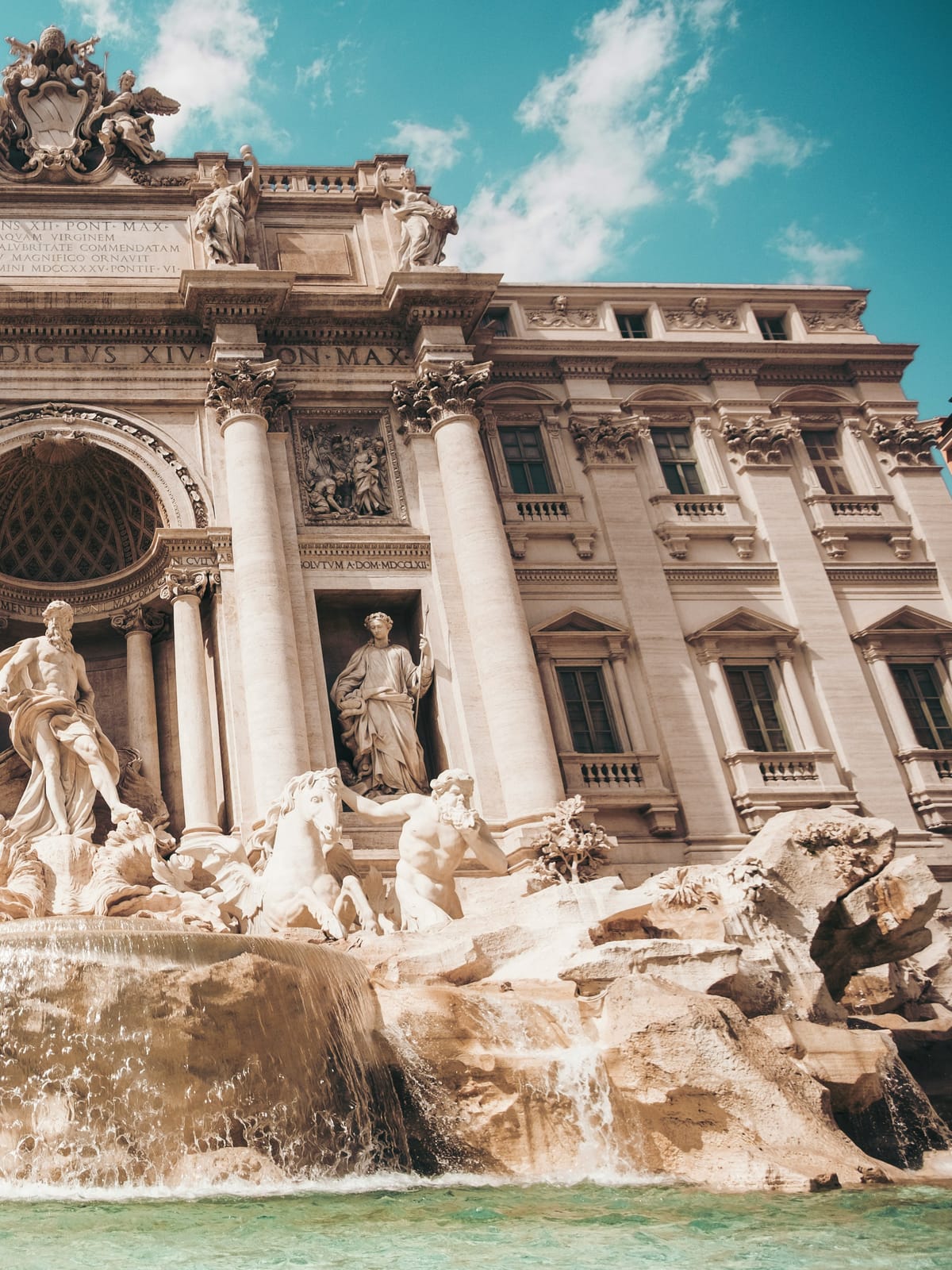
| 8 | Rome | High-speed train Florence to Rome (90 minutes). Settle in. Afternoon: Pantheon, Trevi Fountain, Piazza Navona. The Trastevere neighbourhood for evening. |
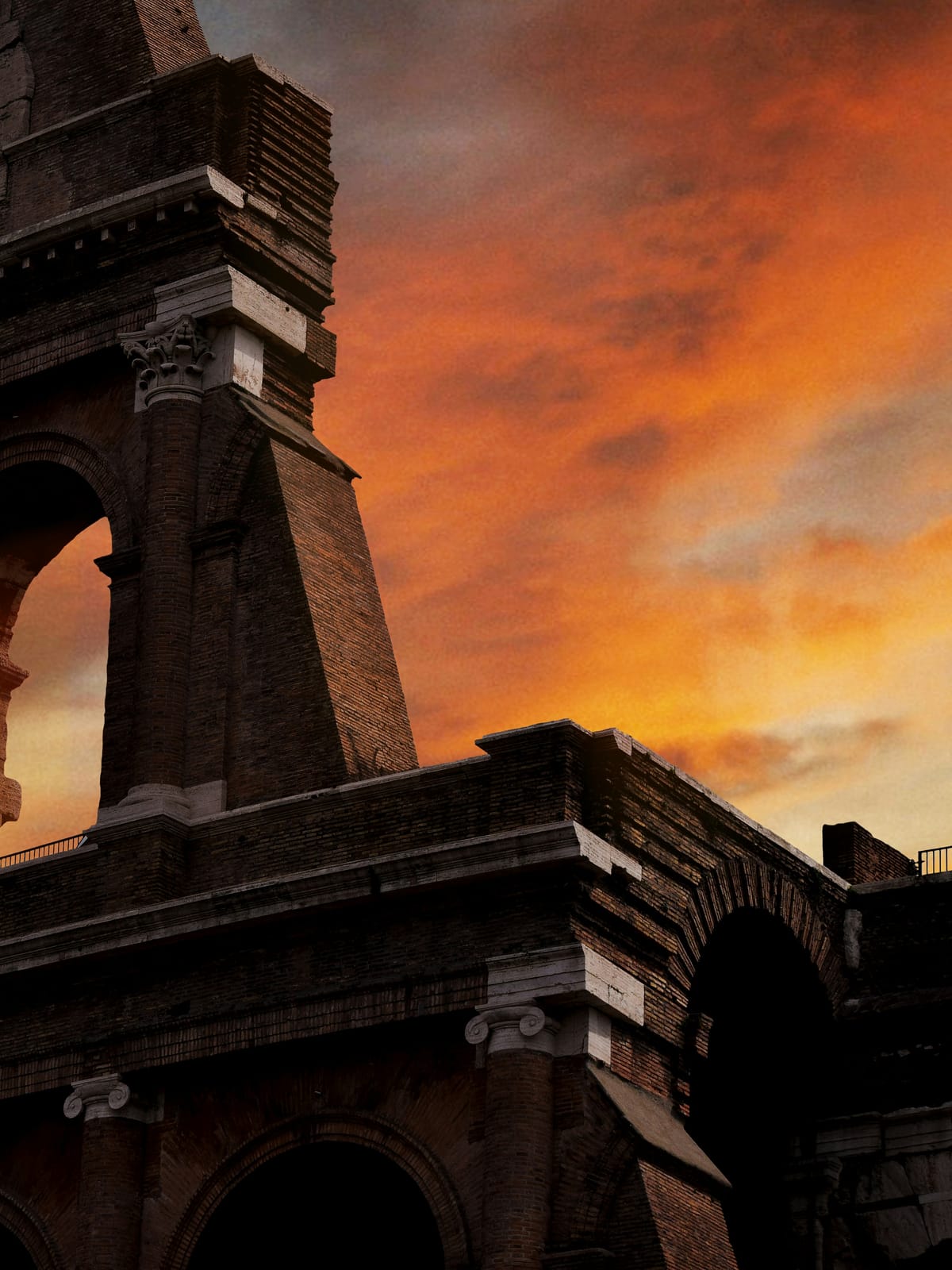
| 9 | Rome | Archaeologist guide for the Roman Forum, Palatine Hill, and Colosseum (with skip-the-line access and underground hypogeum). Afternoon free for the Borghese Gallery, the Capitoline Museums, or rest. |
| 10 | Rome | Art historian guide for the Vatican Museums, Raphael Rooms, Sistine Chapel (Michelangelo overhead), and St. Peter's Basilica. Private passage direct into St. Peter's from the Vatican. Afternoon entirely free. |
| 11 | Rome | Free morning and afternoon in Rome. Return to a favourite museum, spend hours in the Monti neighbourhood, walk the Aventine Hill, or book a cooking class. One last dinner in a corner trattoria. |
| 12 | Amalfi Coast | Private driver south toward the coast (3 hours through the Campanian countryside). Arrive in Sorrento or Positano by early afternoon. Check in above the Bay of Naples. Settle in: lemon groves, clifftop lanes, the sea changing colour at dusk. |
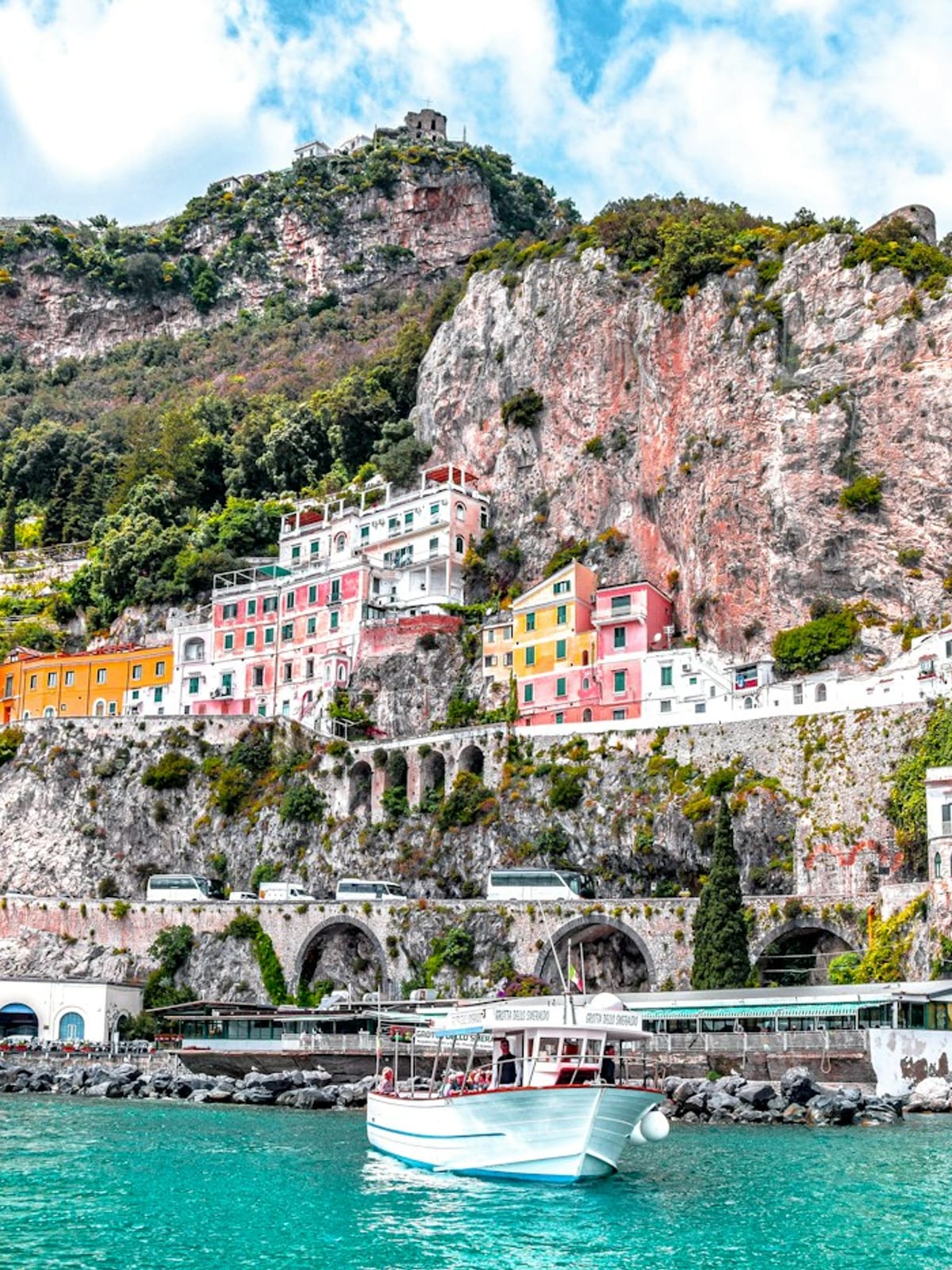
| 13 | Amalfi Coast | The SS163 Amalfitana — one of the world's great drives, taken slowly. Positano's pastel cascade down a ravine, Amalfi town and its maritime republic cathedral, Ravello's infinity terrace at Villa Cimbrone. Return to Sorrento at sunset over the bay. |
| 14 | Amalfi Coast | Final morning above the Bay of Naples. Walk Sorrento's lemon-scented lanes, a last limoncello at the bar by the harbour, or optional Capri ferry for the Blue Grotto. Afternoon departure or one final evening. |
Venice — the beginning
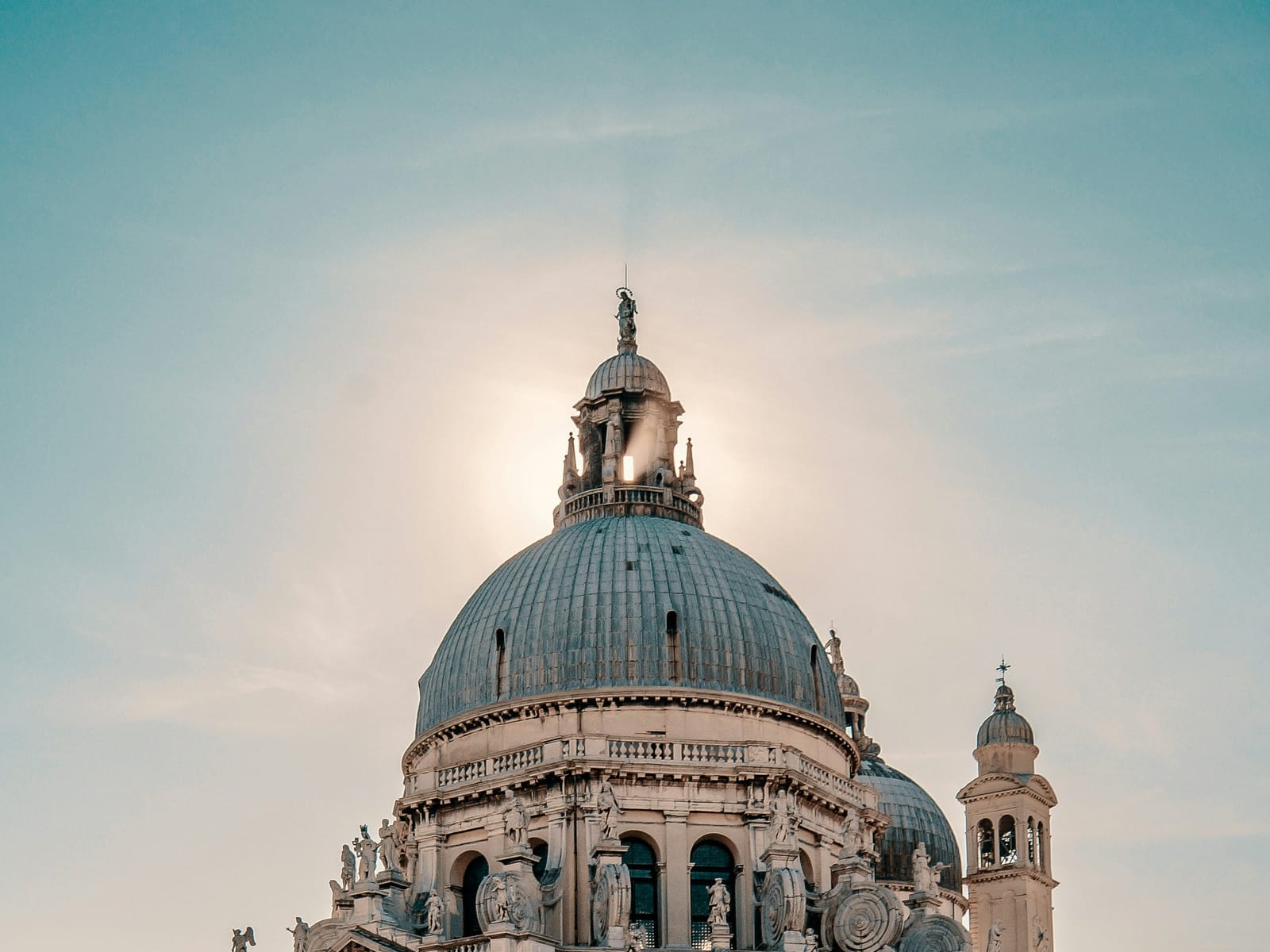
Three days in Venice is the right amount for first-timers: one day to arrive and settle, one day with a guide for the essential sights, and one full day entirely yours. The water taxi arrival is the correct way to enter a city — coming up the lagoon, through the back channels first where the ordinary life of Venice still happens (delivery boats, a cat on a step), then into the Grand Canal where the palazzi rise from the water and everything makes sense in an instant. Your guided day takes you through St. Mark's Basilica (where each mosaic panel represents centuries of accumulated conquest and plunder), the Doge's Palace (the machinery of a republic that governed the Mediterranean for a thousand years), and then into the parts of Venice that tour groups bypass: Dorsoduro's Zattere promenade, the Scuola Grande di San Rocco with its ceiling cycle of Tintorettos, the back neighbourhoods where locals still live. Your free day is for wandering at the pace that suits you — a gondola at dusk, the Rialto market at dawn, island-hopping to the glassblowers of Murano and the painted fishing houses of Burano, or simply the pleasure of being lost in a city where every corner opens onto water or a hidden campo.
Florence and Tuscany — the heart
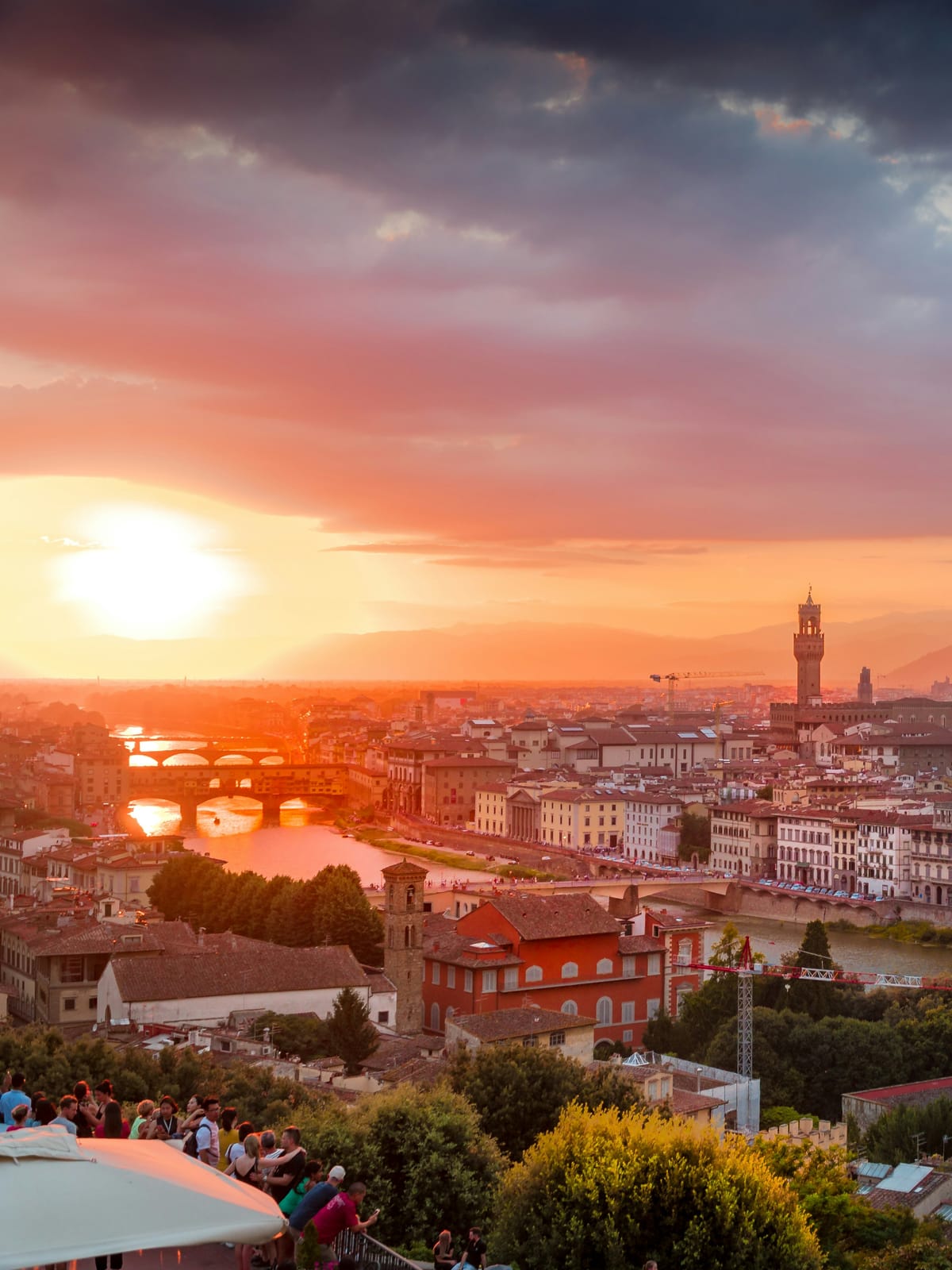
Two days in Florence, then a detour into the countryside before heading south. The first Florence day covers the essential Renaissance: the Uffizi Gallery or the Accademia (skip one to slow down), the Baptistery and the Duomo complex with Brunelleschi's dome that solved the structural problem that had defeated architects for a century. Your second day is free — the Boboli Gardens, the leather workshops of Oltrarno, the Brancacci Chapel frescoes, or simply lingering over coffee in a piazza you've come to love. The Tuscany day is the one people talk about most when they return home. Your private driver takes you through Chianti's cypress-lined roads to San Gimignano, where fourteen of the original towers still stand above a hilltop town whose walls and streets remain largely unchanged since Dante passed through. Siena is the afternoon: the Piazza del Campo, one of the most perfectly proportioned medieval squares in Europe, the Duomo with its marble floor inlaid like a painting, the narrow contrade neighbourhoods that still compete in the biannual Palio horse race. A private wine tasting at a Chianti estate caps the afternoon. If you choose an overnight in the countryside — the Val d'Orcia, the Chianti hills, a farmhouse in Tuscany — the following morning's light is something you'll remember long after you've left Italy. Either way, the countryside is the palate cleanser between Florence and Rome, the moment where you stop thinking about what you should see and just see what's in front of you.
Rome — unhurried, complete
Four full days and nights in Rome is where the city stops being a checklist and becomes a place where you're actually present. You move through ancient Rome (the Forum, the Colosseum, Palatine Hill), baroque Rome (Piazza Navona, the Spanish Steps, the Trevi Fountain), and Vatican Rome (the Museums, the Sistine Chapel, St. Peter's) with private specialists who fill in the layers. Your guides are archaeologists and art historians who do more than point out highlights — they make two thousand years of history feel immediate. On your free days, you return to favourite places, discover neighbourhoods, and eat long meals. Rome is large and multilayered enough that every traveller finds different parts that matter most: the light over the Forum at dawn, a corner trattoria in Testaccio, an hour in the Borghese Gallery where there's no crowd, a walk through the Monti neighbourhood where the streets are barely wider than a person.
Amalfi Coast — the conclusion
The drive south from Rome takes three hours through the Campanian countryside, and the landscape changes as you approach the coast — volcanic, steeper, the light softer. Sorrento or Positano sit on clifftops above the Bay of Naples with Vesuvius smoking distantly on the horizon. Your second day on the coast is the drive along the SS163 Amalfitana, one of the world's great roads, taken slowly. Positano first: pastel-coloured buildings spilling down a ravine to a pebble beach, streets so steep that donkeys are the practical alternative to stairs. Amalfi itself was a maritime republic whose nautical tables set the standard for Mediterranean navigation — its cathedral rises above the main square, part Romanesque, part Arab-Norman. Ravello is the final stop: a hilltop village above the coast whose Villa Cimbrone gardens offer the famous 'infinity terrace,' where the view of the cliffs and the sea disappears into sky and an afternoon can vanish in contemplation. Your final morning on the coast is unhurried — one last walk through lemon groves, a last limoncello at the street bar, the Bay of Naples going through its colours as the light changes. The coastal drive, the villages, the sense of reaching the edge of something — this is why people return to Italy year after year.
Ways to adjust a 14-day trip
Slower throughout: add an extra night to Venice, Florence, Rome, or the coast. Thirteen days at this pace is genuinely better than twelve; fourteen is ideal; longer is better still if you have the time.
Skip the Tuscan countryside and stay in Florence all four nights: use the extra days for museums you want to revisit, a cooking class, or day trips to Lucca, Pisa, or Chianti.
Replace the Amalfi Coast with Sicily: take the flight from Rome to Palermo instead of driving south. Six days in Sicily instead of the coast is a completely different (and equally compelling) trip. Our South of Italy itinerary includes Puglia and Matera, if you want south-of-Rome exploration without the coast.
Add a fifth day in Rome and cut a day from the coast: Rome is the kind of city that benefits from extra time, and the Amalfi drive can feel rushed in two days.
Winter version: December to March, the coastal hotels can be cooler and fewer are open, but the art cities are peaceful and the light is extraordinary. We'll advise on seasonal hotel closures and adjust accordingly.
How we plan it
A two-week Italy trip requires attention to pacing and coordination — the trains, the guides, the hotels, the museum bookings, the transfers. We plan it with people who have walked these cities, stayed in these hotels, and know which restaurants exist for locals and which for tourists. They build the itinerary with you, book everything, buy the train tickets, arrange the private drivers and the expert guides, and handle every transfer. A real human replies within one working day and stays available throughout your trip. After you return, they'll want to know which city surprised you most.
Frequently asked questions
Is 14 days too much time for Italy, or not enough?
Fourteen days is perfect for a first deep experience. You can linger in each city, you're not rushing between destinations, and you see Italy at the pace it deserves. Longer is better if you can, but two weeks captures the essential experience without feeling either packed or slow.
Should I stay in the countryside near Florence, or keep a base in Florence?
Either works. A night in a countryside hotel (Val d'Orcia, Chianti, or near Siena) is memorable and changes the rhythm. Alternatively, staying in Florence all four nights lets you explore more thoroughly and adjust based on weather or mood. We'll advise based on your preferences.
Do I have to do the Amalfi Coast drive, or could I fly to Capri instead?
The SS163 Amalfitana is one of the world's great scenic drives, taken slowly with stops. If it doesn't appeal (or if you have motion sensitivity), you could skip it and extend Rome to five days, or arrange a boat excursion along the coast instead of the drive. The drive is not essential, just spectacular.
What if I want to add Sicily or Puglia?
Sicily and Puglia are better as their own trips — they're a long distance from the north. If you want south-of-Rome experiences, our South of Italy itinerary covers Puglia, Matera, and the Amalfi Coast in nine days, an alternative to this route.
When is the best season for a 14-day Italy trip?
April–June and September–October are ideal — warm, settled weather everywhere, and the crowds are manageable. July–August is hot in Rome and Florence (often 35°C+) but the coast is at its best for swimming. Winter (December–March) is quiet and beautiful, with shorter days and some coastal closures.
How much walking is involved?
Venice and Rome involve 3–5 hours of walking daily on cobblestones and ancient paving. Florence is mostly flat. The Tuscany day is largely by private vehicle with walking in the towns. The Amalfi drive involves some walking but at a leisurely pace. Comfortable, well-broken-in walking shoes are essential throughout.
 Quick cookie chat