
The short answer
Visit Italy for the first time and you need Rome, Florence, and Venice — the three cities that invented the modern world. Seven days is enough to experience each meaningfully. Rome gives you two thousand years of history walking distance from your hotel. Florence is the Renaissance in one piazza-sized city. Venice is simply nowhere else. After these three, or instead of them, go to Tuscany for the countryside, the Amalfi Coast for the sea, or Sicily for the sense that you have left Europe entirely.
The flip side: Italy rewards slowness. Don't try to do all of it. Pick a region or two, give each city at least two nights, and spend the rest of your time simply sitting. The best meals in Italy are not reserved weeks ahead; they appear when you turn the corner at the right moment.
Why Italy, and what you'll find
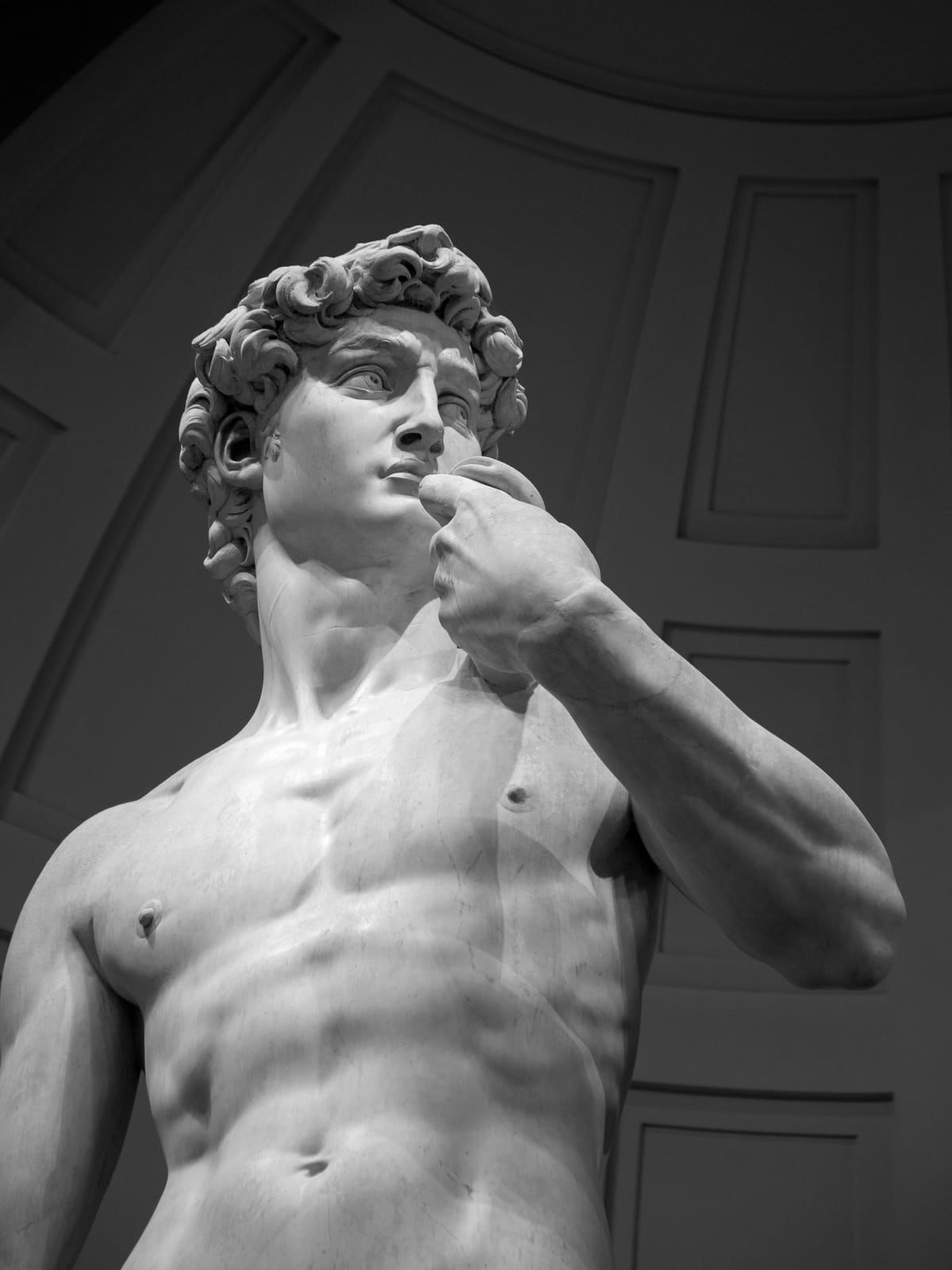
Italy is where Western art, architecture, food, and philosophy begin. Rome is the origin: the Colosseum, the Forum, the Pantheon, St. Peter's. Venice was a maritime empire that imported Byzantine gold mosaics and turned them into St. Mark's. Florence was where the Medici family lit the match on the Renaissance and Michelangelo, Leonardo, and Botticelli all worked in the same century in the same city.
But Italy is also the country of the long lunch, the evening passeggiata (the walk where neighbors greet neighbors), and the way a plate of cacio e pepe tastes different in a Roman alley than anywhere else. You go to Italy for the Uffizi Gallery, but you come home talking about the gelato, the espresso, the people at the next table.
The three cities — Rome, Florence, Venice
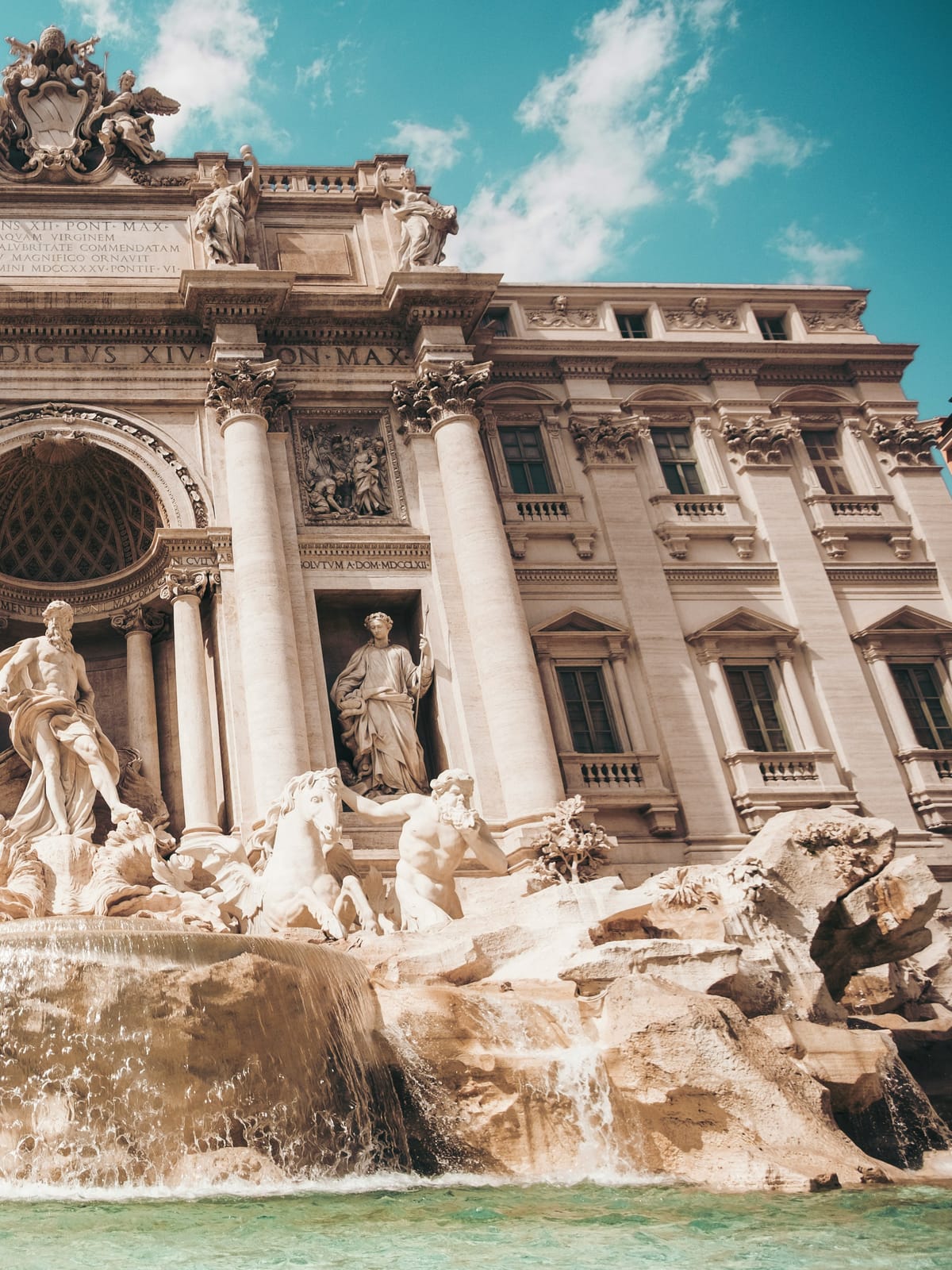
Rome is hot, crowded, and essential. Two days gives you the Colosseum, the Roman Forum, the Pantheon, and Trastevere at dusk. Wander the centro storico (historic centre) on foot — every corner is a fountain or a church or a piazza. Breakfast is espresso and a cornetto at a bar counter. Lunch is wherever the smell draws you. The city rewards the unplanned walk more than the planned tour.
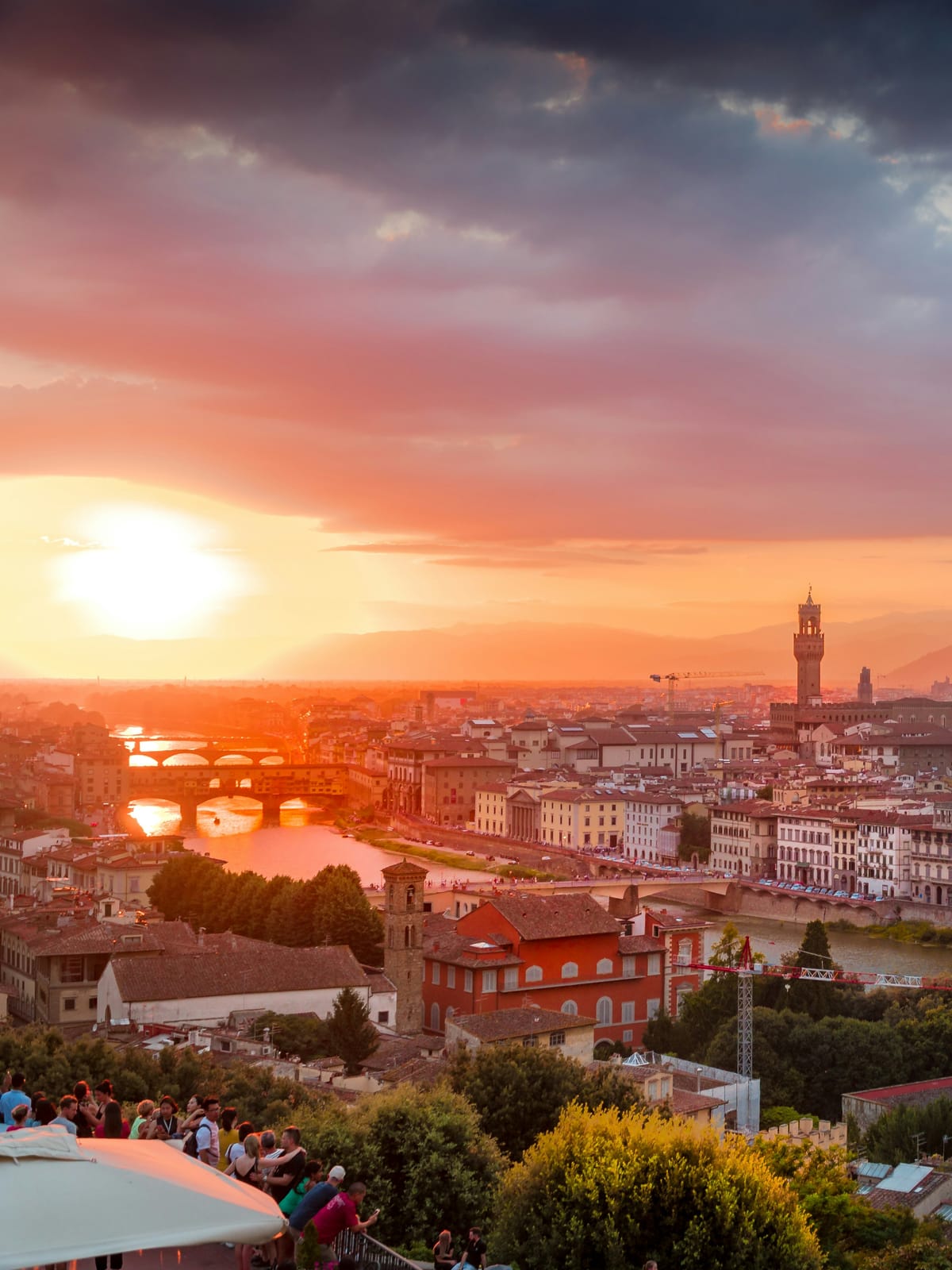
Florence is Florence. The Uffizi Gallery holds one of the most concentrated collections of Renaissance painting on earth. The Duomo is so large and so detailed that you can spend an hour on its exterior alone. Ponte Vecchio is crowded and worth it at golden hour. The leather workshops of the Oltrarno neighbourhood are still family-run. Piazza Santo Spirito in the evening is the whole city in one square.
Venice is water and architecture and the complete absence of cars. St. Mark's Basilica is Byzantine gold mosaics. The Doge's Palace is the seat of a maritime republic. But Venice is also the back canals, the cicchetti bars (standing room, tiny plates), and the fact that you can walk a different street every day and feel lost in the most beautiful way.
Beyond the three: regions worth visiting
Tuscany is green hills, Chianti vineyards, and towns like Siena and San Gimignano that stop time. A day trip from Florence, or three days based in a farmhouse. Umbria is slightly quieter, slightly cheaper, and still glorious — Perugia, Assisi, Orvieto.
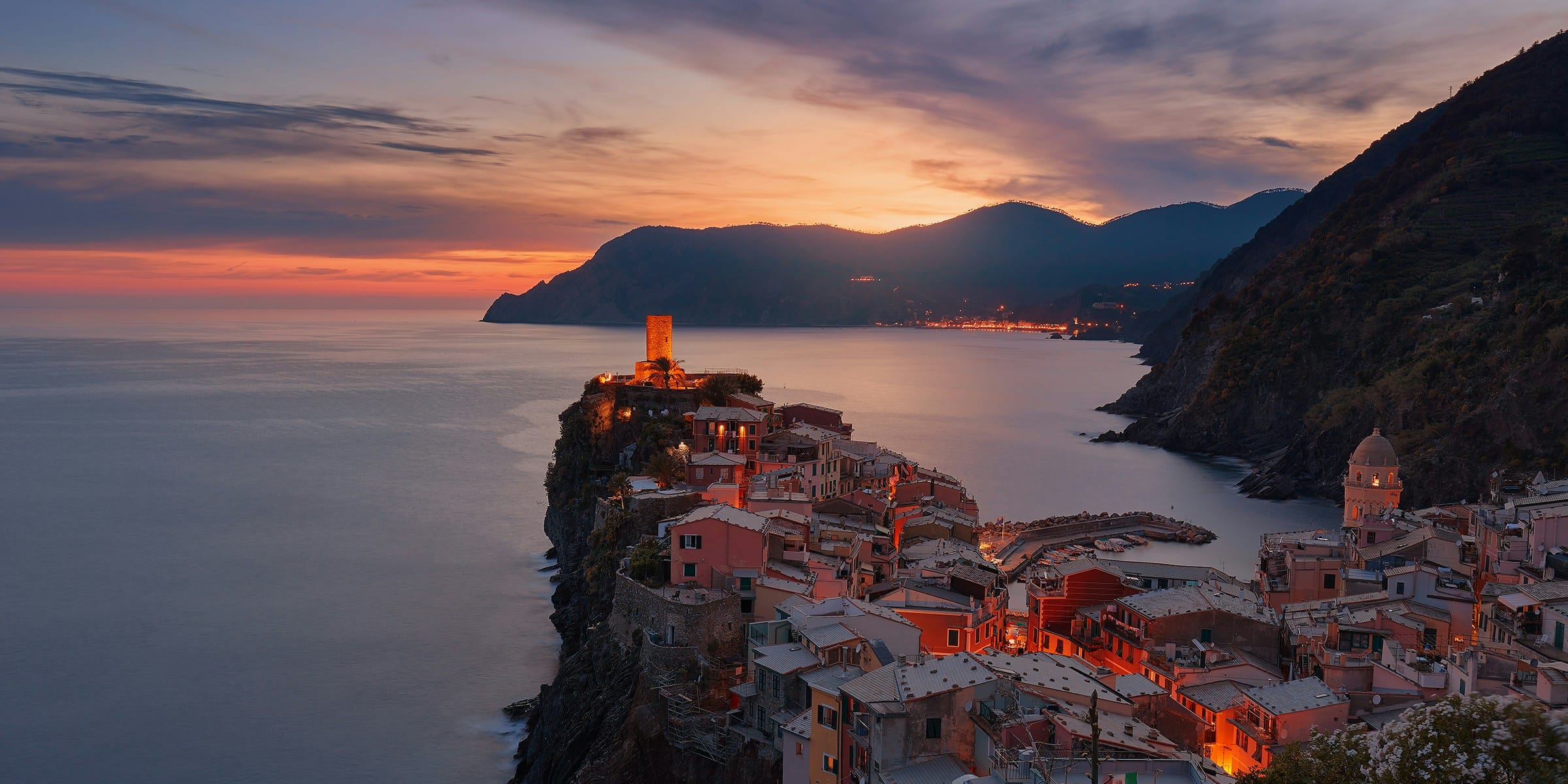
The Amalfi Coast is a cliff-side drive south of Rome, with pastel villages stacked on the rocks. Positano and Ravello are expensive and beautiful. Salerno is cheaper and real. You come for the scenery and you stay for the limoncello and the pasta with sea urchin.
Sicily is a destination in its own right. Palermo is a port city with Baroque churches and street food that rivals anywhere in the world. Taormina sits on a volcanic slope with views of Mount Etna. The Valley of the Temples in Agrigento is Greek antiquity in an Italian landscape. Syracuse's Ortygia island is a medieval town that has made no apologies for its chaos and charm.
How many days in Italy — with a quick reference
| Duration | Route | What you can do |
|---|---|---|
| 5 days | One city | Rome or Florence deeply, or Venice + a day trip |
| 7 days | Rome, Florence, Venice | Two nights in each city; the essential itinerary for first-timers |
| 10 days | Rome, Florence, Tuscany, Venice | Add Tuscany, or take 3 nights in each major city |
| 14 days | Rome, Florence, Tuscany, Amalfi, Venice | The full picture; Rome to Venice with the coast in between |
| 8–10 days | Sicily focus | Palermo, Taormina, Syracuse, the Valley of the Temples |
Getting around — trains, drivers, and ferries
Italy has Europe's best high-speed trains. Rome to Florence takes ninety minutes. Florence to Venice takes two hours. Trains are fast, reliable, and leave you in the city centre. Buy tickets in advance for better fares, or book a private driver if you want to stop in the countryside — the drive from Florence to Rome via the Chianti hills is worth an extra day.
In Venice, there are no cars. Water taxis and water buses move you around. In Sicily, a private driver is essential because trains are slower and less reliable than the rest of Italy. Rome and Florence are walkable. Venice is entirely walkable — the lagoon is only four miles across at its widest.
Flights: Rome Fiumicino and Milan Malpensa are the main entry points from North America. Venice requires a water taxi from the airport or a private transfer. If you fly into Rome and out of Venice, you save backtracking.
First-timer mistakes — and how to avoid them
Don't spend six days doing Rome, Florence, Venice, Milan, and the Lakes. You'll see a lot and remember nothing. Pick two or three places and stay two nights minimum in each.
Don't eat dinner in the restaurants facing the major piazzas. Walk ten minutes away. Every town has a trattoria tucked into a side street where the people at the next table are local. That's where you eat.
Don't visit Rome in August if you can help it. July and August are peak heat (35°C / 95°F+) and peak crowds. April to June and September to October are the sweet spot. December to March is cold in the north but quiet and beautiful in the cities.
Don't buy a museum pass unless you're planning to visit six or more sites in one city. Skip-the-line access matters more than the discount; a private guide solves that. Don't get nervous about pickpockets in Rome and Florence — they exist, but the risk is low if you keep a crossbody bag and don't leave your phone on the table.
Practical notes — money, language, transport
Money: Italy uses the euro. ATMs are everywhere. Credit cards work in cities; cash is better in small towns and trattorias. The same meal costs half as much in a neighbourhood place as in the piazza. Plan 40–60 euros for lunch, 60–100 for dinner, unless you're at a very nice restaurant.
Language: English is spoken by hotel staff and restaurant hosts in the main cities. Outside the big three, it becomes thinner. A translation app helps. Learning "ciao," "per favore," "grazie," and "un caffe, per favore" gets you a long way.
Tipping: Service is included. Rounding up a euro or two is appreciated but not expected. In bars, you might leave coins on the counter; at restaurants, a 5-10% tip for good service is fine but optional.
Entry: US and Canadian passport holders can visit Italy for up to 90 days within a 180-day period without a visa. Check your passport expiration — it must be valid for the duration of your stay. Travel insurance is essential and widely available.
How we plan your Italy trip
Every Black Deer Travel trip to Italy is private and shaped around you — your dates, your pace, your budget, the regions that pull at you. We know the hotels, the guides, and the restaurants that are hard to find on your own. We'll suggest a route, adjust it when you tell them what matters most, and then arrange the trains, the drivers, the skip-the-line tickets, and the local guides. No group departures, no set itineraries beyond your input. A real person replies within one working day.
Frequently asked questions
Is 7 days enough for a first trip to Italy?
Seven days is the right length for a first trip — enough to visit Rome, Florence, and Venice without feeling rushed, with two nights in each city. You'll come home wanting to return, which is the correct response to Italy.
How much does a trip to Italy cost?
That depends entirely on your preferences. Budget 40–60 euros for lunch, 60–100 for dinner, and hotels range from 80 euros for a good 3-star option to 250+ for 5-star properties. Flights from North America are typically 600–1000 euros. We'll quote exact pricing after you share your dates and preferences.
Is Italy expensive?
Italy is cheaper than many assume. You can eat well for 20–30 euros in a local trattoria, and many museums cost 10–15 euros. The Colosseum and skip-the-line tickets cost extra, but accommodation and food remain reasonable if you eat where locals eat.
What's the best time to visit Italy?
April to June and September to October are ideal — warm weather, fewer crowds than peak summer, and pleasant conditions everywhere. July and August are hot in Rome and Florence but ideal for the coast. Winter is quiet and beautiful in the cities, though some coastal hotels close.
How many days do I need in each city?
Rome deserves two to three days, Florence two days, Venice two days. That's seven to nine days for the classic trio. If you skip one, add a night to the others or use it for Tuscany or the Amalfi Coast.
Do I need to speak Italian?
No. English is spoken in hotels and restaurants in the main cities. In smaller towns, a translation app or a private local guide bridges the gap. A few words — ciao, grazie, per favore — are appreciated everywhere.
 Quick cookie chat