
The short answer
Visit Spain for its contradictions — ultramodern Barcelona alongside medieval Toledo, grand palaces and intimate tapas bars, centuries of Islamic and Christian architecture, and a culture that still understands how to live well. You'll find it operates at a pace foreign to much of Europe, where afternoons are for resting or eating, where dinner begins at nine, where a plaza matters more than a highway.
A first trip of seven to ten days works best, covering one or two of the major cities — Barcelona or Madrid, plus Seville or the south. Longer visits let you add the smaller towns, the coast, or the wine regions. And unlike Italy or France, Spain doesn't feel crowded in the shoulder seasons, especially if you avoid August when even the Spanish leave.
The major cities: what each offers
Barcelona is Gaudí and modernisme — the Sagrada Familia still under construction after 140 years, Park Güell's mosaicked plazas, the Gothic Quarter's medieval lanes. It's also beaches, design hotels, and a city that hums with its own energy separate from the rest of Spain. You'll need three to four days here.
Madrid is the capital in every sense — the Prado and its Velázquez, the Royal Palace's three thousand rooms, the Retiro Park where locals row boats on the lake, and late-night tapas crawls in La Latina. It sits on a high plateau where the light is sharp and the summers are fierce. Two to three days work well; some travelers spend a week without running out of things to see.
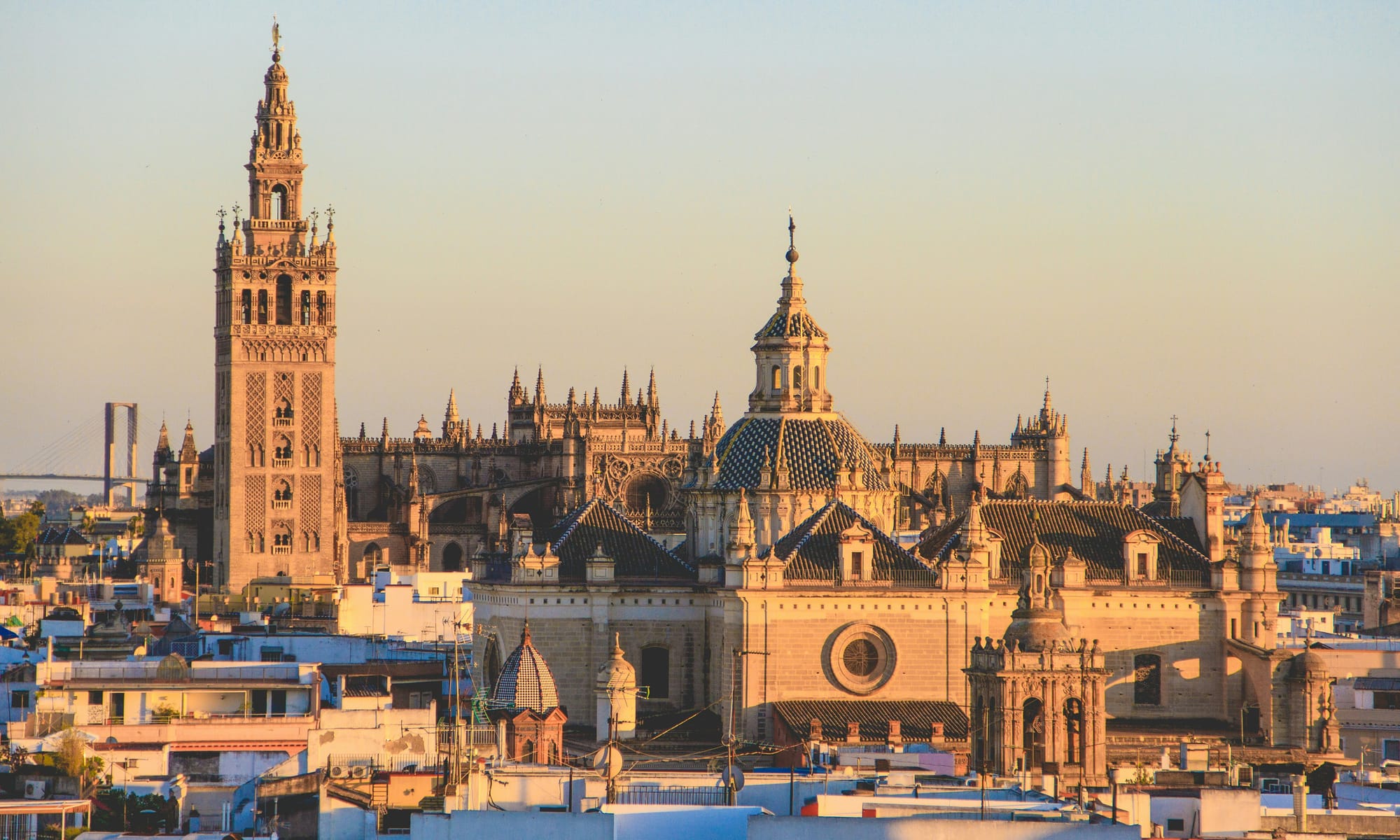
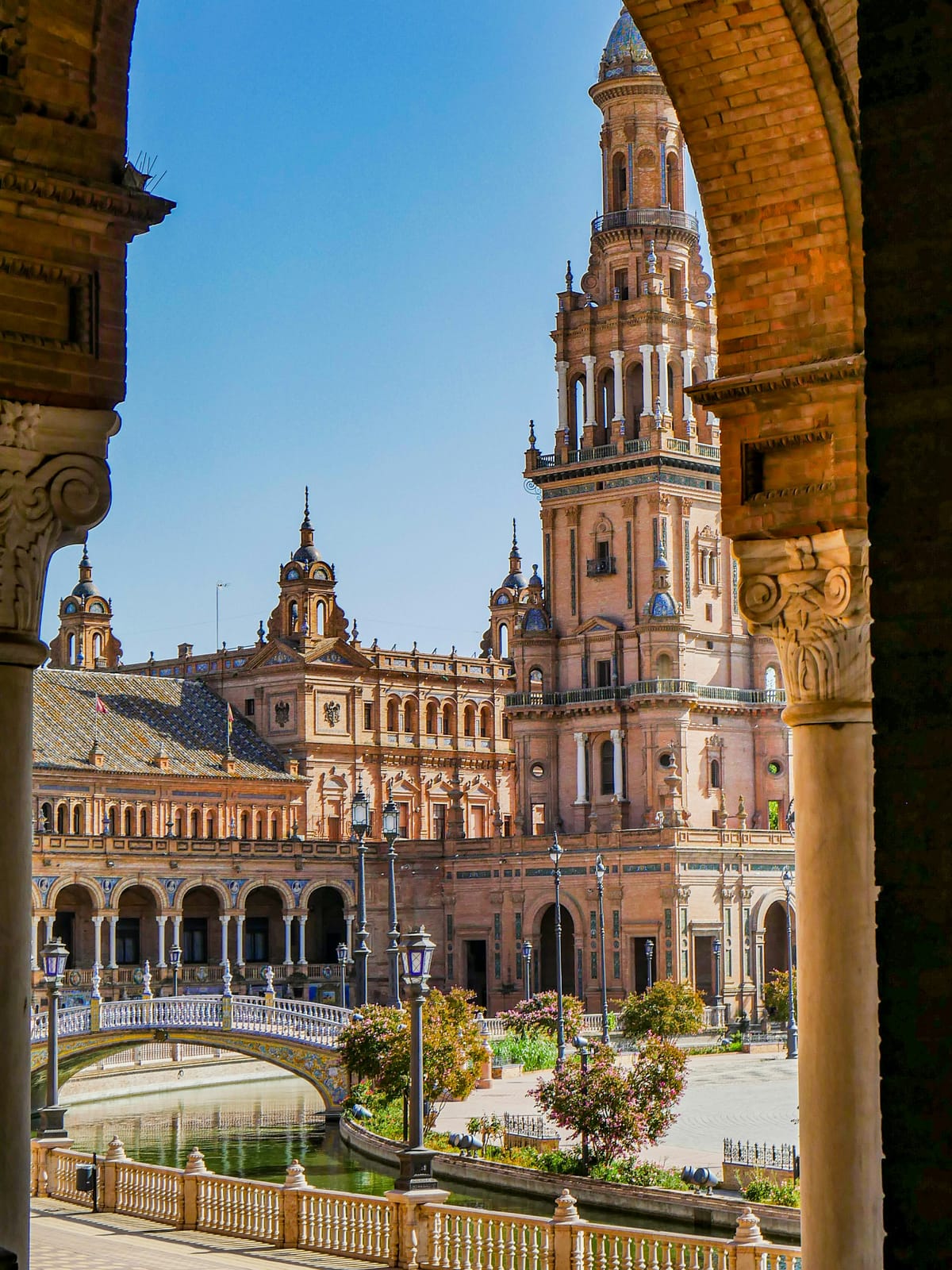
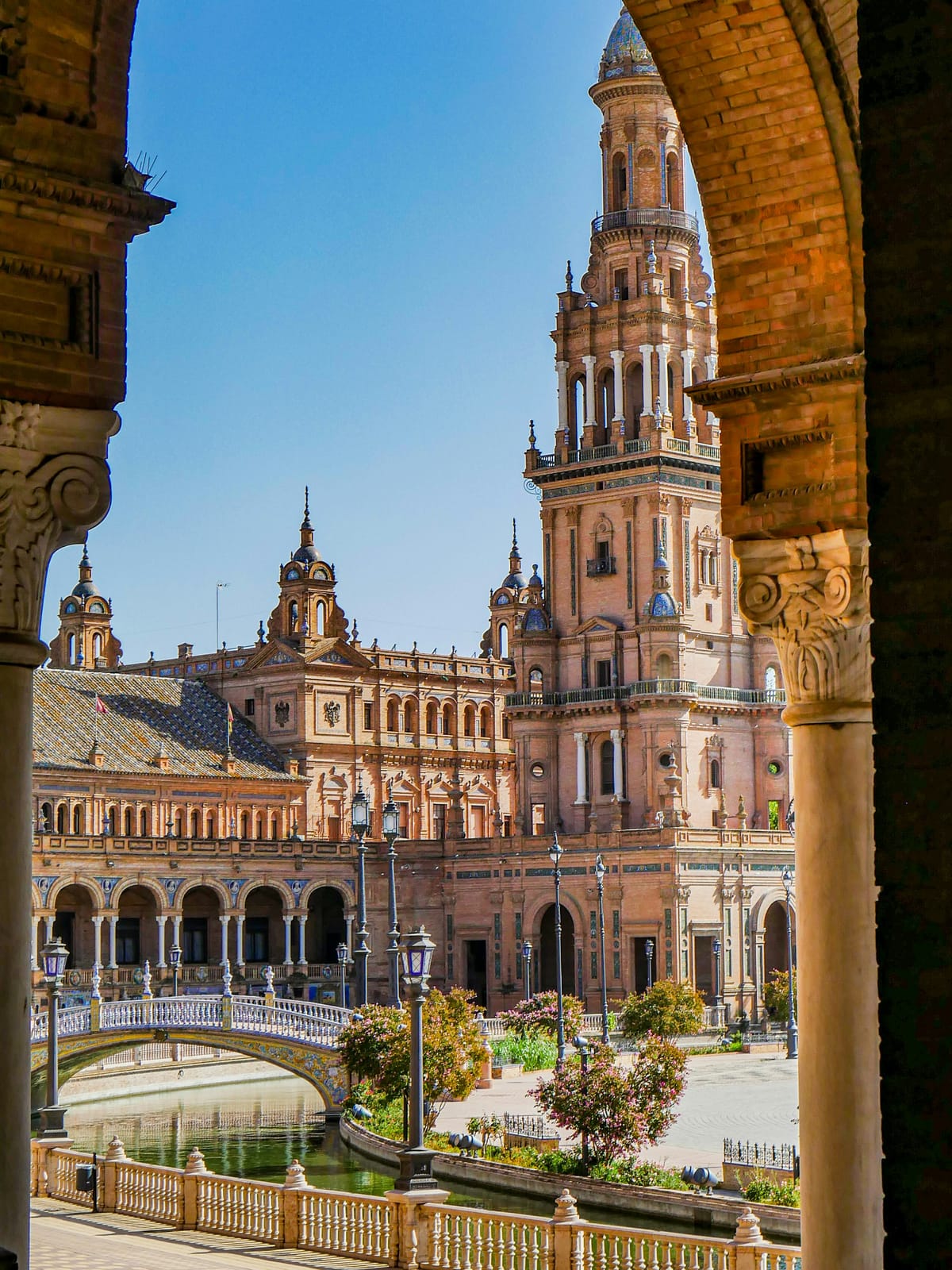
Seville is Andalucía's soul — flamenco in a tablao where the duende is real, the Real Alcázar's tilework and whispering courtyards, the cathedral where Columbus lies, the Giralda Tower's ramp spiraling toward rooftop views. The city moves slower here, the heat lands differently, and you understand why people move here and never leave. Two to three days is enough; a week is better.
Beyond the capitals: regions worth your time
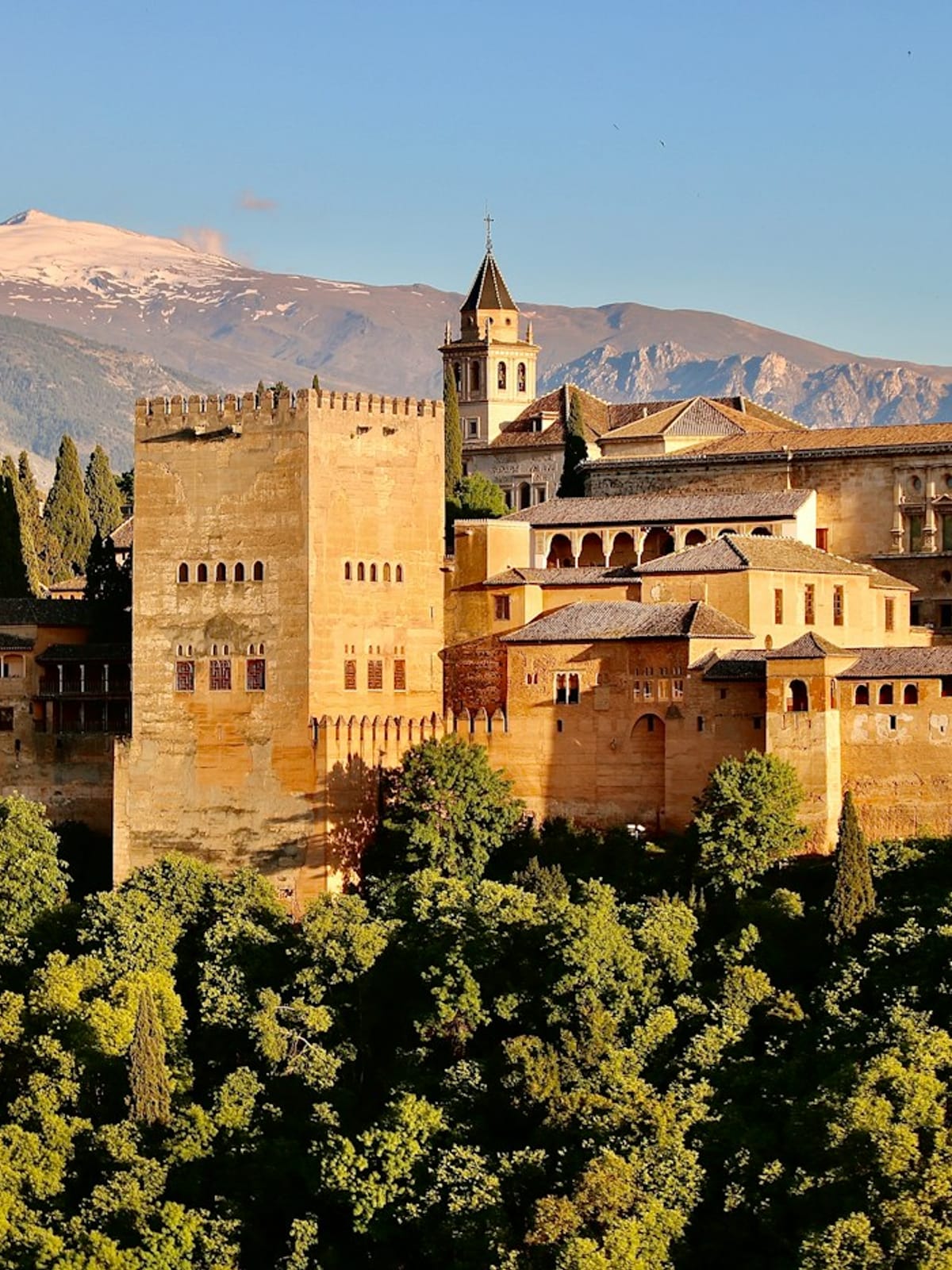
Granada and the Alhambra. The palace is the obvious draw — Islamic architecture and gardens that make you understand the engineering and the aesthetics of Islamic Spain. But wander the Albaycín quarter's tangled streets after sunset, and you'll see Granada properly. Two days works; a single afternoon is a crime.
Córdoba and the white villages (pueblos blancos). A day trip from Madrid or Seville brings you to Córdoba's Mezquita, the mosque-cathedral that was Spain's greatest achievement before the Christian reconquest. The white villages — Ronda perched above a gorge, Grazalema in the hills — are small and touristed but genuinely lovely, especially if you stay overnight and wake before the tour coaches.
The Basque Country (San Sebastián and Bilbao). The north feels like a different country. San Sebastián is a beach town with three Michelin-starred restaurants and pintxos culture — tiny snacks at bars, wine by the glass, the world's most civilized late dinner tradition. Bilbao's Guggenheim is the obvious sight; the pintxos bars are the real reason to go. Three days minimum.
Rioja and the wine regions. Spain's best-known vineyards run from the Tempranillo hills of La Rioja into Rioja Alavesa in the Basque Country. The terrain is beautiful, the wineries welcome visitors, and a few days here feels far from tourism.
How many days?
| Duration | What fits | Realistic? |
|---|---|---|
| 3–4 days | Barcelona or Madrid — pick one city and breathe | Yes, if you fly direct |
| 7 days | Two cities (Barcelona and Madrid, or Madrid and Seville) with breathing room | Ideal for a first trip |
| 10 days | Barcelona, Madrid, Seville — three great cities without rushing | The sweet spot |
| 14 days | The three cities plus Granada, or the three plus the south coast and white villages | Still realistic; more expansive |
| 3 weeks | Multiple regions — north, centre, south, east, Balearics | Now you're beginning to know Spain |
When to go
April through June and September through October are ideal — the light is generous, the temperatures manageable (around 20–25°C / 68–77°F), and the tourist crowds haven't peaked. July and August are hot everywhere inland (often above 35°C / 95°F in Madrid and Seville), but they're still popular; the coasts and northern regions stay more bearable. December through February brings mild weather in the south and Seville, though the north can be cold and grey. Book ahead for peak season; shoulder season is often cheaper and less crowded.
Getting around
The high-speed AVE train links Barcelona to Madrid, and Madrid to Seville, in 2–3 hours each and is the most civilized way to travel between them — you arrive in the city centre, no airport shuttle needed. Regional trains and buses are cheaper but slower. For exploring towns around a single base, rent a car or hire a driver for the day — Spanish roads are good, and village towns often have tricky parking. Within cities, you'll walk most days and use the metro or taxis for longer distances.
First-time mistakes to avoid
Expecting dinner before eight. Most restaurants don't serve until then, and locals eat closer to nine or ten. Go hungry and plan an evening paseo (stroll) first. Not tipping at the bar. A few coins are fine; tip two euros for a generous meal, more if the service was exceptional. Skipping the siestas. Many shops close 2–5pm, especially outside the major cities. Use that time to rest, take a long lunch, or explore when fewer people are around. Touring only the capitals. Seville changes everything you think you know about Spain, and the smaller towns reveal far more than the guidebooks. Calling it a 'siesta culture' dismissively. The Spanish schedule is a choice about how to live, not laziness — the afternoon rest and late dinner let people live better, not worse.
Practical notes
Entry. US and Canadian passport holders can enter visa-free for up to 90 days. Check current rules before you travel. Currency and costs. Spain uses the euro; a metro ticket is €1.50–2.50, a coffee at the bar costs €1–2 (more in Barcelona), and a three-course dinner runs €25–50 per person at a regular restaurant, more at celebrated ones. Tipping. Not expected in shops or taxis, but appreciated at restaurants — round up or leave 5–10% if the service was good. Language. English is spoken in hotels and major restaurants, less so in neighborhood bars and shops. Basic Spanish phrases help and are warmly received. Safety. Spain is safe in all the cities and regions mentioned here. Pickpocketing happens in crowded places (Sagrada Familia queues, metro in Barcelona), but precautions apply everywhere.
How we plan your Spain trip
Because every Black Deer Travel trip is private and shaped around your dates and pace, we'll match Spain's rhythm to yours — whether that's a week tracing three cities or two weeks finding the lesser-known towns and wine bars. We will suggest the best season for what you want to experience, introduce you to guides who know their cities like locals, and share the kind of recommendations — a vermouth bar in La Latina, a flamenco tablao in Triana, the café where García Lorca used to sit — that don't appear in guidebooks. We handle the logistics: trains, transfers, the hotels that fit your style. You focus on the moment.
Frequently asked questions
Is Spain good for a first-time visitor to Europe?
Yes. Spain is easier to navigate than Italy (fewer regional differences), friendlier than France (fewer language barriers), and less crowded than both if you avoid August. A week is manageable, the public transport works, and the pace allows you to breathe.
How many days do you really need in Spain?
Seven to ten days is ideal for a first trip. Three to four days works if you're flying direct to Barcelona or Madrid and staying put, but you'll feel rushed. Two weeks lets you add a second region — the south, the north, or a wine region.
What is the best time to visit Spain?
April through June and September through October offer the best weather and manageable crowds. July and August are hot but still popular. Winter is mild in the south and Seville, cold in the north. Avoid August if you dislike crowds and heat.
Is it necessary to rent a car in Spain?
No. The AVE high-speed trains connect the major cities beautifully. Renting a car makes sense only if you're exploring smaller towns around a single base — the white villages, wine regions, or the coast. For city-to-city trips, trains are faster and easier.
What makes Spain different from Italy or France?
Spain moves at a different pace — the siesta is real, dinner is late, the culture still prioritizes living well over rushing. The architecture is often Moorish as well as Christian. And the regions feel less explored by tourists, especially outside Barcelona and Madrid.
 Quick cookie chat