
The route at a glance
Fly into Barcelona, fly home from Granada or Málaga. In between: Barcelona (3 nights) → Bilbao (1) → San Sebastián (2) → Madrid (3) → Seville (2) → Granada (2), with one flight, two trains and one drive. This 14 day Spain itinerary is the version that adds the Basque Country to the classic route. It crosses three very different Spains: the Catalan coast, the green north, and Andalusia. If you want the shorter classic route without the north, our 10 day Spain guide covers it. For more detail on the sea-and-mountain north, our north of Spain tour goes further west to Galicia.
Day-by-day overview
| Day | Base | What you do |
|---|---|---|
| 1 | Barcelona | Arrive at El Prat, transfer to the hotel, evening walk and late dinner |
| 2 | Barcelona | Sagrada Família, Passeig de Gràcia, Park Güell |
| 3 | Barcelona | Gothic Quarter, the Born, Santa Maria del Mar, Boqueria market |
| 4 | Bilbao | Flight to Bilbao (about 1 hour 15 minutes), Guggenheim Museum in the afternoon |
| 5 | San Sebastián | Bilbao old town and Casco Viejo pintxos, drive to San Sebastián (about 1 hour 15 minutes) |
| 6 | San Sebastián | La Concha bay, Monte Igueldo, old town pintxo crawl, optional cider house or cooking class |
| 7 | Madrid | Morning Alvia train to Madrid (about 5 hours), evening tapas near Plaza Santa Ana |
| 8 | Madrid | Royal Palace, Plaza Mayor, Mercado de San Miguel |
| 9 | Madrid | The Prado with an art guide, Reina Sofía or Thyssen-Bornemisza, Retiro Park; optional Toledo day trip |
| 10 | Seville | AVE to Córdoba (about 1 hour 45 minutes), Mezquita and the Judería, then on to Seville (about 45 minutes) |
| 11 | Seville | Cathedral and Giralda, Real Alcázar, Santa Cruz quarter, flamenco in Triana |
| 12 | Granada | Drive or train from Seville to Granada (about 3 hours), the Albaicín at sunset |
| 13 | Granada | The Alhambra and Generalife, free evening |
| 14 | Granada | Morning at leisure, transfer to Granada Airport or Málaga Airport |
Barcelona: three nights
Barcelona is the easiest city to start in. Day two is Gaudí: the Sagrada Família (begun in 1882, still under construction), Casa Batlló and Casa Milà on Passeig de Gràcia, and Park Güell. Book timed tickets in advance for all of them.
Day three is the old city. The Gothic Quarter sits on top of Roman Barcino, and the lanes around the cathedral and Santa Maria del Mar are best seen with a guide who can point out what is Roman, what is medieval and what is Franco-era rebuilding. The afternoon is free: the Picasso Museum, the beach at Barceloneta, or a long lunch.
Bilbao and San Sebastián: three nights
A direct flight from Barcelona to Bilbao takes about 1 hour 15 minutes, which saves most of a day over the train. Bilbao used to be an industrial port, and the Guggenheim Museum, opened in 1997 and designed by Frank Gehry, is the building that turned the city around. Walk along the river to see it from outside, then go in for the Richard Serra sculptures. In the evening, Casco Viejo, the old town, is the place for pintxos, the Basque version of tapas.
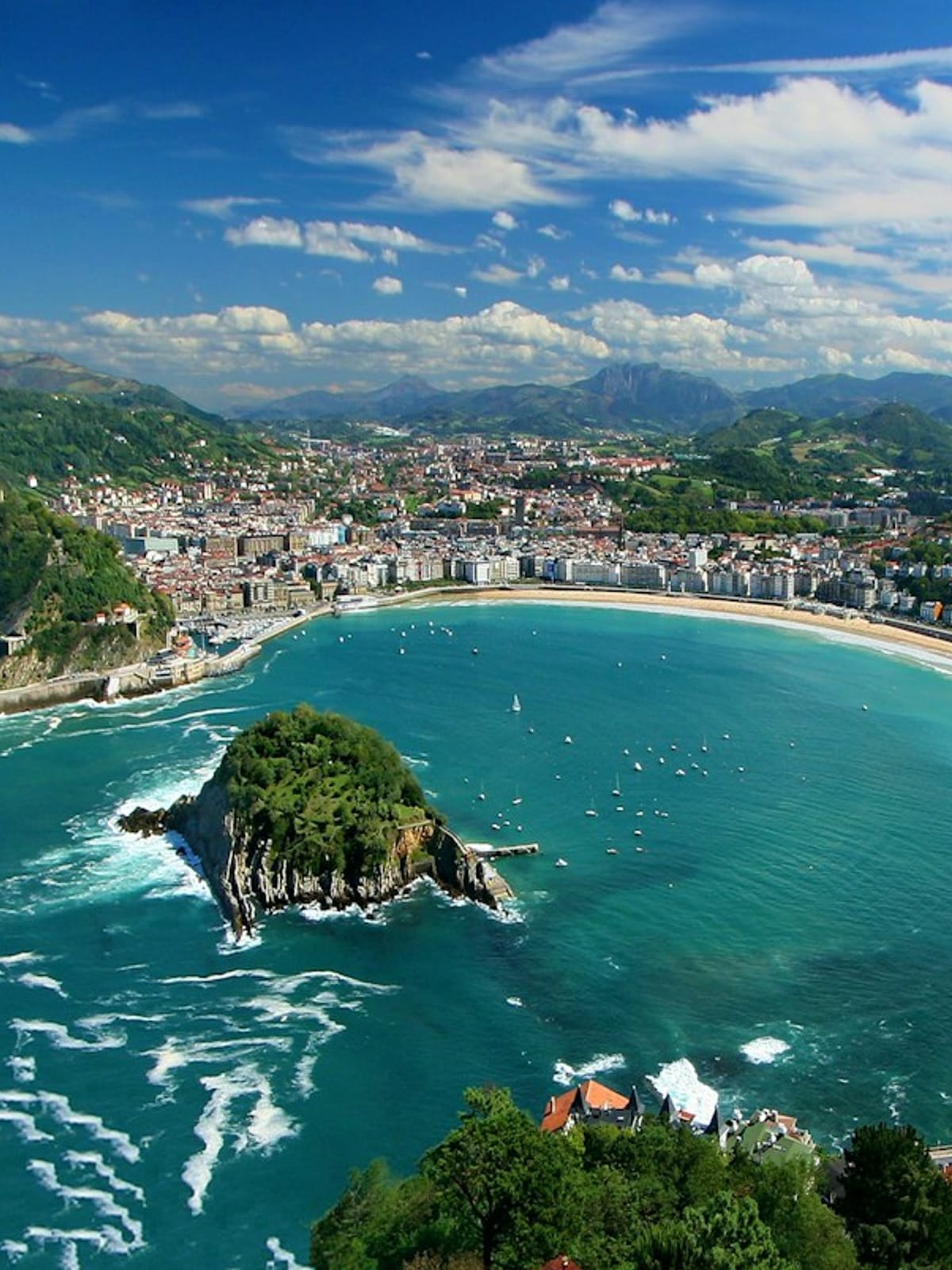
On day five, drive east to San Sebastián (Donostia), about 1 hour 15 minutes away. The city wraps around La Concha bay, a curved city beach with a promenade, and it holds more Michelin stars per head than almost anywhere. You do not need one of them to eat well: the old town bars serve pintxos from the counter, and you order a small glass of txakoli or cider with each. Climb Monte Igueldo for the view over the bay in the afternoon, or take a cider-house lunch inland in the Basque hills, where cider is poured from the barrel.
Madrid: three nights
The Alvia train from San Sebastián to Madrid takes about 5 hours, which is a full travel day, but the route crosses the Basque hills and the plains of Castile. From Madrid you can reach any city in the south on the AVE.
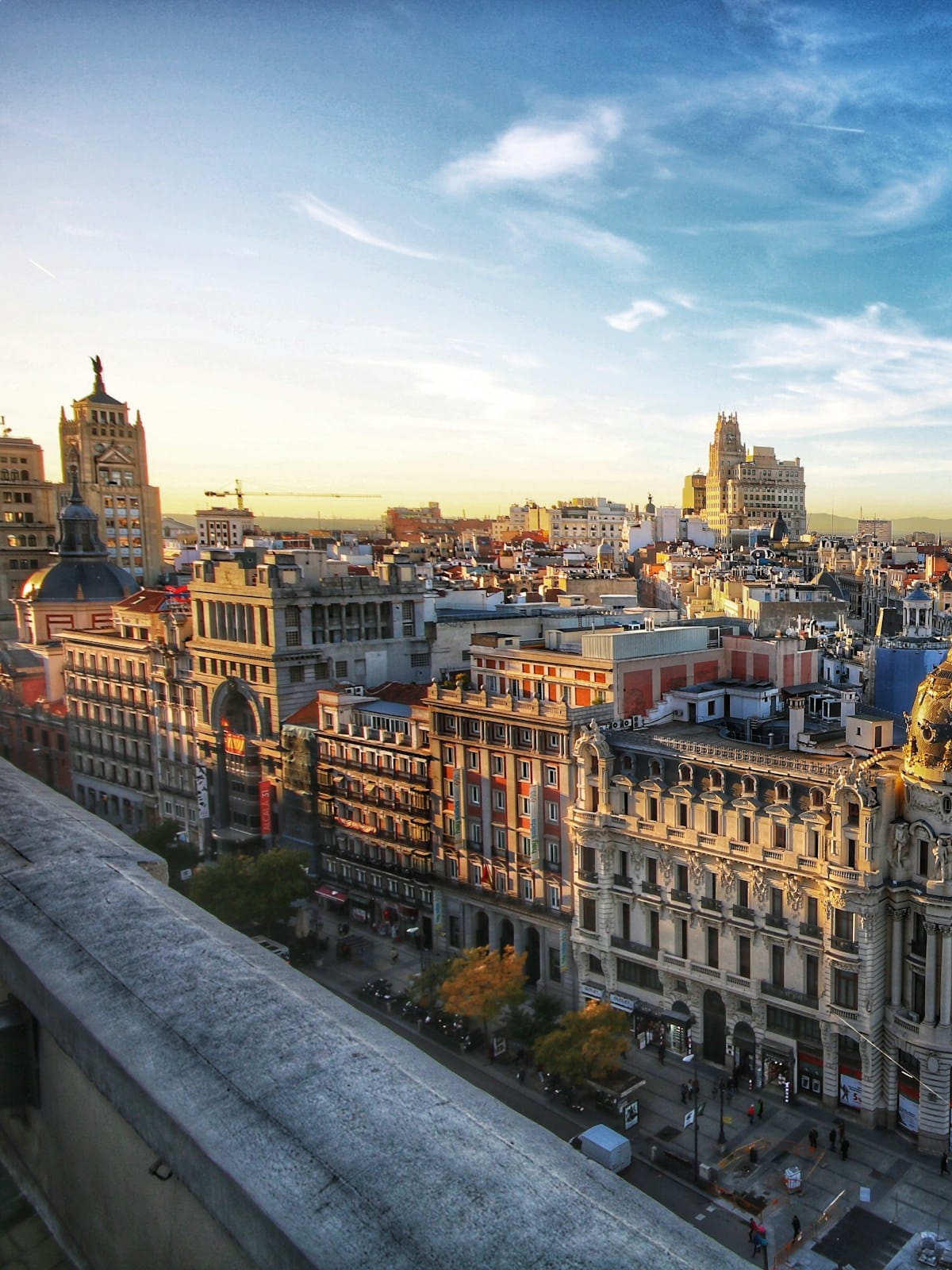
Day eight is the royal city: the Royal Palace, Plaza Mayor and the lanes around it. Day nine is the Prado, with Velázquez, Goya and El Greco, and then one of the other two big museums. The Reina Sofía has Picasso's Guernica. If you have energy left, Retiro Park is a quiet end to the afternoon. Toledo, 35 minutes by train, makes a good swap for the second museum.
Seville and Granada: four nights
Take the AVE from Madrid toward Seville and break the trip at Córdoba (about 1 hour 45 minutes from Madrid). The Mezquita is a mosque and a cathedral in one building, with a forest of striped arches. Walk the Judería, then continue to Seville, about 45 minutes further.
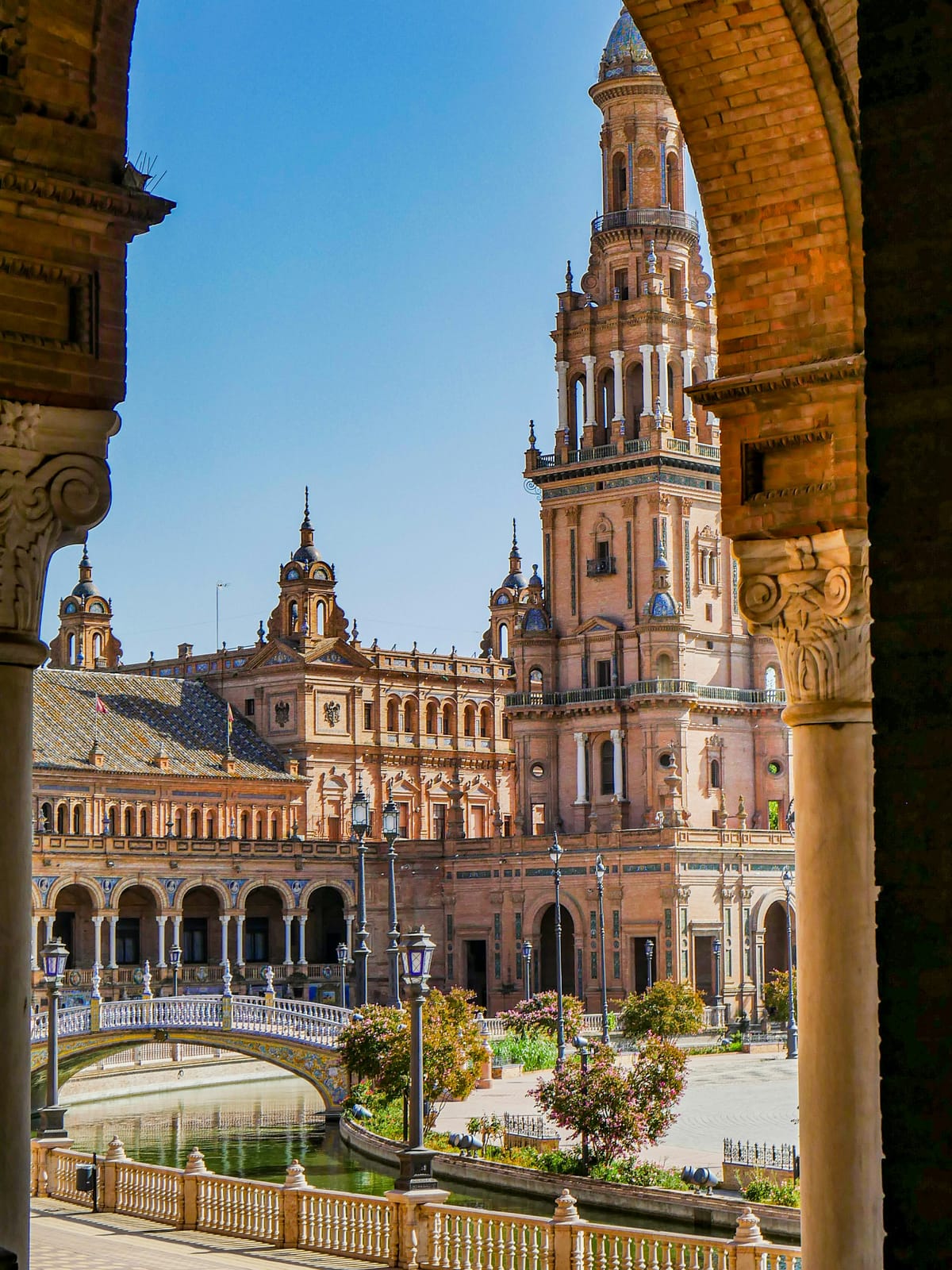
Seville is the warmest and most theatrical of the four cities. The cathedral is the largest Gothic cathedral in the world, and the Giralda was originally the minaret of the mosque that stood on the site. The Real Alcázar is a Mudéjar palace with gardens that took centuries to finish. In the evening, flamenco in a small tablao in Triana is a better introduction than a big dinner show.
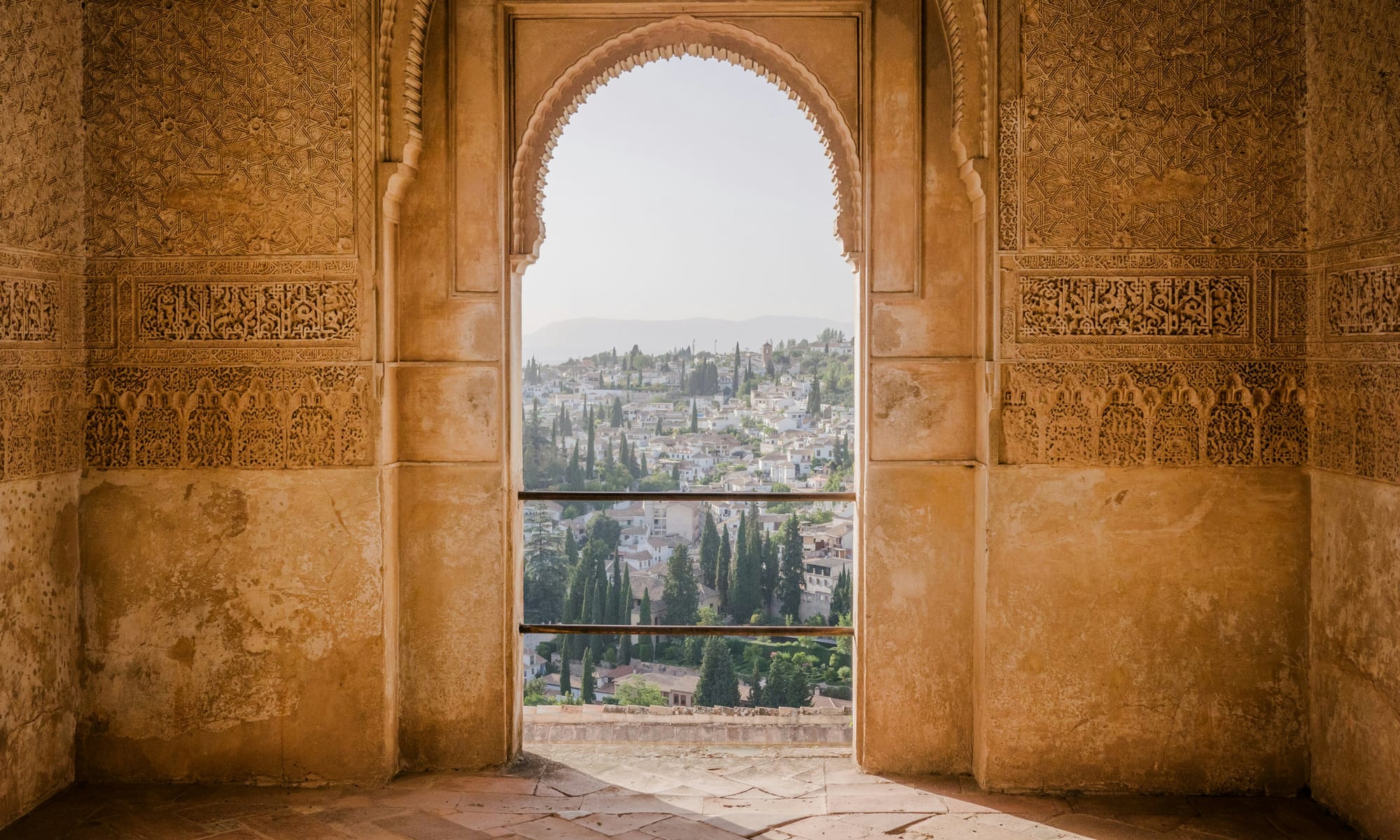
From Seville to Granada, the drive takes about 3 hours, with trains taking roughly the same. Granada sits under the Sierra Nevada. Walk up through the Albaicín, the old Moorish quarter, to the Mirador de San Nicolás for the view of the Alhambra at sunset. The next day is the Alhambra itself. Tickets for the Nasrid Palaces are sold for fixed half-hour slots and sell out well in advance, so we book them as soon as your dates are set.
Where to stay
Barcelona: the Born or the Eixample. Bilbao: near the Guggenheim or in Casco Viejo. San Sebastián: the Parte Vieja or the Centro near La Concha. Madrid: Barrio de las Letras, close to the Prado. Seville: Santa Cruz or near the cathedral. Granada: the Albaicín or around Plaza Nueva, close to the Alhambra path. In Granada and Seville, a small hotel in a restored house suits this trip better than a big chain.
When to go
May, June, September and October suit the whole route. July and August are very hot in Madrid, Córdoba and Seville, regularly above 38°C. The Basque coast is cooler in summer but rainier at any time of year, so pack a light waterproof. Winter is mild in Andalusia and the Alhambra is quieter, but the north is cold and wet.
Ways to change the route
To go south only, drop the Basque Country and add a night each in Córdoba and Granada: Barcelona (3) → Madrid (3) → Córdoba (1) → Seville (3) → Granada (3) fits 13 nights. To go north only, add Oviedo and Santiago de Compostela to the Basque coast, which is the route of our 12-day north of Spain tour. For a slower 2 week Spain itinerary, spend four nights in Andalusia and cut Madrid to two. Add the white villages of Ronda from Seville if you have an extra day.
How we plan it
We build the route around your dates: the flight to Bilbao, trains, a private driver for the Basque and Andalusian legs, and timed tickets for the Sagrada Família, the Prado and the Alhambra. A real person on our team stays in touch throughout.
Frequently asked questions
Is 14 days too long for Spain?
No. Fourteen days gives you five or six bases without rushing. Spain is large, and the north, the centre and the south are very different from each other.
Is it better to do Spain north to south or south to north?
North to south works well here: you end in Granada with the Alhambra, and fly home from Granada or Málaga. Flying into Barcelona and out of the south avoids backtracking.
How do you get from San Sebastián to Madrid?
By Alvia train in about 5 hours, or by road in around 5 hours. There are also flights from Bilbao, but the train is more scenic and leaves from the city centre.
Do I need to book the Alhambra in advance?
Yes. The Nasrid Palaces use fixed entry times and tickets can sell out weeks ahead in spring and autumn. We book it when your dates are confirmed.
What is the best time for a 14 day Spain itinerary?
May, June, September and October. The south is hot in July and August, and the north is wet and cold in winter.
 Quick cookie chat