
When is the best time to visit Spain?
The best time to visit Spain is May to June and September to October. The weather is warm but not punishing, the days are long, and the cities are busy without being packed.
Those months suit most of the country. If you want Andalusia's cities, especially Seville and Córdoba, go in spring or autumn, because summer heat makes sightseeing hard. If you want the green north, summer is the best time. And if you want quiet museums and a city break, winter works well, particularly in the south.
Spain is not one climate. The south is hot and dry, the north is green and wet, and the interior, including Madrid, has hot summers and cold winters. So the best month depends on where you go. For the bigger picture, read our Visit Spain guide.
Spring in Spain (March to June)
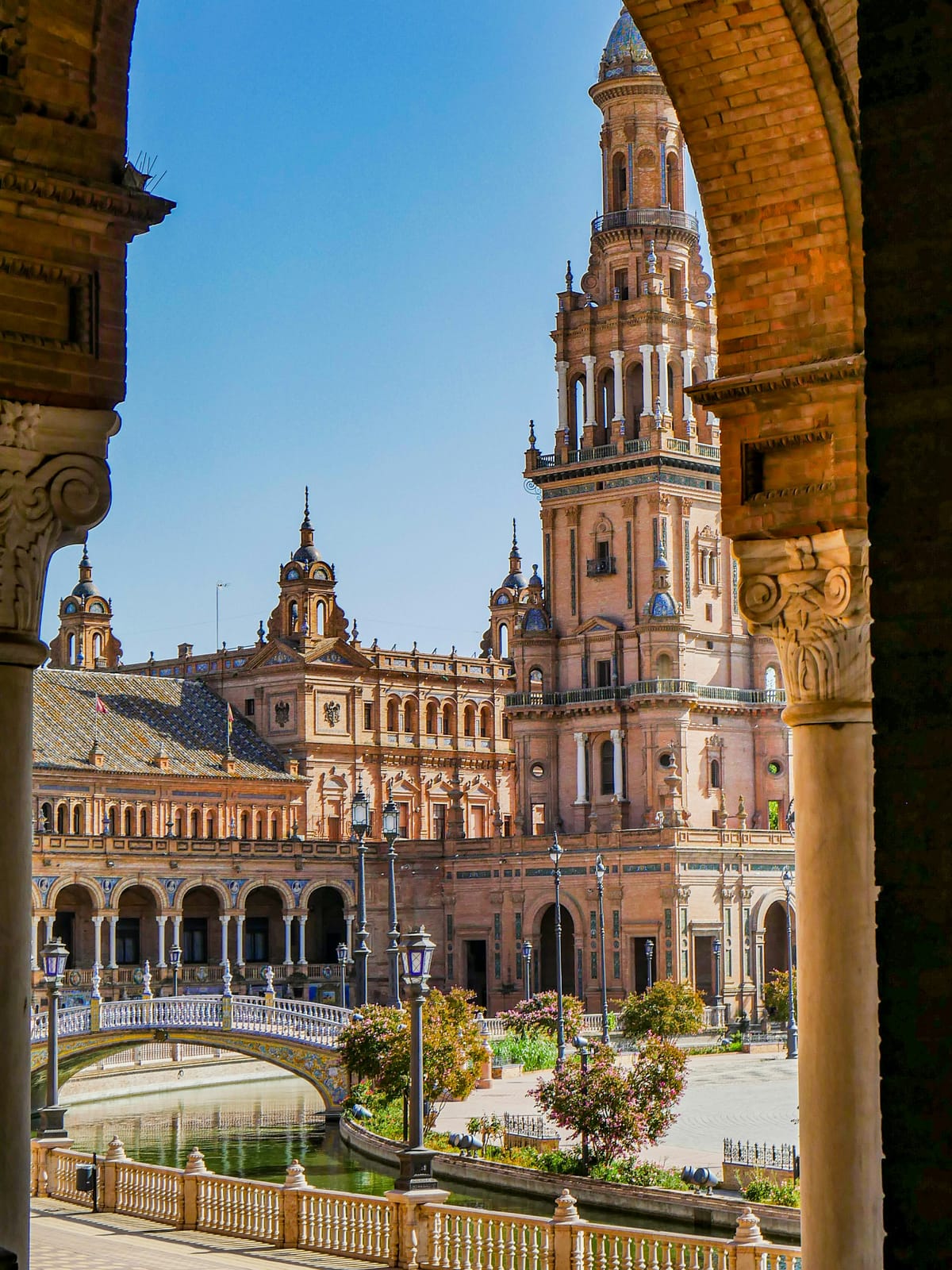
Spring is the most reliable season across the country. In March and April, Seville is mild, with afternoons around 20°C (68°F), and the orange trees in the city's courtyards come into flower. The light is clear, and the streets have not yet filled up.
By June, Seville often passes 30°C (86°F), so plan the big sights for early morning. Madrid and Barcelona are at their most comfortable in May and June, with long evenings on the terraces and a light jacket for the first hour after dusk.
Spring also brings Spain's long evenings. Dinner rarely starts before 9 pm, so the hours after sunset in a plaza are part of the experience, and spring makes them easy to enjoy.
Autumn in Spain (September to November)
September and October are the second sweet spot. The heat eases in Andalusia, and the Mediterranean stays warm into September, so Barcelona's beaches are still good for a swim. Madrid is crisp by late October, and the evenings suit a long dinner outside.
It is also harvest time. The grape harvest, the vendimia, runs through September and October in wine regions such as Rioja, and the markets in the north fill with wild mushrooms and chestnuts. Autumn is a good month for food-led trips, and for anyone who wants Spain's cities without the summer crowds.
Summer in Andalusia: go early or go north
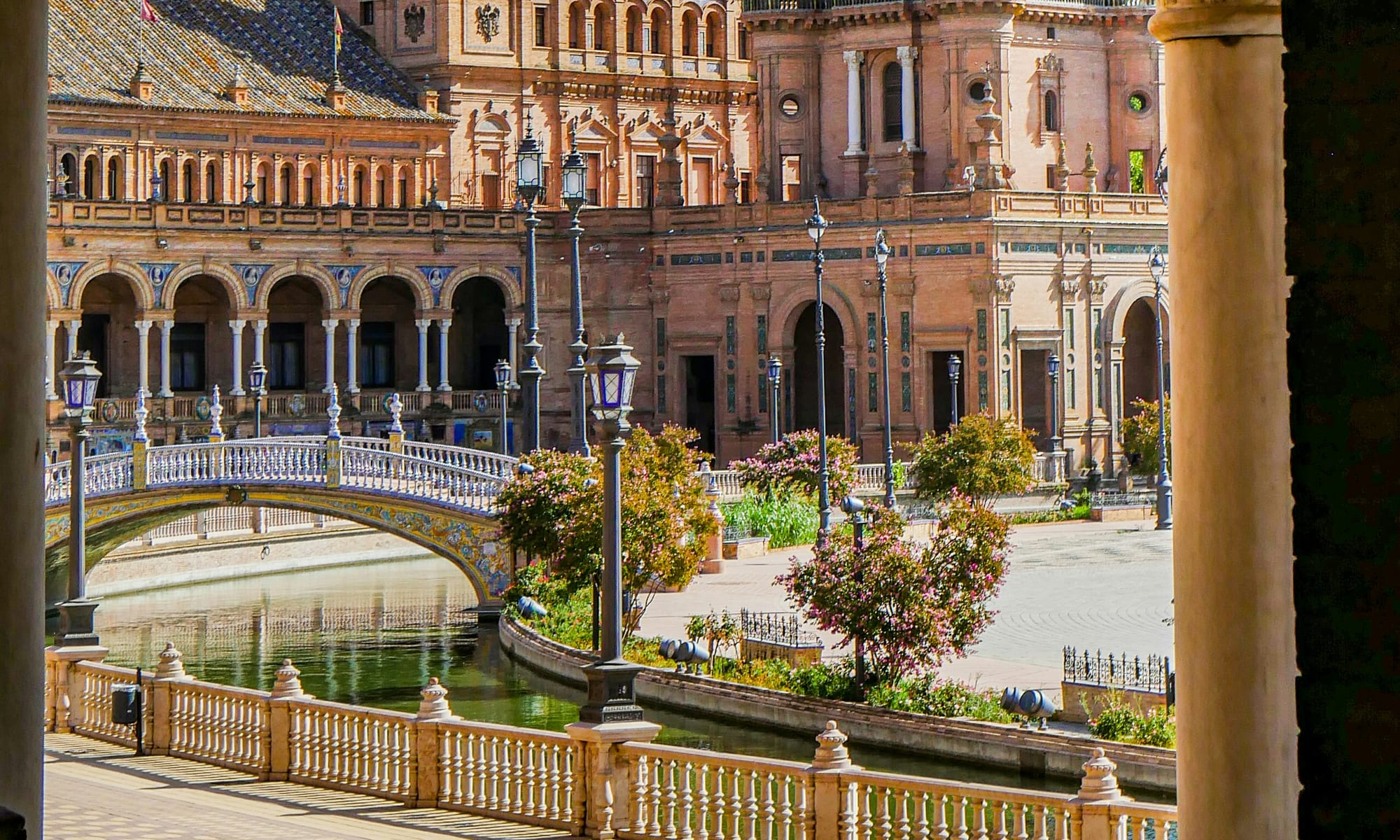
Summer in Seville and Córdoba is intensely hot. July is often over 35°C (95°F), and Córdoba can pass 40°C (104°F) on some days. The old streets hold the heat well into the evening, and many people stay indoors from midday until the sun drops.
If you do travel in summer, start early. See the Alcázar in Seville or the Mezquita in Córdoba before lunch, then spend the afternoon in a shaded courtyard or by a pool. Granada sits higher and is a little cooler, with the Sierra Nevada behind it, but it is still hot in July.
Our South of Spain tour covers Seville, Granada and Córdoba, and we shape the hottest days around early starts and long lunches.
Summer in the north: the Basque Country and Galicia
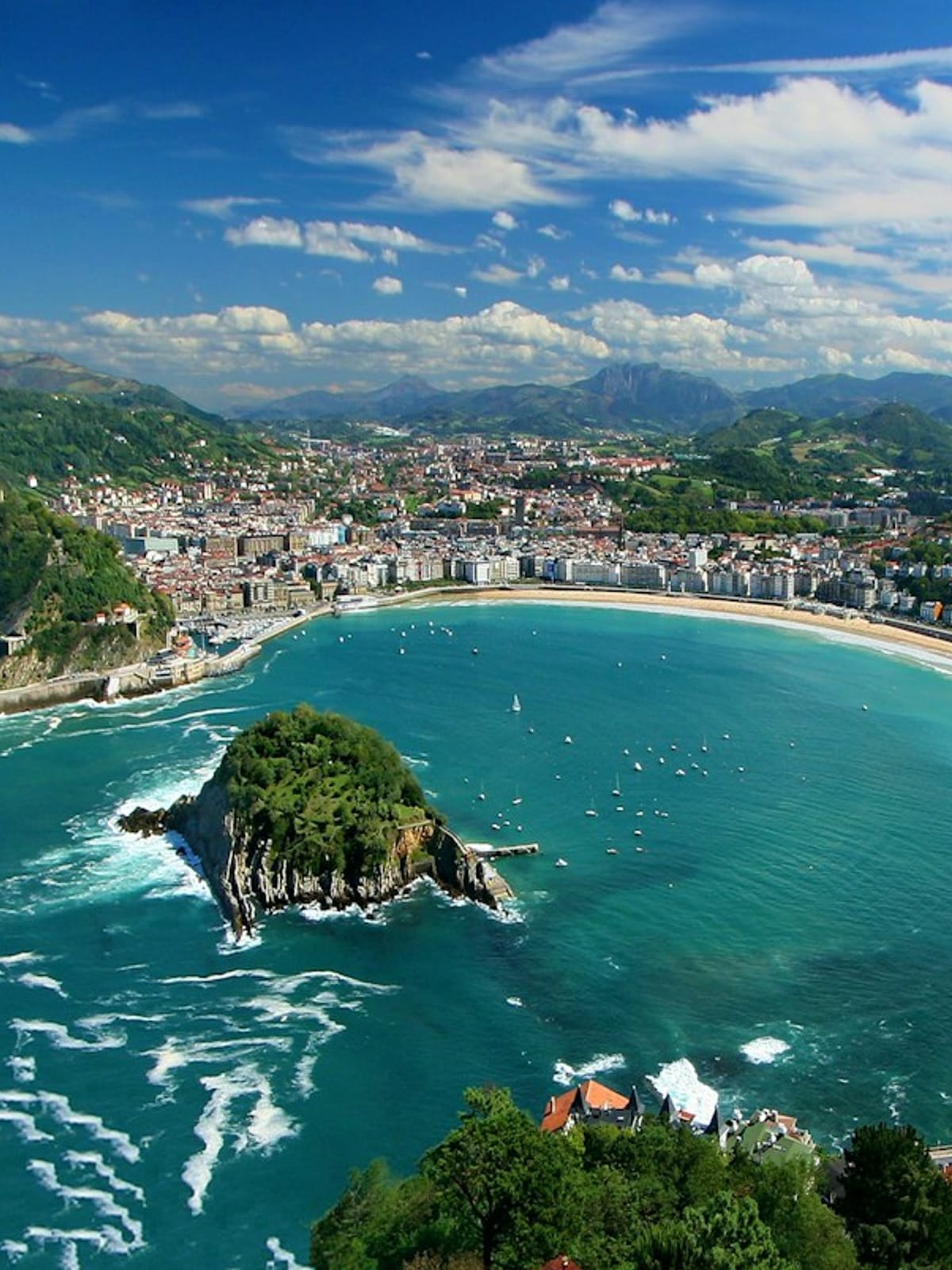
The north of Spain is a different country in summer. The Basque Country and Galicia stay mild, usually around 20 to 25°C (68 to 77°F), and the hills are green. San Sebastián's bay is the classic summer view: a curve of beach, a small rocky island and mountains behind the city.
Rain is possible in any month, particularly in Galicia, so pack a light waterproof. July and August are the busiest weeks on the coast, and the cities fill with Spanish holidaymakers. June and September are the sweet spots, with warm days and room to breathe.
Galicia has its own pull. The pilgrim trail to Santiago de Compostela is busy from spring through autumn, and the cathedral square fills by midday. Our North of Spain tour runs from Barcelona through Bilbao, San Sebastián and Oviedo to Santiago, so you can plan the north around the weather.
Semana Santa and Feria de Abril: book early
Semana Santa, Holy Week, is the week before Easter. In Seville, Málaga and many smaller towns, brotherhoods carry heavy floats through the streets, and some processions run late into the night. Easter moves each year and usually falls in March or April, so check the dates before you plan. Hotels in processional towns fill quickly.
About two weeks after Easter, Seville holds the Feria de Abril, its spring fair. It is usually in late April or early May. The fair is a city of tents called casetas, with flamenco, sherry and families dancing into the night. It is a joyful week to visit, but not a quiet one, so book well ahead.
Both events are wonderful if you want Spain at its most public. They are less suited to quiet sightseeing. If you come for either, tell your planner early, so the hotel and the guide are sorted before the rush.
August and Barcelona's crowds
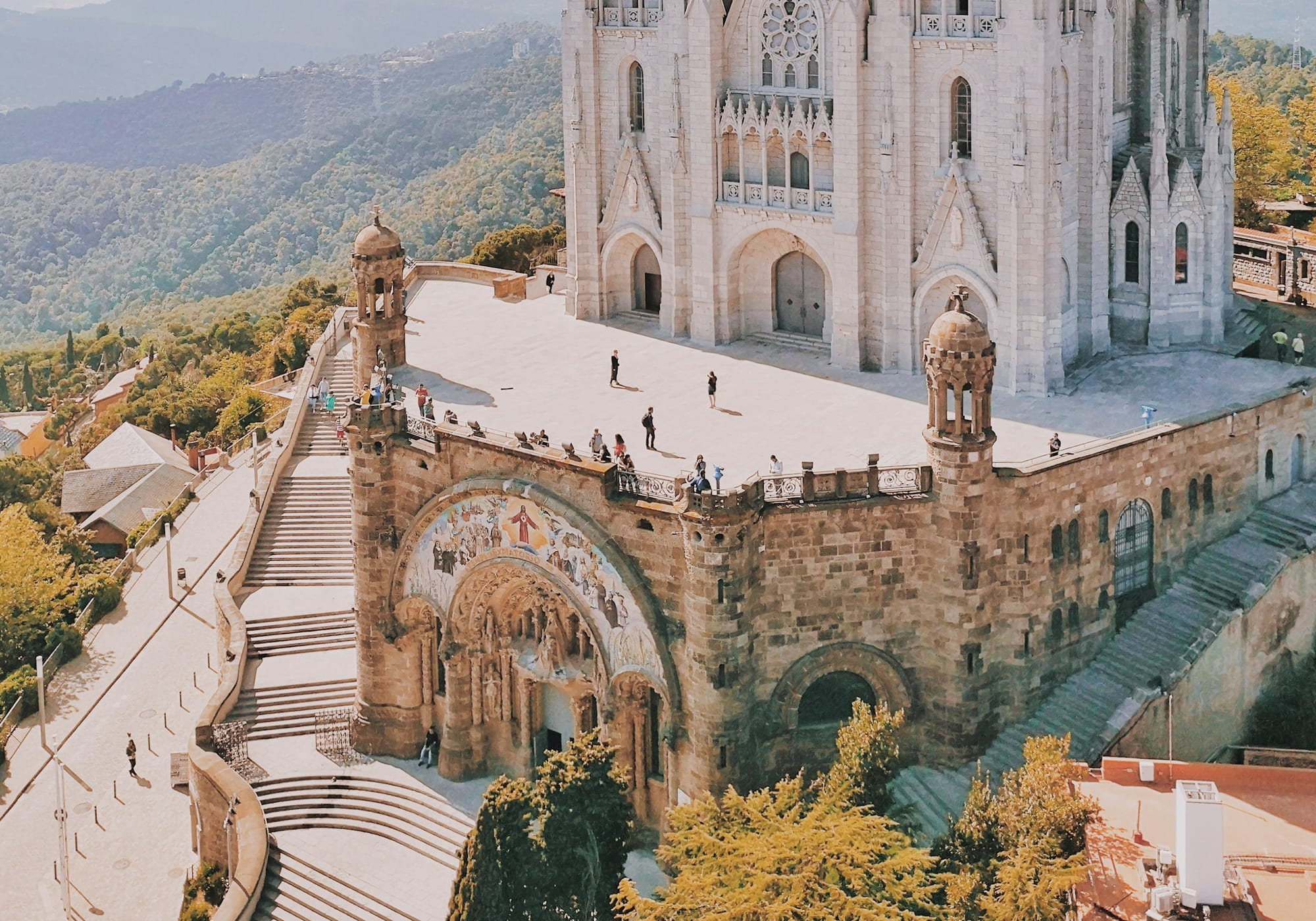
August is the hottest month in most of Spain, and the busiest for beaches. Many families leave the cities for the coast, so some local shops and restaurants close for part of the month, especially in Madrid. Tourist sights stay busy, and the midday sun is strong.
Barcelona is the city most people ask about. Sagrada Família, Park Güell and the Gothic Quarter draw crowds from spring through autumn, and cruise days add a wave of visitors to the centre. Book timed tickets ahead, go to the big sights early, and keep the Gothic Quarter for the late afternoon, when the lanes are quieter. Our Barcelona and Madrid tour plans the timed entries for you.
The beaches at Barceloneta are a short walk from the Born. The water is cool before June, and the sand is busiest on summer weekends.
Winter: Andalusia and city breaks
Winter is a good season for Andalusia. Seville's days are often around 15 to 17°C (59 to 63°F), with blue skies and few queues. Bitter oranges still hang on the trees, and the cafés on the squares stay open in the sun.
Madrid is cold, with nights close to freezing (0°C / 32°F). Barcelona is mild but can be grey. Both suit a city break with museums and long lunches, and Christmas brings lights and markets to the main streets. The Prado is quieter in winter, so you can take your time.
For a longer trip that moves between countries, Spain and Portugal in 10 days pairs the two in one route.
Month by month at a glance
Weather notes are for Andalusia and central Spain. The north is cooler and wetter all year.
| Month | Weather | Crowds | Good for |
|---|---|---|---|
| January | Cool, mild in the south | Low | Seville, Córdoba, quiet museums |
| February | Cool, a few warm days | Low | City breaks, Cádiz Carnival |
| March | Mild, spring begins | Building | Andalusia's gardens and courtyards |
| April | Warm, blooming | Busy, Easter peak | Semana Santa, Seville in spring |
| May | Warm, sunny | Moderate | Best all-round: cities, south and north |
| June | Hot in the south, warm in the north | Busy | Long evenings, the Basque coast |
| July | Very hot in the south | Very busy | The north, mountains, late evenings |
| August | Hottest in the south | Peak, many locals away | Northern beaches, mornings in the cities |
| September | Warm | Easing | Harvest, warm sea, ideal weather |
| October | Mild, crisp | Moderate | Cities, wine harvest, food |
| November | Cool | Low | City breaks, mild days in Andalusia |
| December | Cool in the south, cold in Madrid | Moderate, holidays | Christmas lights, city breaks |
How we plan around the season
Because every Black Deer Travel trip is private, we build your Spain route around the calendar, not a fixed departure. If you travel in summer, we start the Andalusian days early. We book Semana Santa and Feria hotels well ahead, and we secure the timed tickets that sell out, such as the Alhambra and the Sagrada Família.
We also keep an eye on the small things. Madrid's El Rastro flea market runs on Sunday mornings, and it is worth building a Sunday around. Tell us roughly when you can travel, and we will tell you honestly where Spain is at its best that month. If you have ten days, our 10-day Spain itinerary shows how the seasons and routes fit together. Browse our Spain tours for the full range.
Frequently asked questions
What is the best month to visit Spain?
May, June, September and October are the best months overall. The weather is warm, the days are long, and the cities are busy but not packed. In Andalusia, late March to May and September to November are the most comfortable.
When is the best time to visit Andalusia?
Spring and autumn. From March to May and from September to November, Seville and Córdoba are warm and comfortable for sightseeing. In July and August, afternoons often pass 35°C (95°F), so most visitors avoid the middle of the day.
Is Spain too hot in summer?
Only in the south and the interior. Andalusia and Madrid are very hot in July and August. The Basque Country and Galicia stay mild, around 20 to 25°C (68 to 77°F), which makes the north a good summer choice.
When are Semana Santa and Feria de Abril?
Semana Santa is the week before Easter, usually in March or April. Feria de Abril in Seville usually follows about two weeks after Easter, in late April or early May. Both dates move each year, so check them before booking.
Is winter a good time to visit Spain?
For Andalusia, yes. Seville is often around 15 to 17°C (59 to 63°F) in winter, and the sights are quiet. Madrid is cold, and Barcelona can be grey. Winter suits a city break more than a beach trip.
Is August a good time to visit Spain?
Only for the north coast, and only if you do not mind the crowds. Andalusia is very hot, and many local shops and restaurants close for part of the month, especially in Madrid. Book early and expect busy beaches.
 Quick cookie chat