
The route at a glance
Paris (3 nights) → Loire Valley (2 nights) → Provence (4 nights) → departure. The TGV high-speed trains connect Paris to the Loire (1.5 hours to Tours, the valley's gateway) and from there to Avignon (3 hours from Tours through the heart of France). This ten-day itinerary traces the arc of French civilization from the grand boulevards and museums of the capital through the châteaux and gardens of the Loire to the lavender fields and hilltop villages of the south. Each leg is a different France.
Day-by-day overview
| Day | Base | What you do |
|---|---|---|
| 1 | Paris | Arrival at CDG, private transfer to Saint-Germain, welcome dinner at a Left Bank bistro |
| 2 | Paris | Private Louvre tour with art historian, Montmartre afternoon, Musée d'Orsay for Impressionists |
| 3 | Paris | Versailles morning and royal gardens, Left Bank literary walk, Shakespeare and Company, Panthéon |
| 4 | Loire Valley (Amboise) | TGV train to Tours, drive to Loire Valley château hotel, Château Royal d'Amboise afternoon |
| 5 | Loire Valley (Amboise) | Chambord and Chenonceau châteaux, vineyard lunch at Vouvray, free afternoon |
| 6 | Provence (Avignon) | Morning in Loire (Villandry gardens optional), TGV to Avignon, check into medieval walled town |
| 7 | Provence (Avignon) | Luberon hilltop villages: Gordes, Sénanque Abbey and lavender, Roussillon, Bonnieux, Châteauneuf-du-Pape wine tasting |
| 8 | Provence (Aix-en-Provence) | Drive to Aix-en-Provence, walking tour of Cours Mirabeau and Cézanne's studio, Provençal cooking class |
| 9 | Provence (Aix-en-Provence) | Free day: Pont du Gard (Roman aqueduct), Avignon return, more Luberon exploration, or rest |
| 10 | Provence (Aix-en-Provence) | Final breakfast, private transfer to Marseille airport or Aix TGV station |
Paris: three days
Your private driver meets you at Charles de Gaulle and carries you across the city to Saint-Germain-des-Prés, the Left Bank heart of Paris. After check-in, the afternoon is yours — the Luxembourg Gardens are five minutes away, the Seine is just beyond, and the neighbourhood cafés along Rue de Buci are exactly where you want to sit with a glass of Sancerre and watch Paris go by. Welcome dinner is at a tucked-away bistro where the chef's tasting menu changes with the market.
Day two begins with the Louvre — skip-the-line entry with an art historian guide who knows exactly which rooms to linger in: the Mona Lisa, the Winged Victory, the Vermeer collection without the crush. After the museum, a stroll through the Tuileries and a quiet lunch in the Marais. Afternoon takes you to Montmartre — the Sacré-Cœur basilica, the winding streets where Picasso and Toulouse-Lautrec worked, panoramic views of Paris from the hilltop that explain why artists have always gathered there. Evening is yours; we'll share neighborhood favorites for dinner.
Day three divides between Versailles and the Left Bank. Morning at the Palace of Versailles — the Hall of Mirrors, the King's Grand Apartments, the vast formal gardens that Louis XIV used to remind Europe who was in charge. Your guide brings the politics and personalities alive. Afternoon in the literary Left Bank: Shakespeare and Company bookstore, the Panthéon, the quiet streets of the 5th arrondissement where Hemingway and Fitzgerald drank and wrote. End at the Musée d'Orsay for the Impressionists — Monet's water lilies, Renoir's dancers, the Van Gogh rooms that change how you see colour.
The Loire Valley: two days
The TGV whisks you southwest from Paris in 1.5 hours to Tours. Your private driver takes you further into the Loire Valley, France's garden — flat, green, lined with the grandest châteaux in Europe. Arrive in Amboise by mid-afternoon and check into a château hotel overlooking the Loire. After settling, a guided visit to the Château Royal d'Amboise, where Leonardo da Vinci spent his final years and is buried in the chapel. Evening along the river at sunset.
Day five is the two greatest châteaux. Morning at Chambord — the largest and most theatrical, built as a royal hunting lodge with a double-helix staircase attributed to Leonardo da Vinci, essentially a Renaissance thought experiment built in stone. Your guide explains the obsessive vision. From Chambord, drive through the forest to Chenonceau — the 'Ladies' Castle,' spanning the River Cher with grace that makes it the most photographed château in France. Lunch at a family vineyard near Vouvray, where the winemaker pours his Chenin Blanc alongside a meal prepared with ingredients from the estate garden. Afternoon returns you to Amboise with time to rest or explore the town's old streets.
Provence: four nights
Late morning, the TGV carries you south through the heart of France — three hours watching the landscape shift from green river valleys to the golden limestone and dry hills of Provence. Your driver meets you at Avignon TGV and takes you to your hotel inside the medieval walled city. Late afternoon, walk the ramparts and cross the famous Pont d'Avignon before dinner at a Provençal restaurant where the menu reads like a love letter to the south: tapenade, ratatouille, and rosé from the Luberon.
Day seven is the full-day Luberon experience. Your driver collects you after breakfast for the string of hilltop villages that Peter Mayle made famous but that the French have loved quietly for centuries. Gordes perched on a cliff above the valley, golden stone glowing in morning light. The Abbey of Sénanque, a working Cistercian monastery surrounded by lavender fields that have been photographed more than almost any landscape in France. Roussillon, where ochre cliffs turn the village red and orange. Bonnieux for a long Provençal lunch on a terrace overlooking the valley. Afternoon, visit a Châteauneuf-du-Pape estate for a private tasting with the winemaker — big, sun-ripened reds that taste like the landscape they come from. Return to Avignon in the golden hour.
Days eight and nine split between Aix-en-Provence and optional exploration. Morning drive to Aix-en-Provence — the most elegant town in Provence, where plane trees shade wide boulevards and fountains have run since the 17th century. Walking tour through the old town: the Cours Mirabeau, the flower market at Place Richelme, Cézanne's studio on the hill above the town (preserved exactly as he left it with views of Mont Sainte-Victoire that explain everything about his later paintings). A Provençal cooking class at a countryside bastide: learning to make bouillabaisse, tapenade, and proper salade Niçoise with ingredients from the garden. The class ends with dinner — your farewell meal, eaten at a long table under the plane trees as the sun goes down. If a second day in Provence calls, you can visit the two-thousand-year-old Pont du Gard Roman aqueduct, return to Avignon, or stay in Aix for leisure exploring.
Where to base yourself
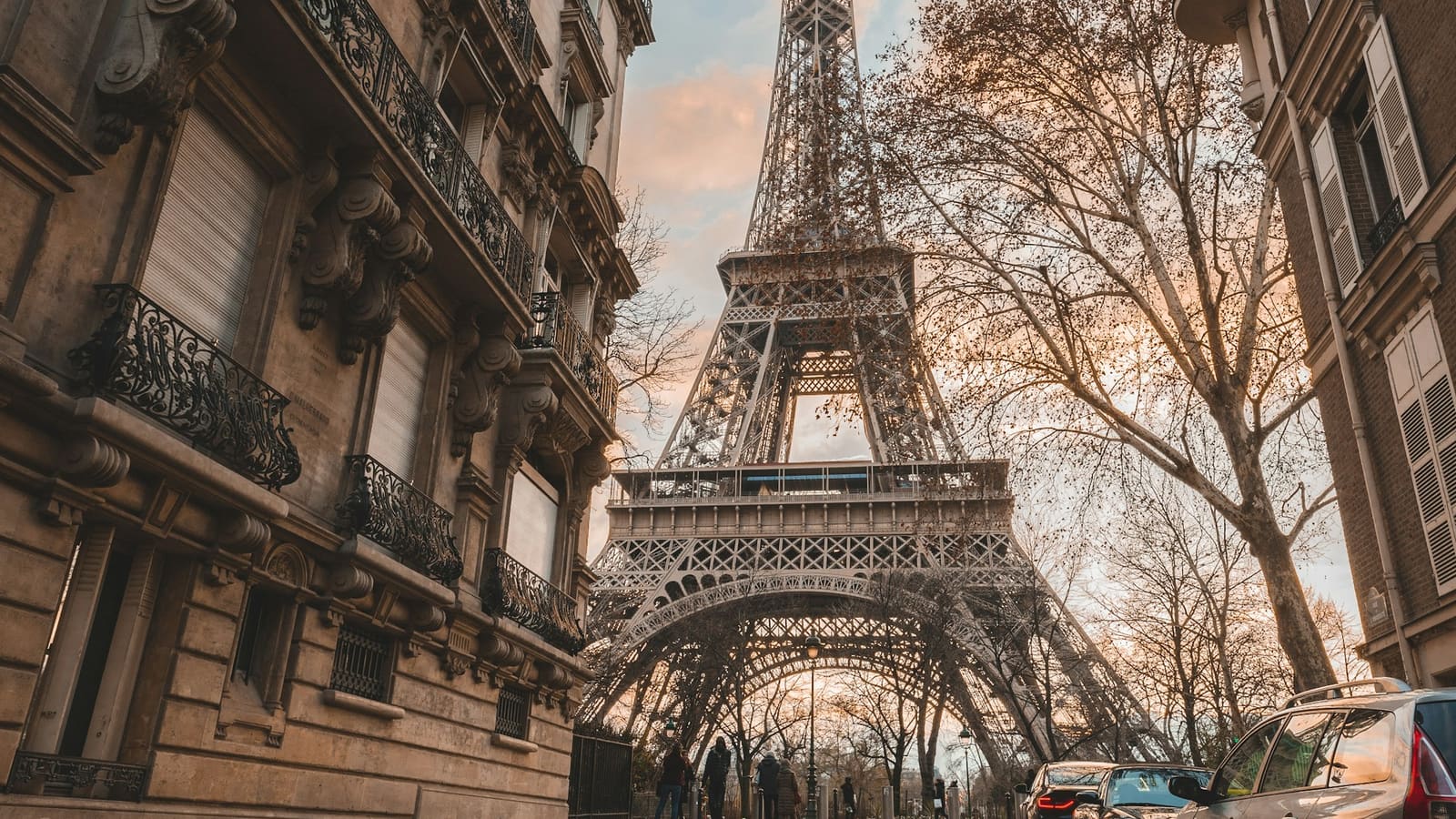
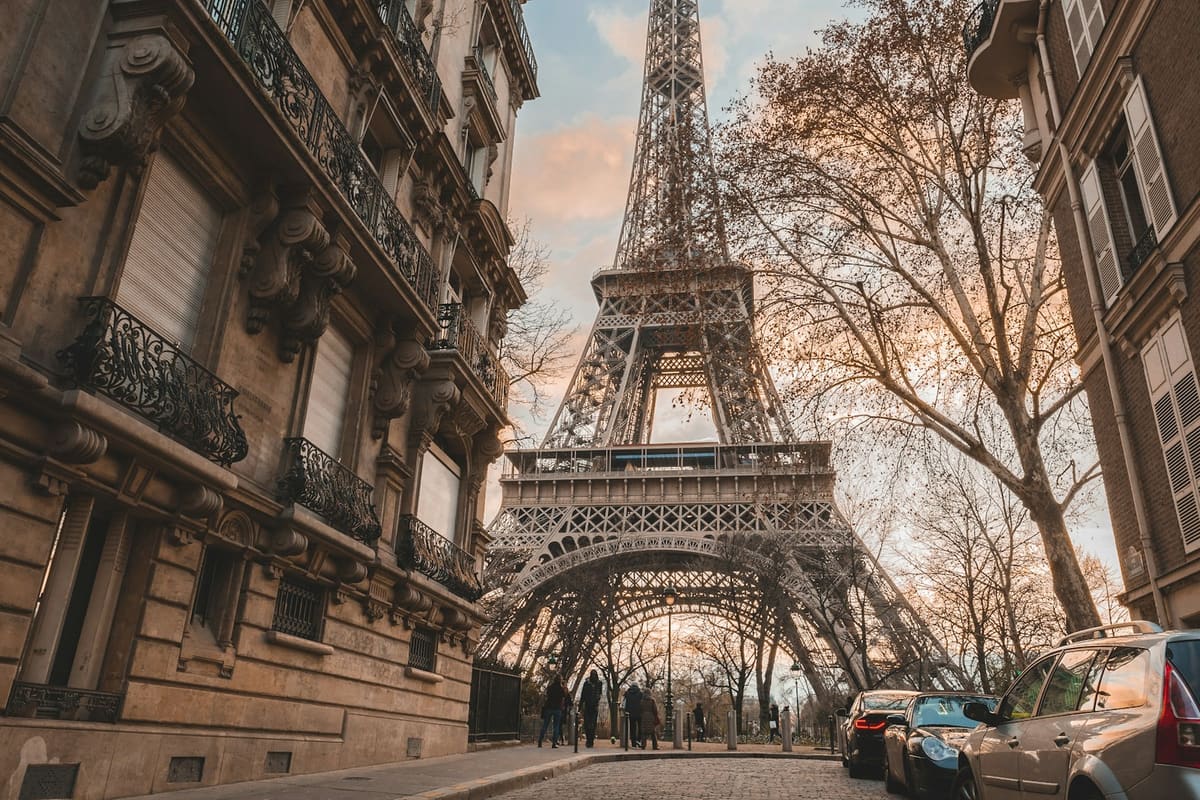
Paris: Saint-Germain-des-Prés for the Left Bank atmosphere, or the Marais for neighborhood charm and museums. Avoid the generic business districts or the tourist traps near the Eiffel Tower. Loire Valley: Amboise is the valley's heart — walkable, charming, close to the major châteaux. Staying in a château hotel overlooks the Loire itself. Provence: Avignon for the medieval walls and access to the Luberon villages, or Aix-en-Provence for elegance and Cézanne. Both work; Avignon is more dramatic, Aix more refined.
Ways to adjust the itinerary
Longer in Paris? Give it four nights instead of three; most travelers wish they had more time. Skip Versailles and spend more time in neighborhoods. Prefer wine to châteaux? Extend Burgundy or Bordeaux instead of the Loire Valley. Shorter itinerary? Cut the Loire Valley entirely and do Paris (4 nights) and Provence (3 nights) with a TGV connection. Add a cooking class? We can arrange one in Paris, the Loire, or Provence. Skip Aix? Stay three nights in Avignon instead, using extra days for Luberon exploration or a day trip to Pont du Gard.
How we plan it
We book this route around your exact dates, arranging private guides who are art historians, historians, and regional experts rather than reciting facts. We secure skip-the-line Louvre and Versailles access, arrange the TGV trains with comfortable seats and no tourist crowds, and ensure your hotels sit in character-filled neighborhoods — the Saint-Germain bistro where Parisians eat, the château hotel overlooking the Loire, the medieval walled town in Provence. Our recommendations point toward the cooking class at a countryside bastide, the Vouvray and Châteauneuf-du-Pape tastings, the neighborhood wine bar over the tourist operation. We stay reachable throughout and follow up afterward to hear which moment stayed longest.
Frequently asked questions
Is ten days enough for Paris, Loire Valley, and Provence?
Yes. Two to four nights in each major area gives you time to see the main sights and explore without the exhaustion of daily train journeys. The TGV trains are fast and easy, making the moves simple. You'll have one free day in the Loire and one in Provence for optional activities.
Can I do this in 7 days instead of 10?
Possible but rushed. You'd skip either the Loire Valley or one of the Provence nights. Better to choose Paris and Provence (skip Loire) or Paris and Loire (shorter Provence) if you're limited to seven days.
How long are the TGV train journeys?
Paris to Tours (Loire Valley gateway): 1 hour 15 minutes. Tours to Avignon: 3 hours. Both depart from city centres, no airports or change of stations needed.
Is the château hotel worth the extra cost?
We think so. Sleeping in a hotel overlooking the Loire Valley, waking to the château lights at night — it's a memory that justifies the cost. Regular hotels in Amboise work too if you prefer to save money.
When do the lavender fields bloom in Provence?
Mid-June through early August, with peak bloom mid-July through early August. If lavender matters to your trip, aim for July. The Luberon is beautiful outside lavender season too — spring wildflowers, autumn light.
 Quick cookie chat