The best time to visit France
The best time to visit France is May to June, and September to early October. The days are warm and long, the countryside is green or turning gold, and the crowds are thinner than in July and August. These months suit almost every kind of trip.
Some trips want a narrower window. For the lavender in Provence, go in early to mid-July. For the wine harvest, go in September. For the Riviera sea, go between June and September. For Paris with fewer people and lower hotel rates, go between November and March, outside the Christmas weeks.
This guide covers each season, a month-by-month table, and how we plan trips around the calendar. The short answer is simple. Pick May, June, September or early October for an all-round trip. For the wider picture, read our visit France guide.
Spring in France (April to June)
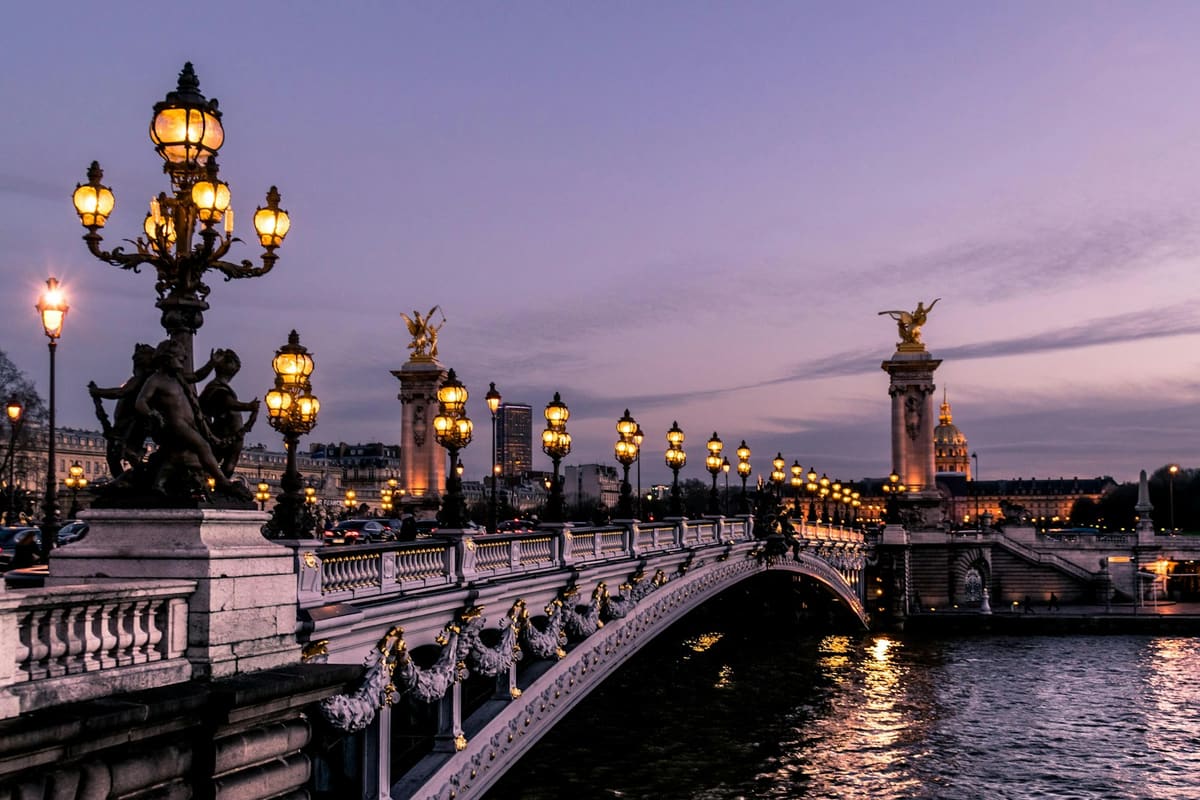
Spring is when France wakes up. Paris is usually around 16°C (61°F) in April and 20°C (68°F) in May. The chestnut trees flower along the boulevards, the parks fill at lunchtime, and the city is easy to walk all day.
The Loire Valley is at its best from May. The château gardens at Villandry and Chenonceau are planted and in flower, and the river paths are good for cycling. Monet's garden at Giverny opens in spring, and May and June are the months for its irises and roses. Our Loire Valley days are planned around the gardens, not just the rooms.
One thing to know about May. It has several public holidays, and French families often take long weekends around them. Book early if your dates fall on one. Early June also brings the D-Day anniversary on 6 June, when Normandy is busy with commemorations and rooms are scarce.
Summer in France: lavender, festivals and the August rush (July and August)
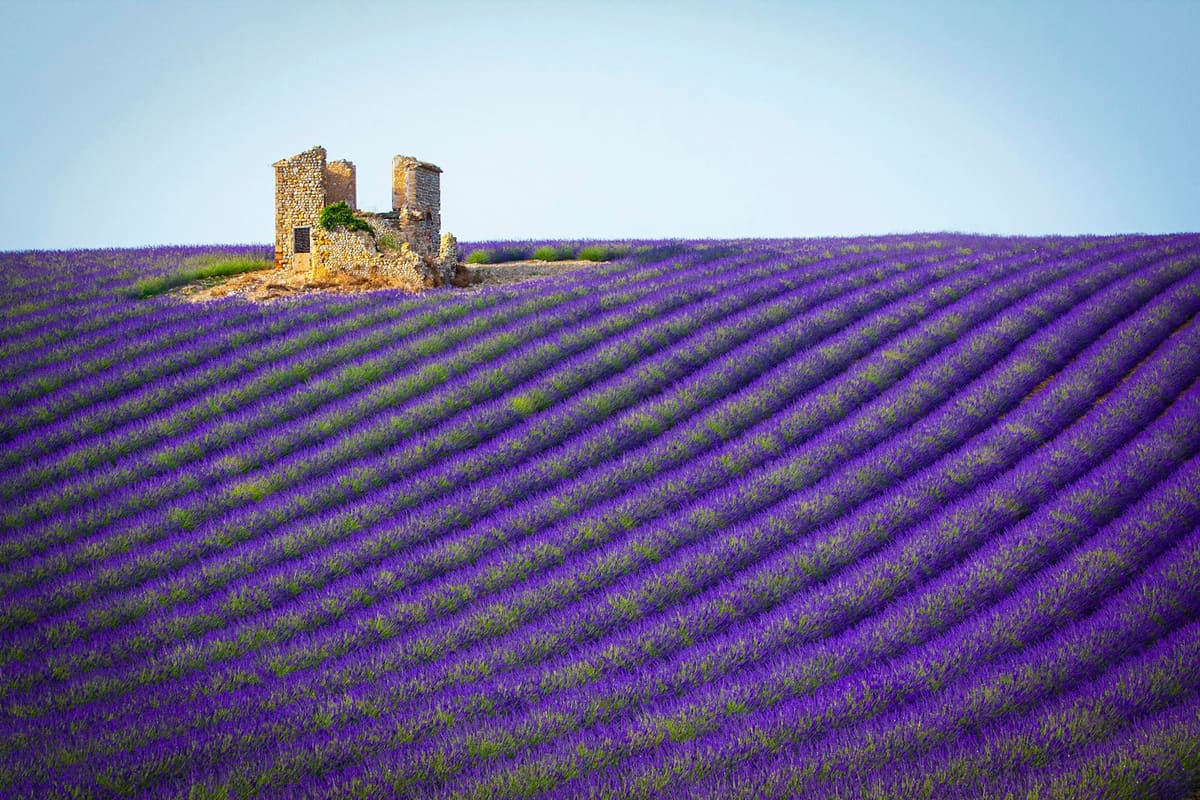
Summer is when Provence turns purple. The lavender usually flowers from mid-June to early August, and it is at its best in early to mid-July. The fields on the Valensole plateau are cut from about mid-July, so earlier is safer. The rows around the Sénanque Abbey near Gordes flower a little earlier.
It is also hot in the south. Avignon and the Luberon are usually around 30–31°C (86–88°F) in July, and heatwaves can pass 35°C (95°F). We plan village visits for the morning and the evening, and leave the middle of the day for a long lunch in the shade. Our Provence trips run on that rhythm.
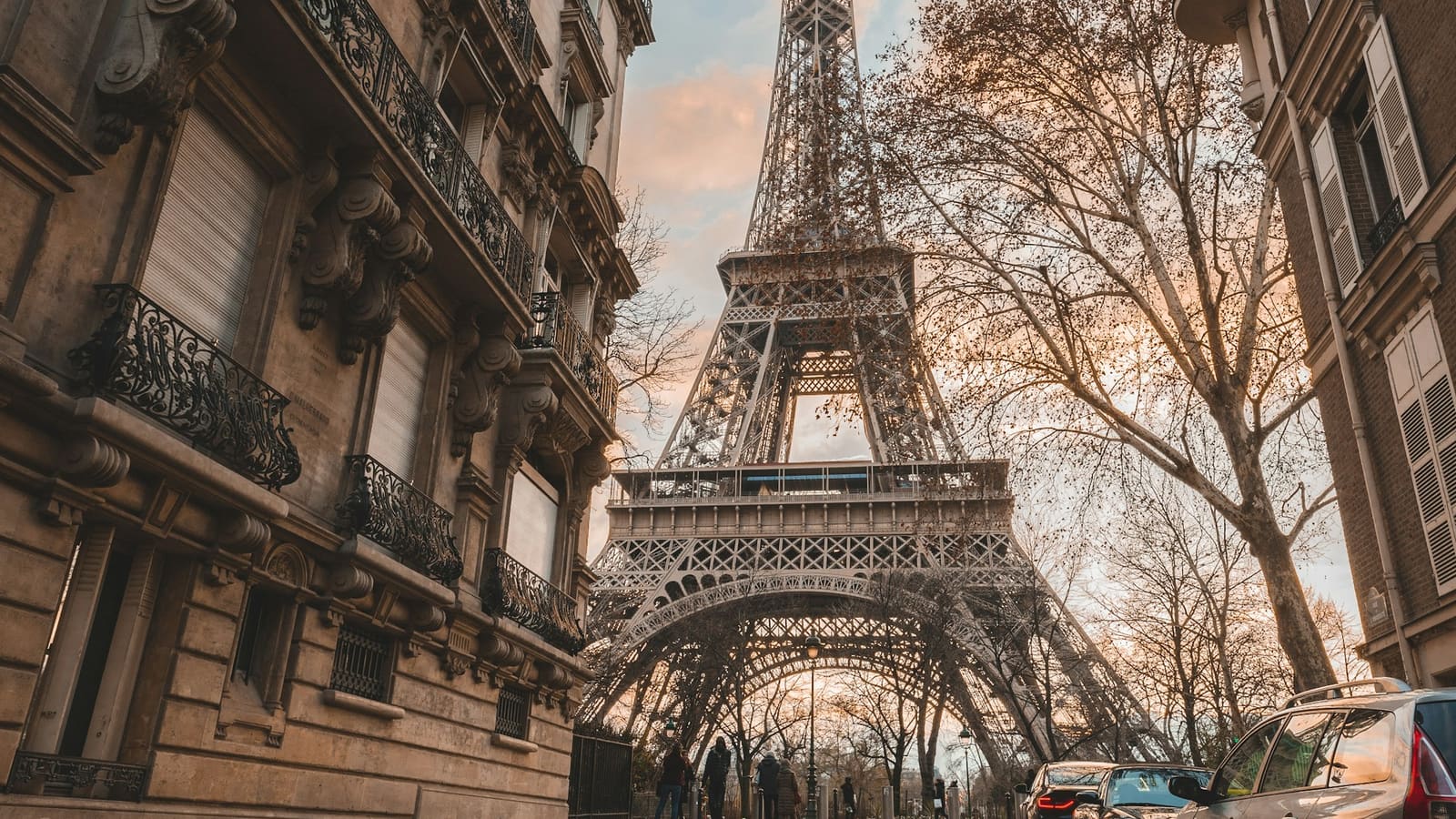
Paris is warm, around 25°C (77°F), and full of visitors. On 14 July, Bastille Day, there is a military parade on the Champs-Élysées and fireworks at the Eiffel Tower. In August many Parisians leave the city. Some small shops and restaurants close for a few weeks, while the coast and the roads south fill up. The weeks around 15 August are the busiest of the year.
If summer is your only window, it still works. Book early, start early, and pick hotels with air conditioning and a garden.
The Riviera and the beaches (June to September)
The Côte d'Azur is the warm corner of France. Nice is usually around 28°C (82°F) in July and August, and the sea there reaches about 24–25°C (75–77°F) in August. June and September are the sweet spot: warm water, long evenings and room on the beach.
May brings the Cannes Film Festival and the Monaco Grand Prix, and hotel prices along the coast jump for those dates. If you are not going for either, plan around them. Our Côte d'Azur days fit in the hilltop villages above the coast, which are cooler and quieter than the seafront.
Autumn in France: the wine harvest (September to October)
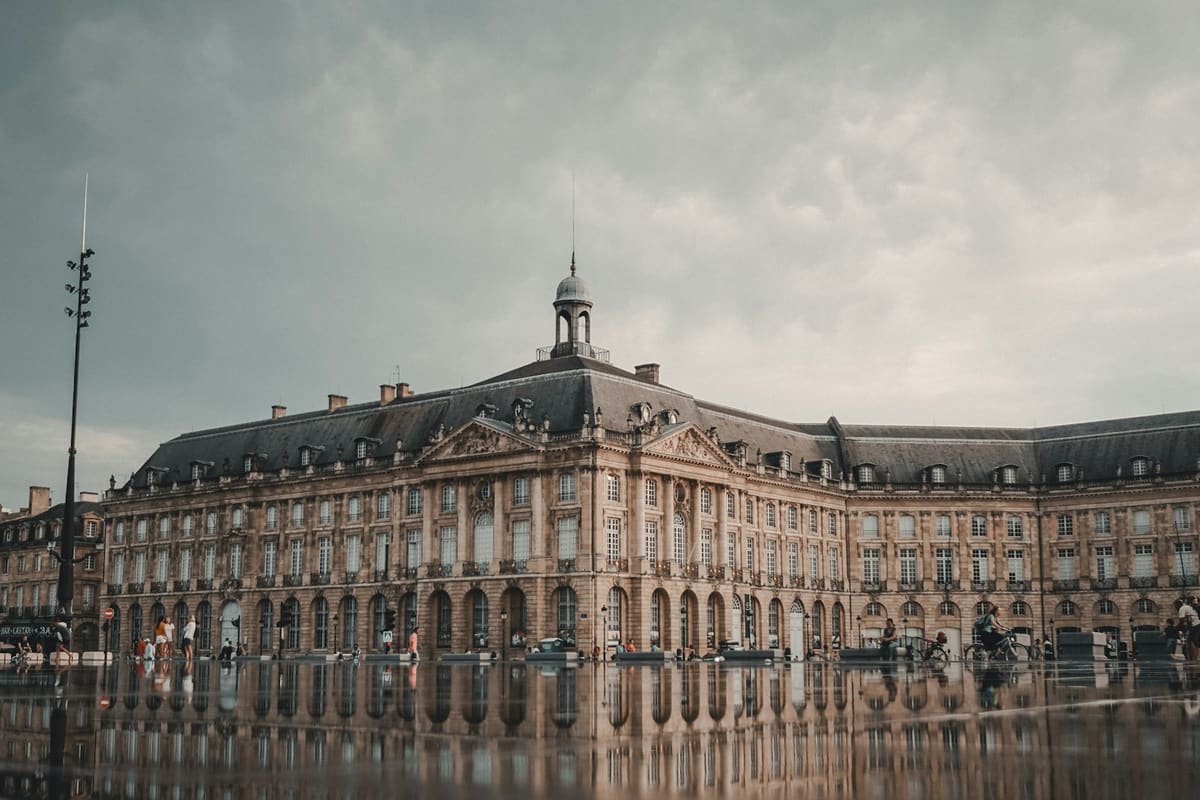
September is the month for the vineyards. The grape harvest, called the vendanges, usually runs from September to early October across Bordeaux, Burgundy and the Rhône. The exact dates move with the weather each year. Some châteaux pause visits on their busiest picking days, so we check before we book a tasting.
The weather is still warm in September, and the sea in the south holds its heat. October is crisp and golden, with autumn colour in the vines and the Dordogne woods. Paris is usually around 21°C (70°F) in September and 16°C (61°F) in October, which is good weather for walking.
Autumn is also the wettest season on the Mediterranean coast. Heavy storms can hit Provence and the Riviera in October and November. They tend to be short, but leave a little slack in the plan. Our Bordeaux and the Dordogne trip is at its best in this season.
Winter in France: Paris, markets and quiet museums (November to March)
Winter is cold in the north and mild in the south. Paris is usually around 7–8°C (45–46°F) in January, with grey days and early dark. Nice is milder, around 13°C (55°F), and often sunny.
The upside is space. The Louvre and the Musée d'Orsay are calmer, the cafés are warm, and hotel rates are usually lower outside the Christmas and New Year weeks. From late November, the Christmas lights go up on the Champs-Élysées and the Christmas markets open, the best known in Strasbourg. The third Thursday of November brings the year's Beaujolais Nouveau to every bistro.
The trade-off is that the countryside sleeps. Some Loire châteaux shorten their hours, Monet's garden at Giverny closes, and many Provence village restaurants close for the season. A winter trip works best as a city trip: Paris, Lyon and Bordeaux, with a warm day trip or two.
Month by month at a glance
| Month | Weather | Crowds | Good for |
|---|---|---|---|
| January | Cold in the north, mild and sunny in the south | Low | Quiet museums, winter sales |
| February | Cold and grey in Paris, mild on the coast | Low | City breaks, lower rates |
| March | Cool, spring starting in the south | Low, building | Paris before the crowds |
| April | Mild, some showers. Paris around 16°C (61°F) | Moderate | Blossom, gardens opening |
| May | Warm and green | Busy around the holidays | Loire gardens, Giverny, long days |
| June | Warm, long evenings | Busy | First lavender, Normandy, the Riviera |
| July | Hot in the south, warm in Paris | Very busy | Lavender, Bastille Day |
| August | Hottest month. Riviera sea around 24–25°C (75–77°F) | Peak | Swimming, early starts |
| September | Warm and settled | Busy, easing | Wine harvest, warm sea |
| October | Mild and crisp. Storms possible in the south | Moderate | Autumn colour, the Dordogne |
| November | Cool, grey in the north | Low | Beaujolais Nouveau, quiet cities |
| December | Cold in the north, mild in the south | Moderate (holidays) | Christmas lights and markets |
It depends where you are going
France is big, and its regions keep different calendars. Paris works all year, but spring and early autumn are the easiest. The Loire Valley and Normandy are best from May to September, when the gardens are open and the coast is green.
Provence wants late May to early October, with July for the lavender. The Riviera wants June to September for the sea. Bordeaux and the Dordogne are at their best from May to October, and best of all at the harvest. The Alps and Corsica keep their own seasons and are not covered in this guide.
If you are combining regions, spring and autumn are the safest choice. The whole country is pleasant at once, and the trains between Paris and the south are easier to book than in summer. You can see all of our France trips in one place.
How we plan around the seasons
We plan France around your dates, not a fixed departure. That might mean Provence in early July for the lavender, Bordeaux in September for the harvest, or a winter Paris with a quiet Louvre. Tell us roughly when you can travel, and we will say honestly where France is at its best that month.
For a first trip, our Essence of France and Best of France cover Paris and Provence, and the second adds the Loire Valley. Provence and the Côte d'Azur is built for the south. Loire Valley and Normandy suits spring and early summer, and Epic France adds Lyon.
Not sure how long to stay? Read our 10-day France itinerary or 2-week France itinerary. One planner stays your contact from the first email to the flight home.
Frequently asked questions
What is the best month to visit France?
For most travellers, June and September are the best months. The weather is warm, the days are long, and the crowds are lighter than in July and August. September adds the wine harvest.
When is lavender season in Provence?
The lavender usually flowers from mid-June to early August, and it is at its best in early to mid-July. The fields on the Valensole plateau are cut from about mid-July, so go earlier rather than later.
When is the cheapest time to visit France?
November to March is usually the cheapest, outside the Christmas and New Year weeks. Paris is cold and grey but quiet, and many countryside restaurants close for the season.
Is August a bad time to visit France?
Not bad, but busy and hot. The coast and the roads south are at their fullest, above all around 15 August. Some small shops and restaurants in Paris close for a few weeks. Book early and plan early starts.
When is the grape harvest in France?
The harvest, called the vendanges, usually runs from September to early October in Bordeaux, Burgundy and the Rhône. The exact dates move with the weather, so tell us your dates and we will check.
Is Paris worth visiting in winter?
Yes, if you like museums, cafés and fewer people. Expect around 7–8°C (45–46°F) in January and early dark. From late November the Christmas lights and markets make December especially good.
 Quick cookie chat