The short answer
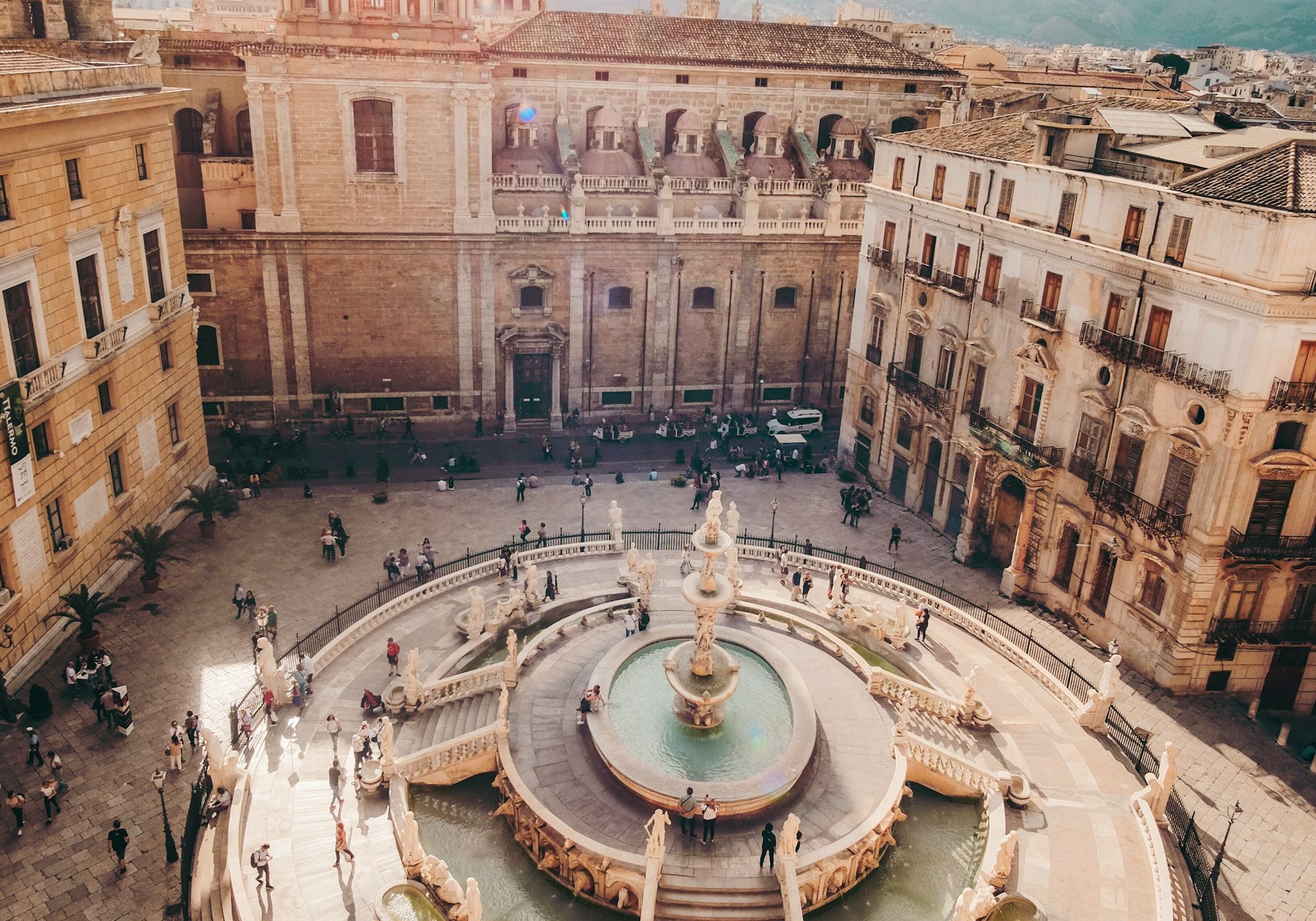
Visit Sicily because it is not quite Italy. It is Italy plus the Moors, the Normans, the Greeks, and the Spanish all layered on top of each other in the same small island. Palermo is a port city with street food that rivals Naples, Baroque churches that rival Rome, and a chaos and energy that is entirely its own. Taormina sits on a volcanic slope with views of Mount Etna. The Valley of the Temples in Agrigento is Greek antiquity in a Sicilian landscape. Syracuse's Ortygia island is a medieval town that has made no apologies for its disorder and charm. The people are southern Italian — louder, more passionate, more likely to invite you to dinner. The food is extraordinary. And unlike the art cities of northern Italy, Sicily rewards you for wandering without a plan.
What makes Sicily different
Sicily is Italy, but it is also not Italy. It is the southernmost region of Italy, but because it is an island, it feels separate — culturally, historically, and in the rhythm of daily life. The Greeks colonised it first, leaving temples. The Romans followed. Then came the Moors, who ruled for two centuries and left their imprint everywhere — in the architecture, the food, the names of towns and streets. The Normans conquered it next, and under Norman rule Sicily became the most sophisticated kingdom in medieval Europe. Then came the Spanish, then the French. Each invasion added a layer, and unlike continental Italy where cities specialise (Rome is ancient, Florence is Renaissance), Sicily contains all periods at once.
The food is distinctly Sicilian — pasta with sardines, arancini (rice balls), panelle (fried chickpea fritters), granita and brioche for breakfast. The culture is southern — louder, more emotional, and more likely to involve someone taking a genuine interest in your life. The climate is Mediterranean, with the longest summer in Italy — often warm and inviting from April to November.
Where to go in Sicily
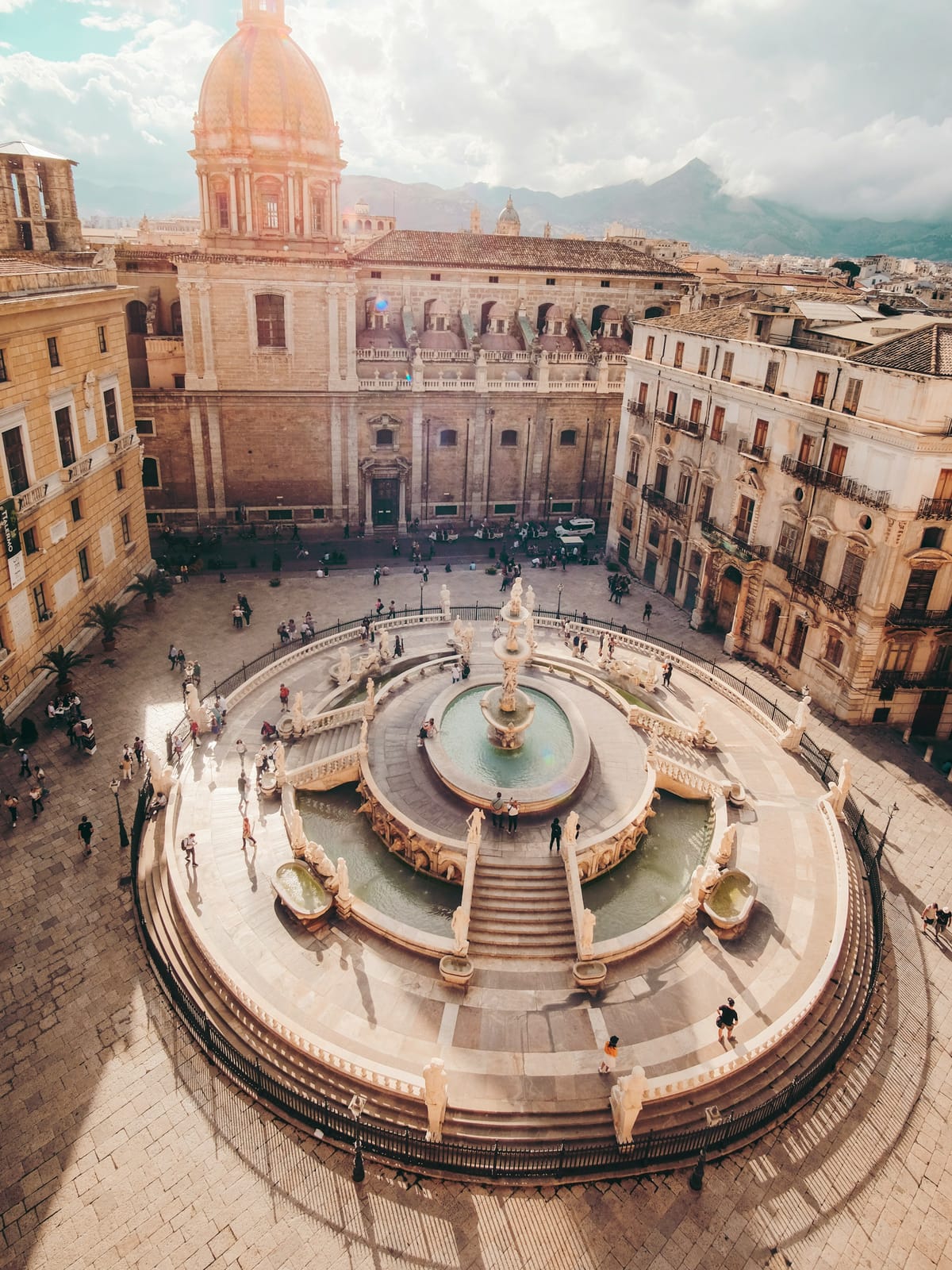
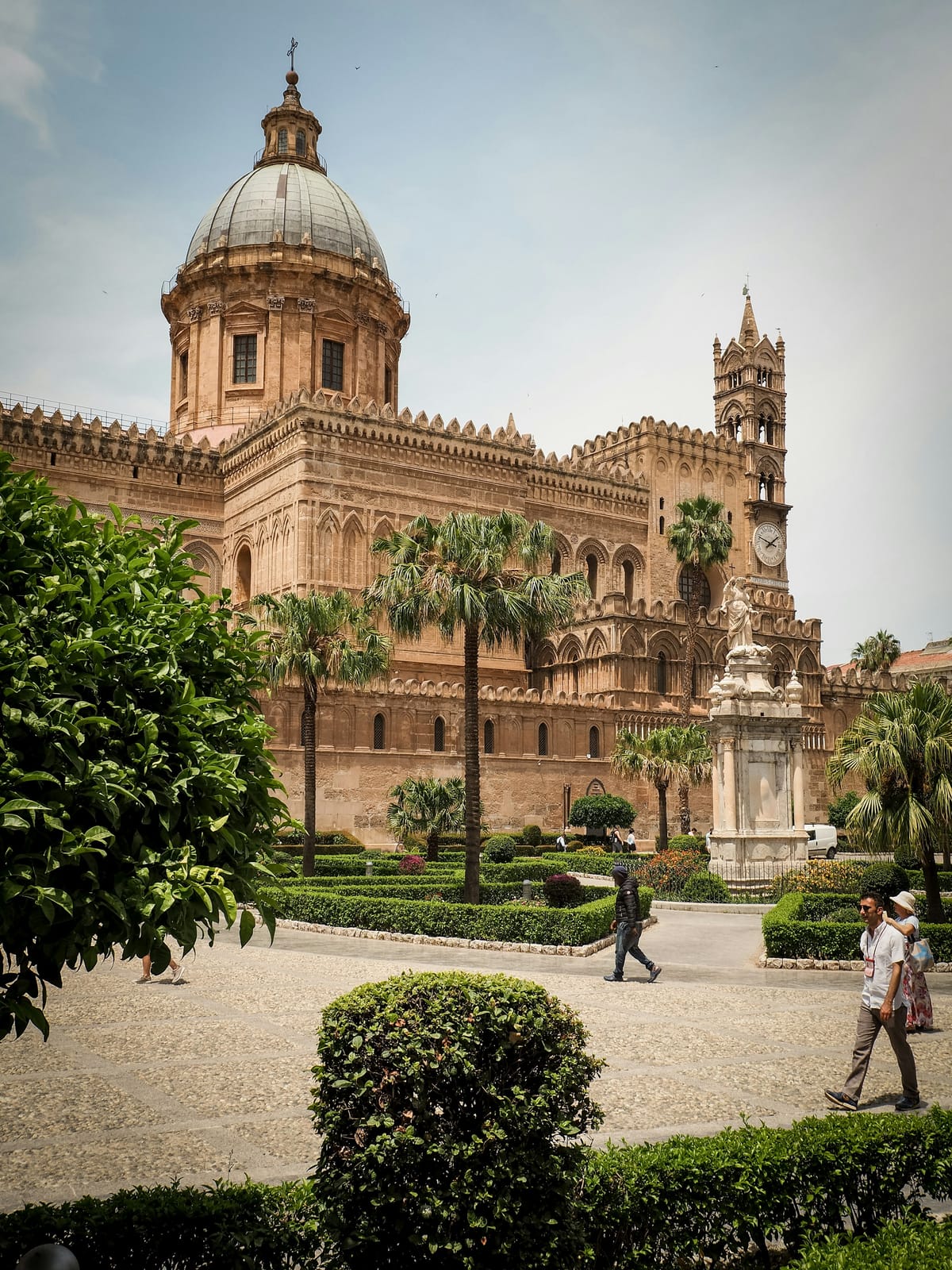
Palermo is the island's capital and its heart. It is a port city of 700,000 people where laundry hangs between buildings, street vendors sell street food at every corner (arancini, panelle, sfincione — Sicilian pizza), and the Baroque churches are as extraordinary as anything in Rome. The Mondello beach is twenty minutes away if you want the sea, but Palermo's soul is in the old streets and the markets — the Vucciria, the Capo, the Ballarò.
Taormina is a tourist town clinging to a cliffside, with Mount Etna rising across the sea. It is expensive and beautiful and full of people, but the views are worth it. The Greek theatre sits high above the town, and the main street (Corso Umberto) is lined with restaurants that cost too much and taste like they're trying. But Taormina is a base for exploring the eastern coast and Mount Etna.
The Valley of the Temples (Valle dei Templi) near Agrigento is an archaeological site that rivals Delphi or Athens — a series of Greek temples from the 5th century BCE, arranged on a hillside overlooking the sea, all golden stone in the evening light. It is worth a full day, or at least a dawn or sunset visit.
Syracuse (Siracusa) and its island neighbourhood Ortygia is a medieval town with Greek and Roman ruins scattered through the streets. It is smaller and quieter than Palermo, less touristy than Taormina, and genuinely beautiful — the Duomo faces the Piazza in the morning light, and the evening passeggiata happens in real time, not for tourists.
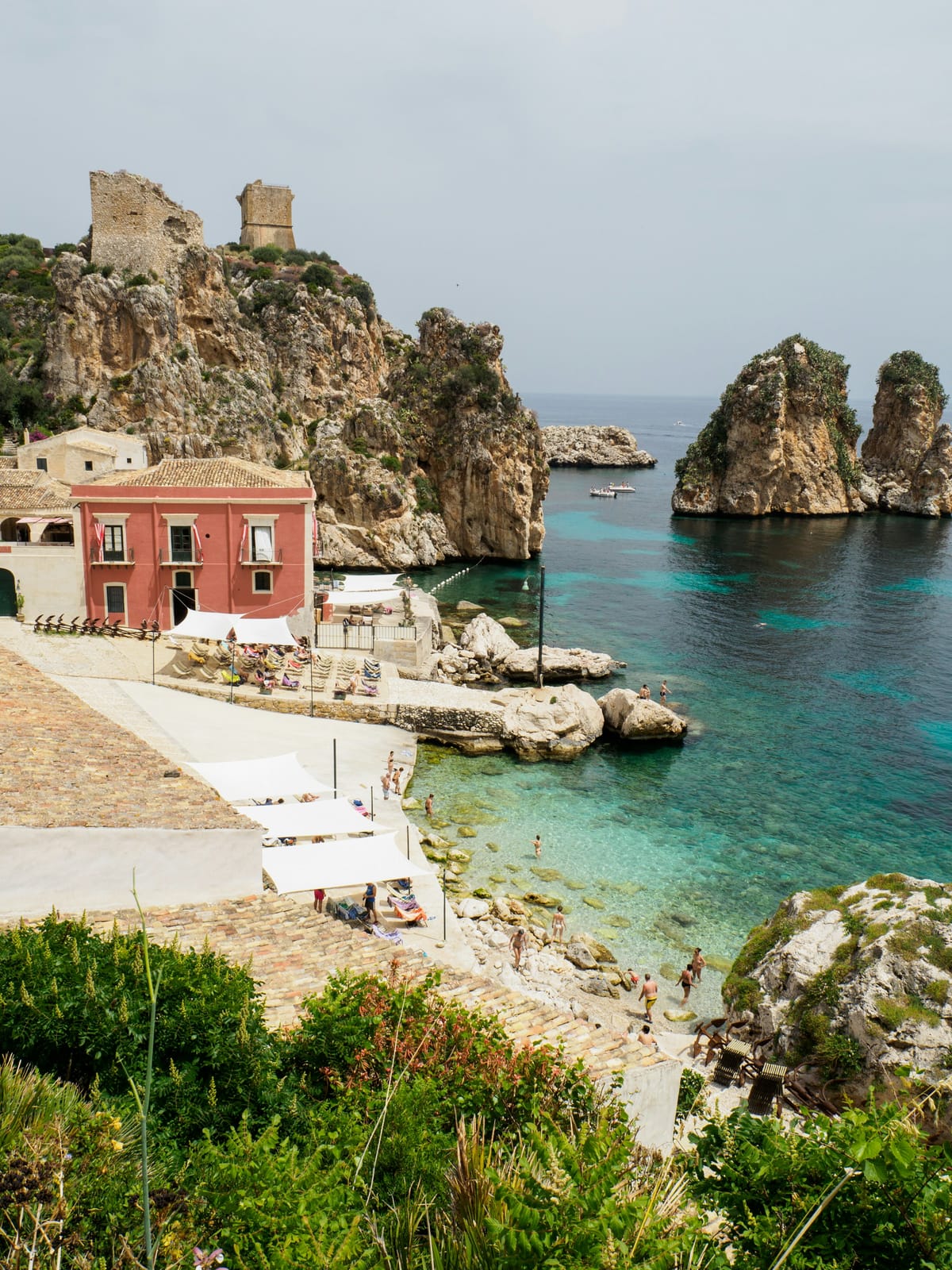
Mondello is the beach near Palermo. Mondello in June is different from Mondello in July — one is quiet, the other is packed. Mondello is not a village; it is a strip of beach resort that exists to serve the beach. Worth a morning or an afternoon, not a full day.
Cefalù is a small fishing village on the north coast with a Norman church and a beach. Less touristy than Taormina, less chaotic than Palermo, worth a detour if you have time.
How many days in Sicily — with a quick reference
| Duration | Base(s) | What you can see |
|---|---|---|
| 5 days | Palermo | City thoroughly — markets, churches, neighbourhoods, street food. Day trip to Mondello. |
| 7 days | Palermo + Taormina | 3 days Palermo, 3 days Taormina, 1 day travel. Add day trip to the Valley of Temples. |
| 8 days | Palermo, Taormina, Syracuse | 3 days Palermo, 2 days Taormina (including Mount Etna), 3 days Syracuse. Or: Palermo, Valley of Temples, Taormina, Syracuse. |
| 10 days | Palermo, Mondello, Taormina, Syracuse | Loop the island — Palermo, beach, east coast, back west. Add day trip to Agrigento or Cefalù. |
The Sicilian itinerary — a practical route
Land in Palermo. Spend two full days there — the markets, the street food, the Mondello beach if you want sea. Day three, drive east (about 4 hours) toward Taormina. Stop at Cefalù if it appeals (it is on the way). Spend two days in Taormina — one for Mount Etna (drive or guided hike), one for the town and the Greek theatre. Day six, drive south along the coast (about 1.5 hours) to Syracuse. Spend two days there — Ortygia and the neighbouring coast. On day nine, you can fly back from Catania (between Taormina and Syracuse), or drive west (about 3 hours) to Agrigento for the Valley of Temples and then to the airport.
This is a rough framework. You might skip Taormina and spend more time in Palermo and Syracuse. You might go south to the small towns (Noto, Modica, Ragusa — the Baroque triangle) instead of the coast. You might hire a driver for the whole week and follow the coast north and around. Sicily is small enough that you can reach anywhere in a few hours, and rewarding enough that long drives feel like part of the trip, not a detraction from it.
Getting around — drivers, not trains
Sicily has trains, but they are slower than the rest of Italy. A private driver is the right choice for Sicily. The roads are excellent, the scenery is continuous, and a driver lets you stop whenever something catches your eye — a small village, a beach, a restaurant someone recommended. Palermo airport is the main entry point. Catania airport is the eastern point.
The island is small enough that most distances are 2–4 hours by car. Palermo to Taormina is 4 hours. Taormina to Syracuse is about 1.5 hours. The drives are along the coast, through small towns, and over the interior — all beautiful.
Ferries connect to small islands (Egadi Islands off the west coast, Aeolian Islands off the north) if island-hopping appeals. Most visitors focus on the main island.
First-timer notes — money, language, culture
Money: Sicily is cheaper than Rome or Florence, though touristy spots like Taormina cost more. Palermo's street food is 2–5 euros a piece. A meal in a neighbourhood trattoria is 20–30 euros for a full meal (pasta, drink, dessert). The sea urchin pasta (ricci di mare) is expensive but worth it.
Language: English is spoken in hotels and restaurants in the main towns, less so in villages. A phrase book or a translation app helps.
Culture: Sicilians are southern Italian — warm, loud, more likely to invite you to eat with them. Honour that. Accept the invite. Sit where locals sit, eat what they eat. Sicily rewards the traveller who is open to chaos and improvisation.
Best time: April to June and September to November. July and August are hot and crowded in Taormina, but Palermo and the interior stay manageable. December to March is cool but mostly fine.
Entry: US and Canadian passport holders can visit Italy (including Sicily) for up to 90 days without a visa. Ensure your passport is valid for the duration of your stay.
How we plan your Sicily trip
Sicily is a destination in its own right — not an add-on to Italy, but a separate journey. We book the hotels, arrange a private driver for the entire week, coordinate the guides in Palermo and Syracuse if you want historical context, and handle all the logistics so you can simply travel. Tell us roughly how many days you have and what draws you — Palermo's chaos, Taormina's beauty, the Greek temples, the baroque towns — and we'll shape the itinerary. A real human replies within one working day.
Frequently asked questions
How many days do you need in Sicily?
Seven to ten days is ideal to loop the highlights — Palermo, the coast, Taormina, and Syracuse — at a comfortable pace. Five days works if you base yourself in Palermo or Taormina and take a day trip or two. Less than five days means you're only seeing one city.
Is Sicily worth a separate trip, or should I add it to mainland Italy?
Both work. Sicily is distinct enough culturally and historically that it feels like its own journey — we recommend it as a solo trip. But you can add it to an Italy itinerary by flying from Rome to Palermo and flying back from Catania. Many people do both — mainland Italy one trip, Sicily the next.
What is the best time to visit Sicily?
April to June and September to November are ideal — warm and sunny without the peak summer heat. Taormina gets very crowded in July and August. Palermo is fine year-round. Winter is cool but mostly pleasant.
Is Taormina worth the expense and crowds?
Yes, for the views and the Greek theatre. But if you prefer authentic and quieter, Syracuse is better — medieval, real, and equally beautiful. We can skip Taormina and spend more time on the coast or in Palermo.
What's the food like in Sicily?
Extraordinary and distinct from mainland Italy. Pasta with sardines (pasta alla sardina), arancini (rice balls), panelle (fried chickpea fritters), street pizza (sfincione), granita and brioche for breakfast. The seafood is fresh and incredible — sea urchin pasta, swordfish, fresh fish in general. It is worth coming just to eat.
Do I need a car rental, or should I get a driver?
A private driver is better. The roads are fine, but having someone else navigate means you can look at the view, stop whenever something interests you, and experience the island rather than manage it.
 Quick cookie chat