
The short answer
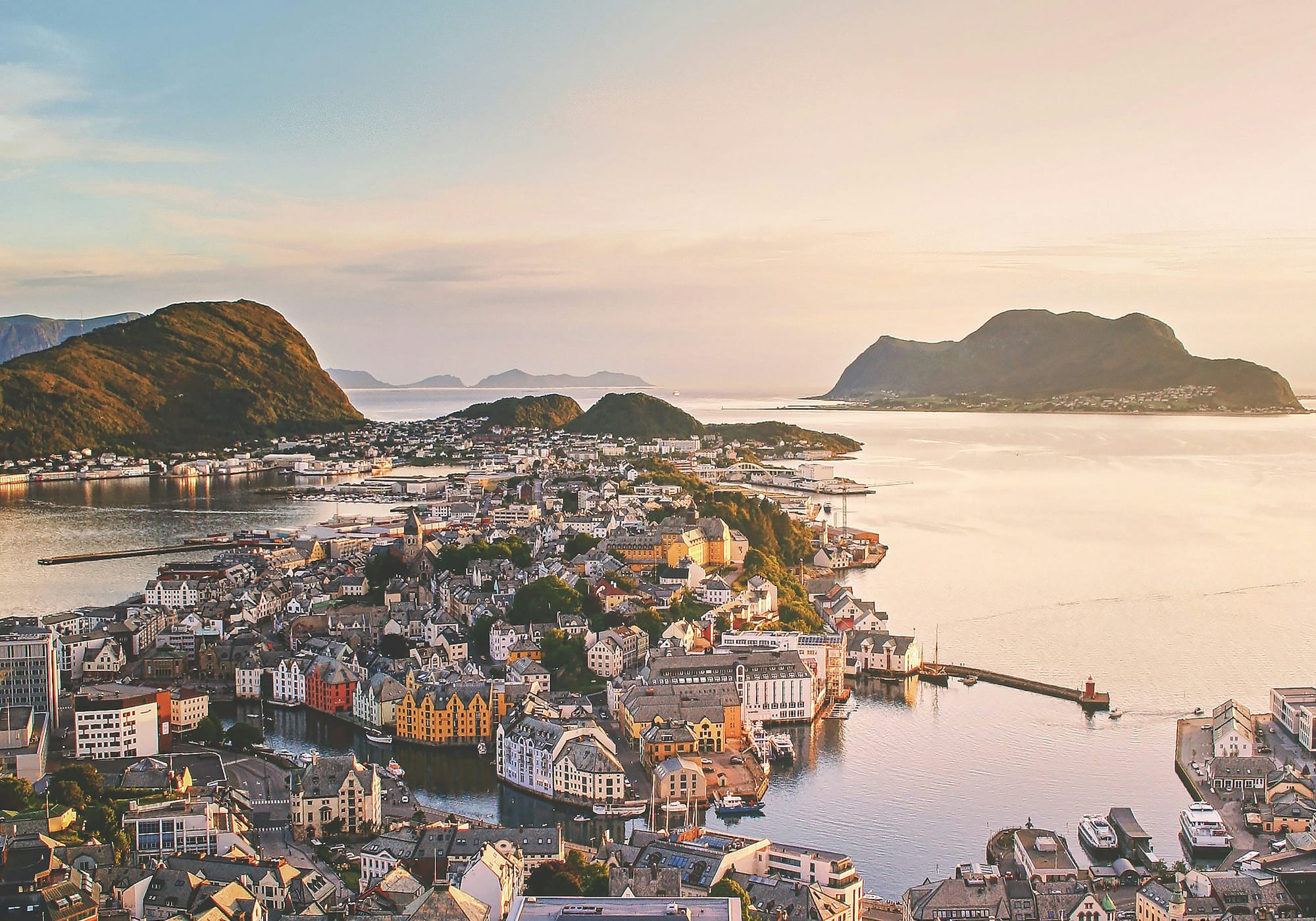
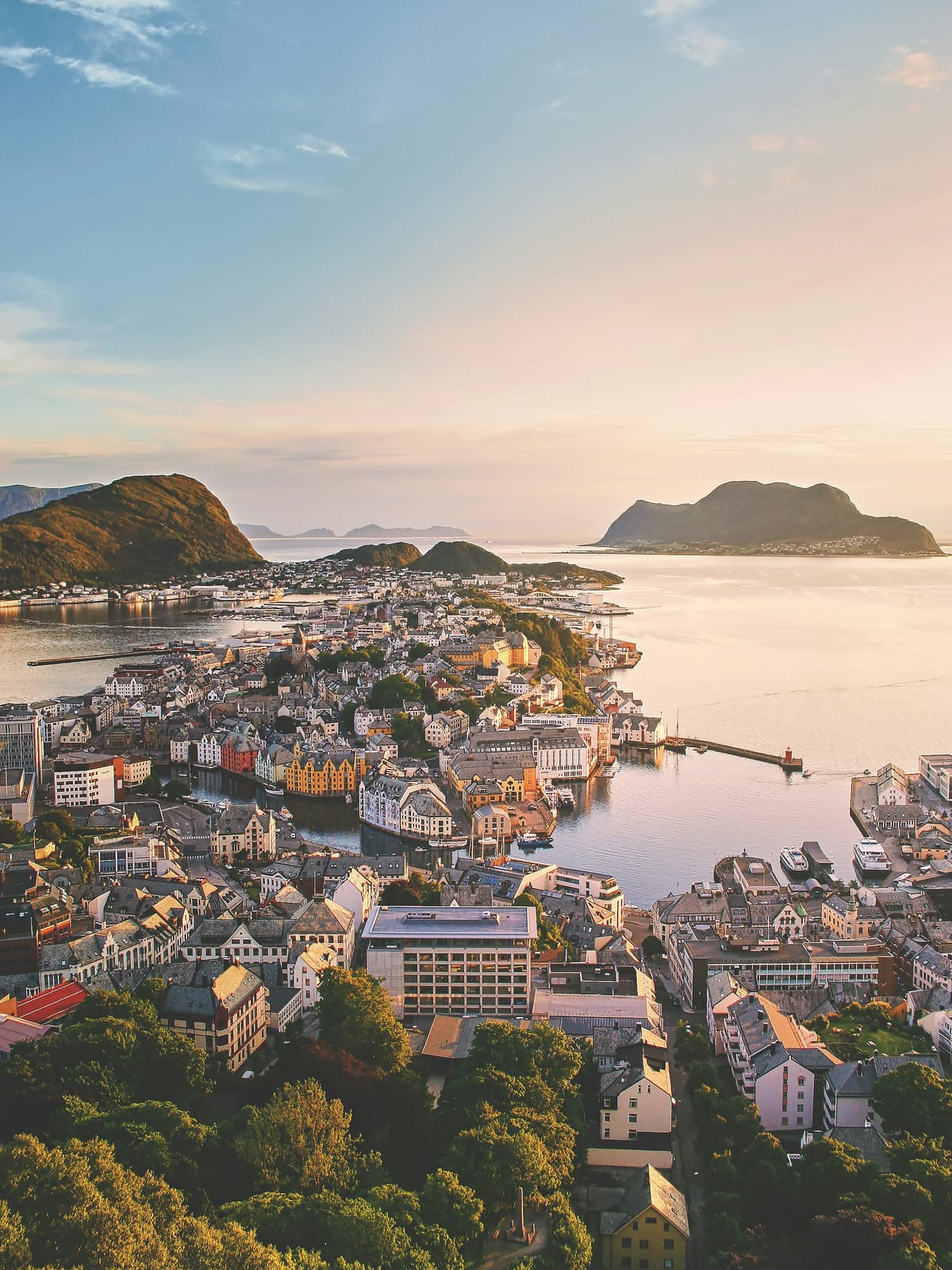
Scandinavia rewards the slow traveler. A journey through Denmark, Norway, Sweden, and beyond unfolds over night ferries, fjord railways, and long summer evenings where the sun barely sets. Copenhagen is design and hygge; Oslo and Bergen offer Viking history and mountain gateways; Stockholm spreads across fourteen islands; and Finland rewards anyone chasing the Arctic—whether the Northern Lights or the midnight sun.
Most travelers visit Scandinavia in May through September, when the weather is stable and the long daylight makes every hour feel like it stretches twice as far. Two weeks is the ideal window—enough time to pair Copenhagen with the Norwegian fjords, add Stockholm, and still feel unhurried.
Why Scandinavia
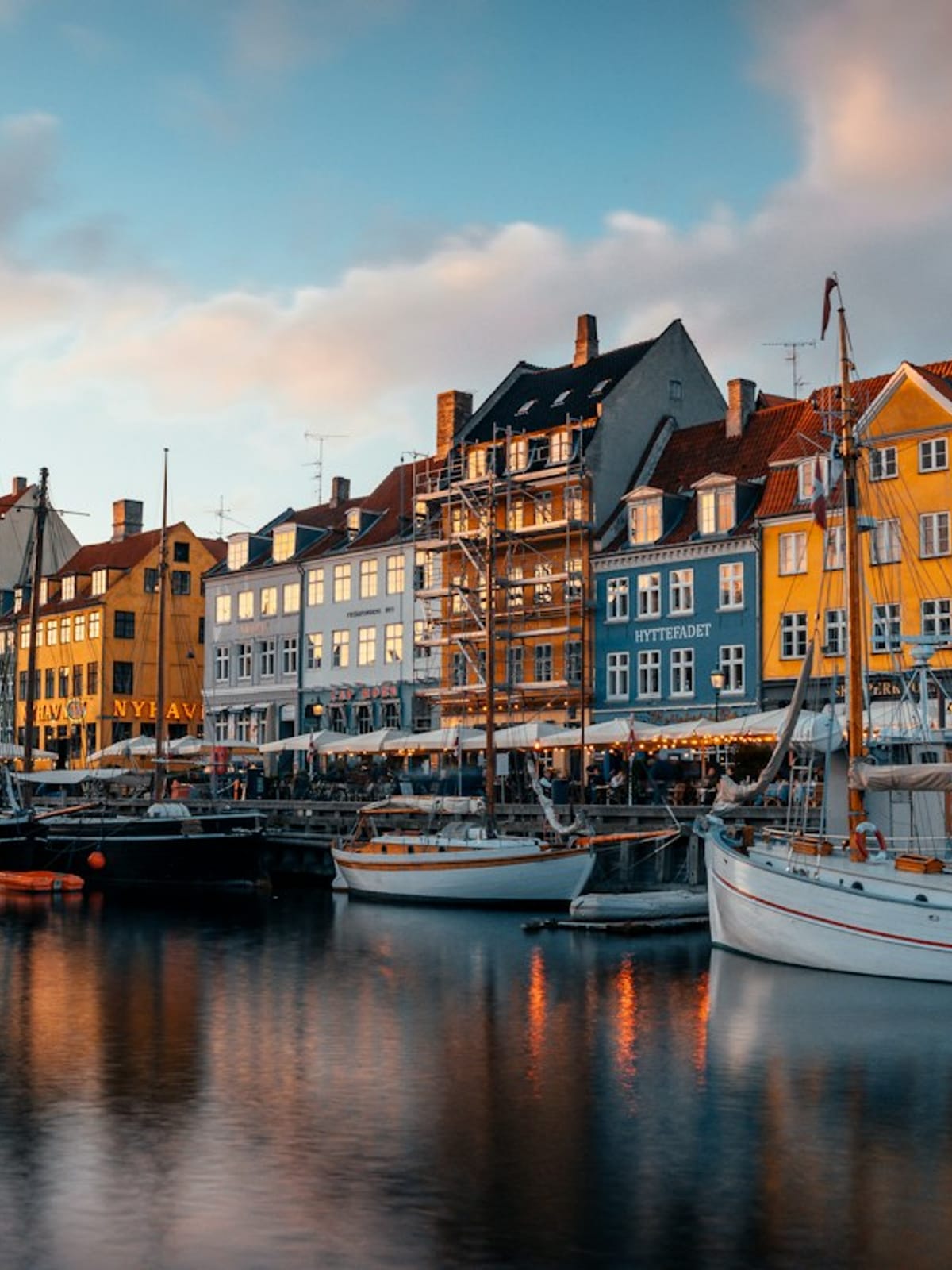
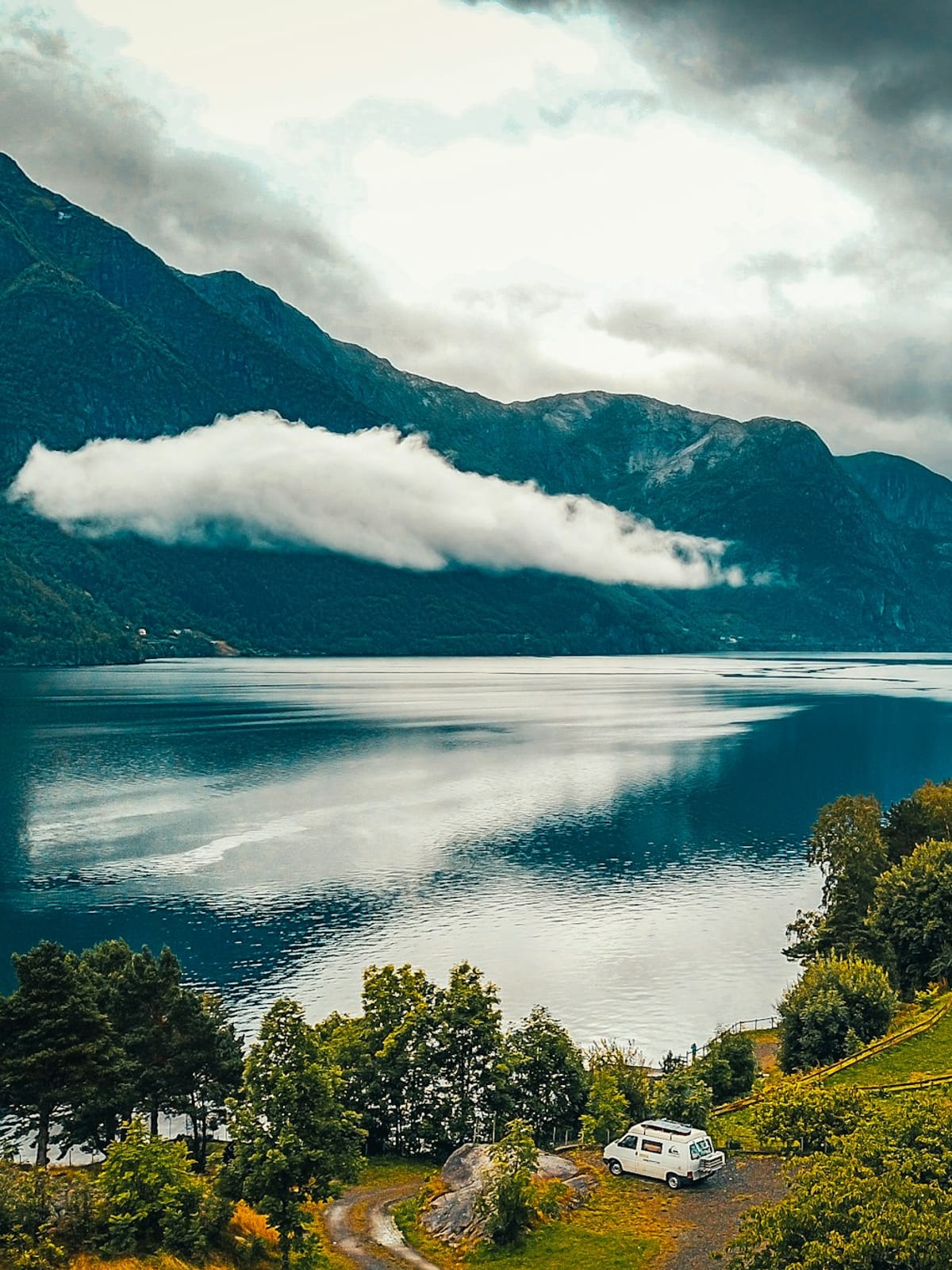
Scandinavia is architecture, light, and landscape all at once. In Copenhagen you'll find Nyhavn's candy-colored façades and some of the world's finest modern design museums. An overnight ferry takes you to Oslo, where the Vigeland Sculpture Park spreads across a hundred acres of hillside (the Viking Ship Museum is closed for rebuilding until about 2027). From Oslo, the Bergen Railway climbs through the mountains, and from the coast at Flåm the famous Flåm Railway descends into the Nærøyfjord—a gorge so narrow you can almost touch both walls from the train.
Stockholm is built on water, its palaces and museums scattered across an archipelago you can island-hop by ferry. Further north, Swedish Lapland turns into Finnish Lapland, where the glass igloos and snow sauna experiences feel like you've left the planet. And if you venture to Iceland—culturally Scandinavian though geographically separate—you find geysers, glaciers, and waterfalls that look photoshopped.
The cities to prioritize
Copenhagen deserves two nights minimum—Nyhavn for the postcard light, the Carlsberg Brewery and Danish design museums for context, and some of the world's best restaurants if that's your angle. If you're serious about Copenhagen, add Louisiana Museum on the coast north of the city, and Kronborg Castle at Helsingør, both easily reached by regional train.
Oslo rewards three nights. The Vigeland Sculpture Park is non-negotiable (the Viking Ship Museum is closed for rebuilding until about 2027); add the Munch Museum (The Scream in person is haunting), and a day on the Oslo Fjord if the season allows. From Oslo, the Bergen Railway, with a detour down the Flåm Railway, is the classic mountain route to Bergen. Bergen itself—surrounded by seven mountains, its Bryggen wharf a UNESCO old-town—deserves at least two nights.
Stockholm spreads itself across more ground and more islands than Copenhagen. Three nights lets you explore the Royal Palace and Gamla Stan (the medieval old town), the Vasa Museum (the ship that sank before it sailed), and the open-air Skansen. A day trip to Drottningholm Palace by ferry is worth the time.
For first-timers, prioritize Copenhagen, Oslo or Bergen, and Stockholm. For a second visit, add a night in the Norwegian mountains near Flåm, or push north to Swedish Lapland or Finnish Lapland if the Northern Lights season (September–March) tempts you.
How many days you need
Ten days is the minimum for a satisfying Scandinavian trip, and even that requires choosing between routes. Twelve to fourteen days is where Scandinavia really opens up—you can linger instead of rushing between capitals.
| Duration | Route | Pace |
|---|---|---|
| 7 days | Copenhagen → Oslo or Bergen | Brisk, one night ferry, main sights only |
| 9 days | Copenhagen → Oslo → Flåm → Bergen → flight to Stockholm | Moderate, includes fjord railway, two cities deeply |
| 12 days | Copenhagen → night ferry to Oslo → Flåm Railway → Bergen → Stockholm → island day trips | Relaxed, allows lingering and optional add-ons like Drottningholm |
| 14+ days | All of above plus Swedish Lapland, Finnish Lapland, or Iceland Ring Road | Unhurried, time for side routes and second cities |
When to visit
Scandinavia is a year-round destination, but most travelers come May through September. May and June give you near-24-hour daylight (the further north, the closer to true midnight sun), stable weather, and everything open. July is peak summer with the warmest weather—perfect for the fjords and Stockholm archipelago—but ferries and hotels book solid. September is magic: golden light, fewer tourists, and the season still warm enough to enjoy the coast.
Winter (November–March) brings the Northern Lights to northern Norway, Swedish Lapland, and Finland. It's cold and dark in the south, but Helsinki and Copenhagen stay beautiful and festive. January through March offers the glass igloos and snow experiences of Finnish Lapland, dog sledding in northern Norway, and the frozen lakes. April and October are shoulder seasons—fewer crowds, unpredictable weather—good for travelers who want solitude and don't mind a jacket.
Getting around
Scandinavia's transport is excellent and frequent. Night ferries (DFDS and Tallink Silja) connect Copenhagen to Oslo and Stockholm to Helsinki—they're not just transport but part of the experience, turning a night's travel into a mini-cruise. The Bergen Railway from Oslo to Bergen is one of Europe's most scenic train routes, passing through mountains and plateaus. The Flåm Railway—a branch line down the Nærøyfjord—is nearly vertical and takes an hour to descend into some of the narrowest fjord scenery you'll ever see.
Between cities, high-speed trains are reliable and frequent (Copenhagen–Oslo takes overnight or about 6.5 hours by day; Stockholm is about 5 hours from Copenhagen by rail). We arrange domestic flights where they save time—Oslo to Bergen is easily done by train, but Tromsø or Finnish Lapland from the south demands flying. Within cities, public transport is superb: Copenhagen's metro and S-trains, Oslo's trams, Stockholm's subway and ferries, and Helsinki's tram network are all fast, safe, and run on time. We use private drivers and guides where the roads are remote—the Flåm Valley, for example, or Lapland.
First-timer mistakes to avoid
Don't pack for summer alone. Even in July and August, Scandinavian nights can be cool, and mountain areas are chilly. Bring layers, a jacket, and waterproof clothes—Norway especially rewards rain gear. Don't assume everything is open year-round; many coastal hotels, restaurants, and ferries have seasonal closures (some shut November–March). Confirm details if you're traveling outside May–September. Don't expect cheap beer or food—Scandinavia is expensive, though your hotel breakfast is usually generous and public transport passes are solid value. Don't miss the smaller cities thinking the capitals contain all: Kronborg at Helsingør, the Hardangerfjord near Flåm, Swedish Dalarna's woodcraft villages—these detours repay the time. Don't rush the ferries. A night on a DFDS ferry is not an inconvenience; it's part of traveling Scandinavia with ease.
Practical notes for US and Canadian travelers
US and Canadian citizens need a valid passport (valid for six months beyond your stay) for entry to Denmark, Norway, Sweden, Finland, and Iceland. As of 2024, you do not need a visa for stays under 90 days. Check the latest government travel advisories—rules can shift. Currency: Denmark uses the Danish krone, but Copenhagen is increasingly card-friendly. Norway does not use the euro and has its own currency (krone) even though it's surrounded by the EU. Sweden uses the Swedish krona, Finland uses the euro, and Iceland has its own króna. Bring a credit card with no foreign-exchange fees, as Scandinavian shops and restaurants expect cards far more than cash. Language: English is widely spoken, especially in cities and among younger people. Copenhagen, Oslo, Stockholm, and Helsinki are all English-friendly. The further you go (small villages, remote fjords), the more useful a phrase book or translation app becomes. Tipping: Service is included in restaurant bills, and tips are not expected but are appreciated—round up or leave 5–10% if the service was excellent. Public restrooms sometimes cost a small coin.
How we plan your Scandinavia trip
Because every Black Deer Travel trip is private and custom, we build your Scandinavian itinerary around your calendar, your pace, and what you actually want to see. If you love design and food, Copenhagen and Stockholm; if you want mountains and water, the fjords and islands dominate. We arrange the night ferries (they book fast), secure spots on the famous Flåm Railway and the Nærøyfjord cruises, and pair them with private guides who know each city's quietest neighborhoods and best restaurants. Tell us your dates and your interests, and we'll route you through Scandinavia in a way that feels earned rather than ticked off.
Frequently asked questions
What is the best time to visit Scandinavia?
May through September offers stable weather, long daylight, and everything open. June and September are ideal—warm and less crowded than July. For the Northern Lights, visit November through February in the north (Norway, Swedish Lapland, Finland).
How many days do you need in Scandinavia?
Ten days is minimum for Copenhagen, Oslo, and Stockholm. Twelve to fourteen days is ideal, allowing you to add the Norwegian fjords, Swedish Lapland, or Iceland without rushing. Two weeks lets you go deep—multiple night ferries, train journeys, and actually enjoy each place.
Do I need to speak Scandinavian languages?
No. English is widely spoken in cities, hotels, restaurants, and public transport across Denmark, Norway, Sweden, Finland, and Iceland. Learning a few phrases is polite and helps in remote villages, but you'll navigate major cities comfortably with English.
Is Scandinavia expensive?
Yes—Scandinavia is among Europe's pricier regions. Budget for 20–30% higher restaurant and accommodation costs than Western Europe averages. Food and beer are especially costly. Hotel breakfasts are usually generous, public transport is reliable, and many museums offer good value.
What is the Flåm Railway and is it worth visiting?
The Flåm Railway is a 20-kilometer steep descent from the mountains to the Nærøyfjord via a working train that opened in 1940. It's one of Europe's most scenic rail journeys and worth the detour—the hour-long ride is half the point, and the Nærøyfjord itself (UNESCO-listed) is the narrowest in Europe.
Can I see the Northern Lights in Scandinavia?
Yes, but only in the far north (Norwegian Tromsø, Swedish Lapland, Finnish Lapland) and only September–March when nights are long and dark. The best viewing is December–February. Success is never guaranteed—aurora chasing is a forecast-dependent game.
 Quick cookie chat