
The route at a glance
Fly into Oslo, fly home from Bergen. In between: Oslo (2 nights) → Flåm (1 night) → Voss or Gudvangen (1 night) → Bergen (2 nights), with most of the travel by train and boat. This 7 day Norway itinerary is the classic route across southern Norway, from the capital over the Hardangervidda mountain plateau to the Sognefjord region and down to the west coast. Use it as your first week in Norway: it covers the big sights without long driving days. It does not reach the north. Tromsø, the Lofoten Islands and the Northern Lights are a separate trip, because they are over 1,000 km away.
Day-by-day overview
| Day | Base | What you do |
|---|---|---|
| 1 | Oslo | Arrive at Oslo airport (the Flytoget train takes about 20 minutes), Opera House, Karl Johans gate and Aker Brygge waterfront |
| 2 | Oslo | Bygdøy peninsula and its Fram or Kon-Tiki museum, the National Museum with Munch's The Scream, Vigeland Sculpture Park |
| 3 | Flåm | Bergen Railway to Myrdal (about 4.5 hours), then the Flåm Railway down to the fjord (about 1 hour) |
| 4 | Voss or Gudvangen | Cruise the Nærøyfjord from Flåm to Gudvangen (about 2 hours), then the Stalheim viewpoint and Stalheimskleiva road |
| 5 | Bergen | Drive or train to Bergen, Bryggen wharf, fish market, Fløibanen funicular |
| 6 | Bergen | Day trip to the Hardangerfjord: orchards, farm cider, and Vøringsfossen waterfall |
| 7 | Bergen | Fish market and Bryggen in the morning, transfer to Bergen airport (about 25 minutes) |
Oslo: two nights
Oslo is compact, clean and easy to walk. The first evening is for the waterfront: the Opera House, whose white roof you can walk up for a view over the harbour, then dinner at Aker Brygge. On the second day, the Viking Ship Museum on the Bygdøy peninsula is home to the Oseberg and Gokstad ships, preserved in burial mounds for over a thousand years. The museum is closed for rebuilding until about 2027, so until it reopens we spend the day on Bygdøy at the Fram or Kon-Tiki museum instead. Check opening dates before you travel.
In the afternoon, the National Museum has Edvard Munch's The Scream among its Norwegian art, and Vigeland Park has 212 granite and bronze figures by Gustav Vigeland, free to enter and open all day. Two nights is enough for these three or four sights and a slow dinner.
Flåm and the Nærøyfjord: two nights
Day three is the most scenic travel day in the country. The Bergen Railway climbs from Oslo to the Hardangervidda plateau, which is above the tree line, at about 1,237 metres at its highest point, then reaches Myrdal. There you change to the Flåm Railway, a 20 km line that drops almost 900 metres to the fjord in about an hour, one of the steepest standard-gauge railways in the world. The train stops at Kjosfossen waterfall, 93 metres high, and then runs down to Flåm, a small village at the innermost end of the Aurlandsfjord.
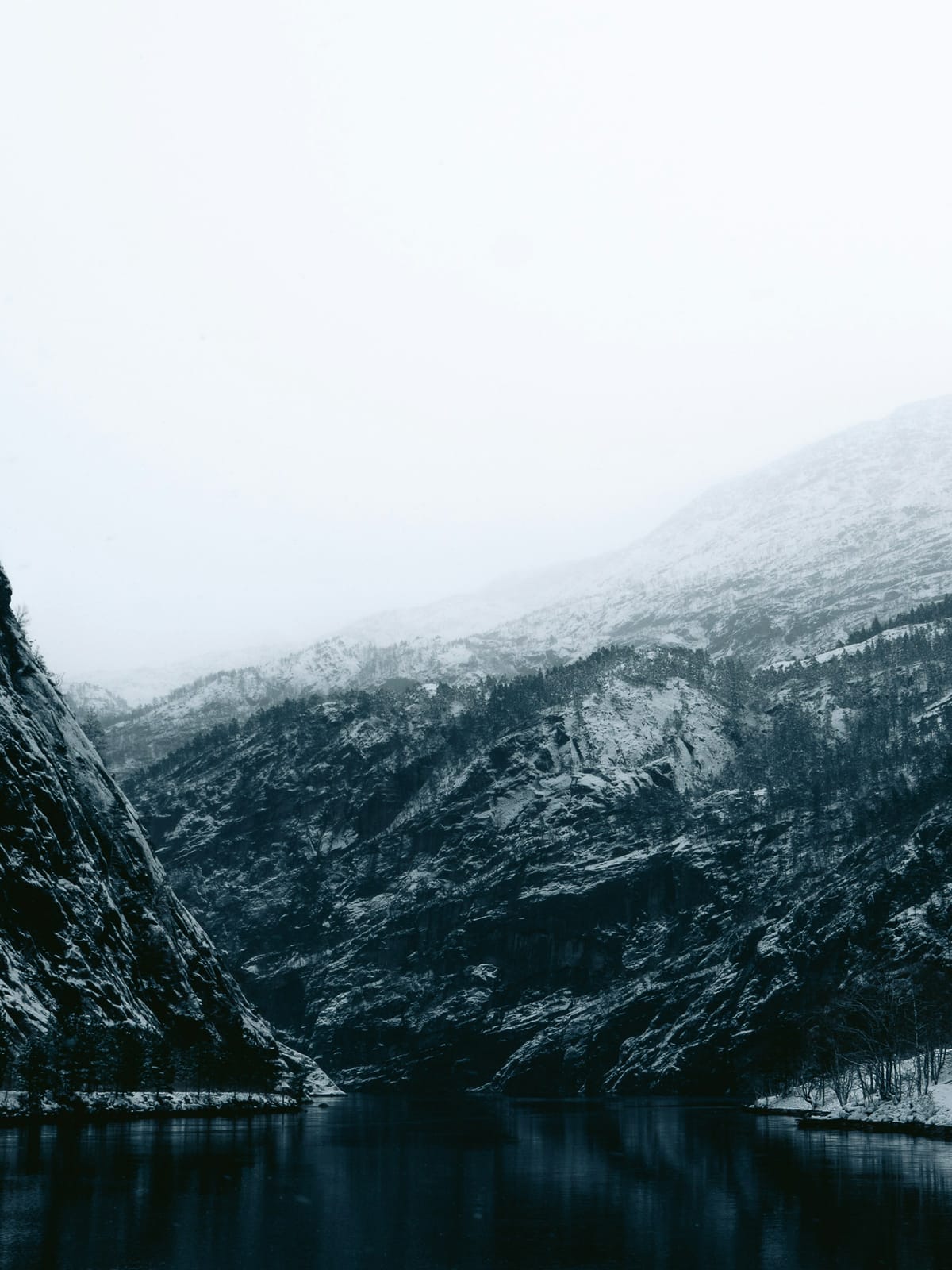
On day four, take the boat from Flåm to Gudvangen along the Nærøyfjord, a UNESCO World Heritage fjord that narrows to about 250 metres in places, with walls rising over 1,000 metres. The cruise takes about 2 hours. Waterfalls are strongest in May and June, during the snowmelt. From Gudvangen, the road climbs to Stalheim by the Stalheimskleiva, a steep road with 13 hairpin bends that is open in summer, and a viewpoint over the valley. We sleep in Voss or at Gudvangen, depending on the dates and what is open.
Bergen: two nights
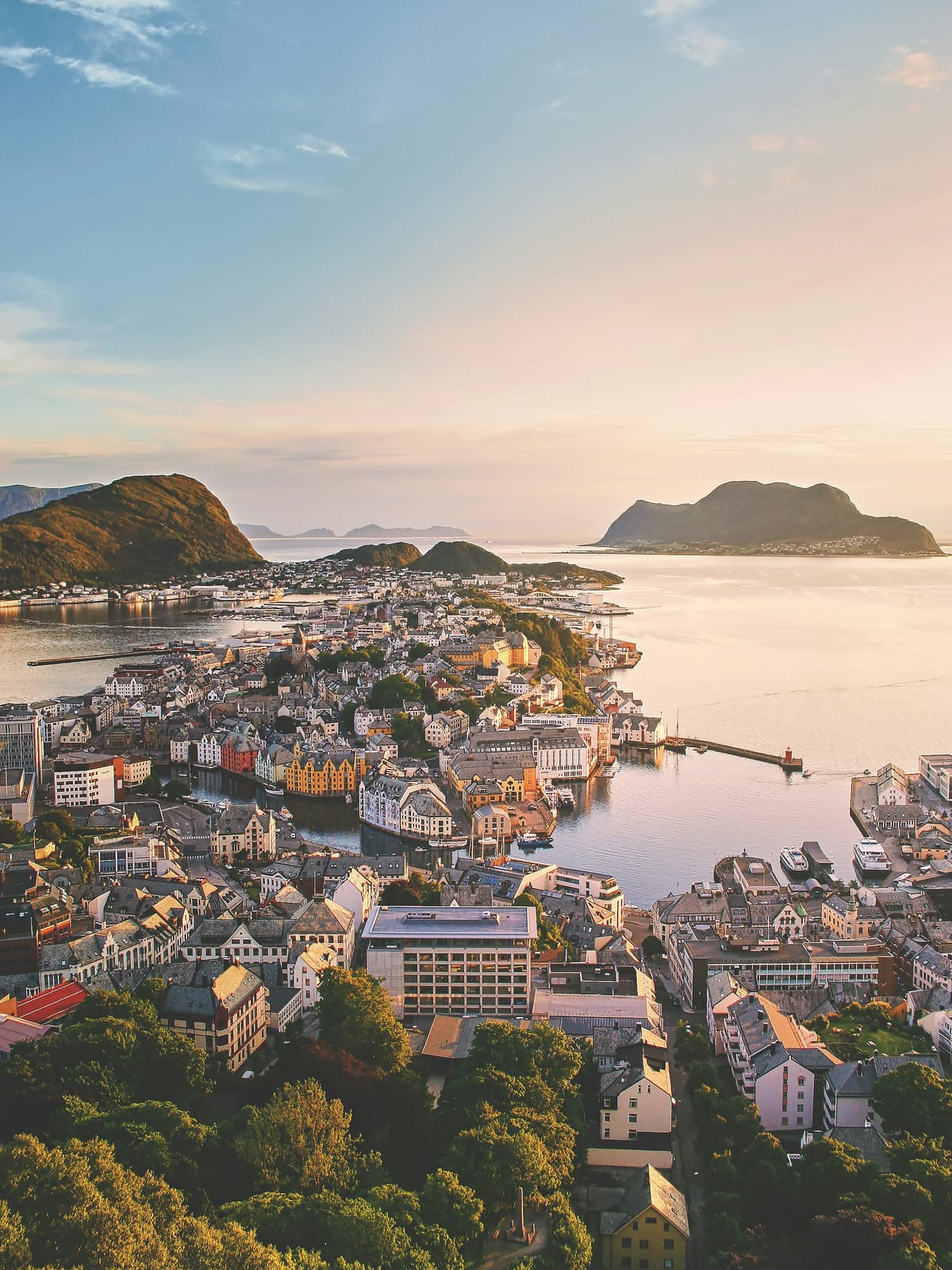
Voss to Bergen is about 1.5 hours by road, or about 1 hour 20 minutes by train. Bergen is a harbour town surrounded by seven hills. Its old waterfront, Bryggen, is a row of timber warehouses built by the German Hanseatic merchants from the 14th century. It is on the UNESCO list, and the workshops and the Hanseatic Museum are open to visit. The fish market on the harbour sells salmon, shrimp and king crab. The Fløibanen funicular takes you up Mount Fløyen, 320 metres above the city, in about 8 minutes.
Day six is a Hardangerfjord day. It is the second-longest fjord in Norway, with orchards of apples and cherries along its shores. In May the trees are in blossom. A drive inland leads to Vøringsfossen, a waterfall with a drop of 182 metres. You can also follow the Hardanger Cider Route and visit farms that make cider and fruit juice. On your last morning, Bergen airport is about 25 minutes from the centre.
Where to stay
Oslo: in the city centre or at Aker Brygge, so you can walk to the waterfront and the main sights. Flåm: in the village, ideally with a view of the fjord, because there is little else to choose from and it fills quickly in summer. Voss or Gudvangen: Voss is a larger town with more choice; Gudvangen puts you at the head of the Nærøyfjord. Bergen: near the harbour or Bryggen. Fjord hotels are small, so book early for June to August.
When to go
May to September is the season for this route. May and June have the snowmelt waterfalls, long light evenings and orchards in blossom. July and August are warmest, around 20 to 25°C in the fjords, and busiest. September is quieter and cooler, with the first autumn colours. In June the sun sets very late in Oslo and Bergen, and the light lasts well into the night. Bergen is one of the wettest cities in Europe, with rain on a large share of days, so pack a waterproof in any month. Outside summer, some boats and attractions run reduced timetables, so we rework the route.
Ways to change the route
Short on time? Cut Oslo to one night and spend the saved night in the fjords. Got 9 days? Our Norway Fjords and Northern Lights tour adds a longer stay on the west coast. With 11 days, the Epic Norway route adds more of the country. If you prefer less travel, skip Voss and Gudvangen and base two nights in Flåm, with the Nærøyfjord cruise as a day out. Want to hike? Add a guided walk on the Hardangervidda plateau or to the Nærøyfjord viewpoints. For Northern Lights, travel between October and March and fly north to Tromsø instead of using this route.
How we plan it
We book the train seats, the fjord cruise and the transfers, and choose hotels with fjord or harbour positions. Norwegian trains and boats sell out in summer, so a fixed plan matters more here than in most countries. A real person on our team is your contact from the first email to the flight home.
Frequently asked questions
Is 7 days enough for Norway?
Seven days is enough for Oslo, the fjords and Bergen. It does not include northern Norway, such as Tromsø or the Lofotens, which are best as a separate trip.
How do you get from Oslo to Bergen?
By train on the Bergen Railway, which takes about 6.5 to 7 hours straight through and crosses the Hardangervidda plateau. On this route we break the journey at Myrdal for the Flåm Railway, then continue by boat and road.
Is the Flåm Railway worth it?
Yes. It is only 20 km long but drops about 865 metres in around an hour, passing waterfalls and mountain farms. It is one of the best short train rides in Europe and runs all year.
What is the best month for a 7 day Norway itinerary?
June is the strongest month for waterfalls and long days. May has orchard blossom, and September is quieter. July and August are warmest but busiest.
Can I see the Northern Lights on this route?
Not in summer, and not this far south in any season in a reliable way. The Northern Lights are best seen between October and March in the far north, around Tromsø, so they need a different trip.
 Quick cookie chat