
The short answer
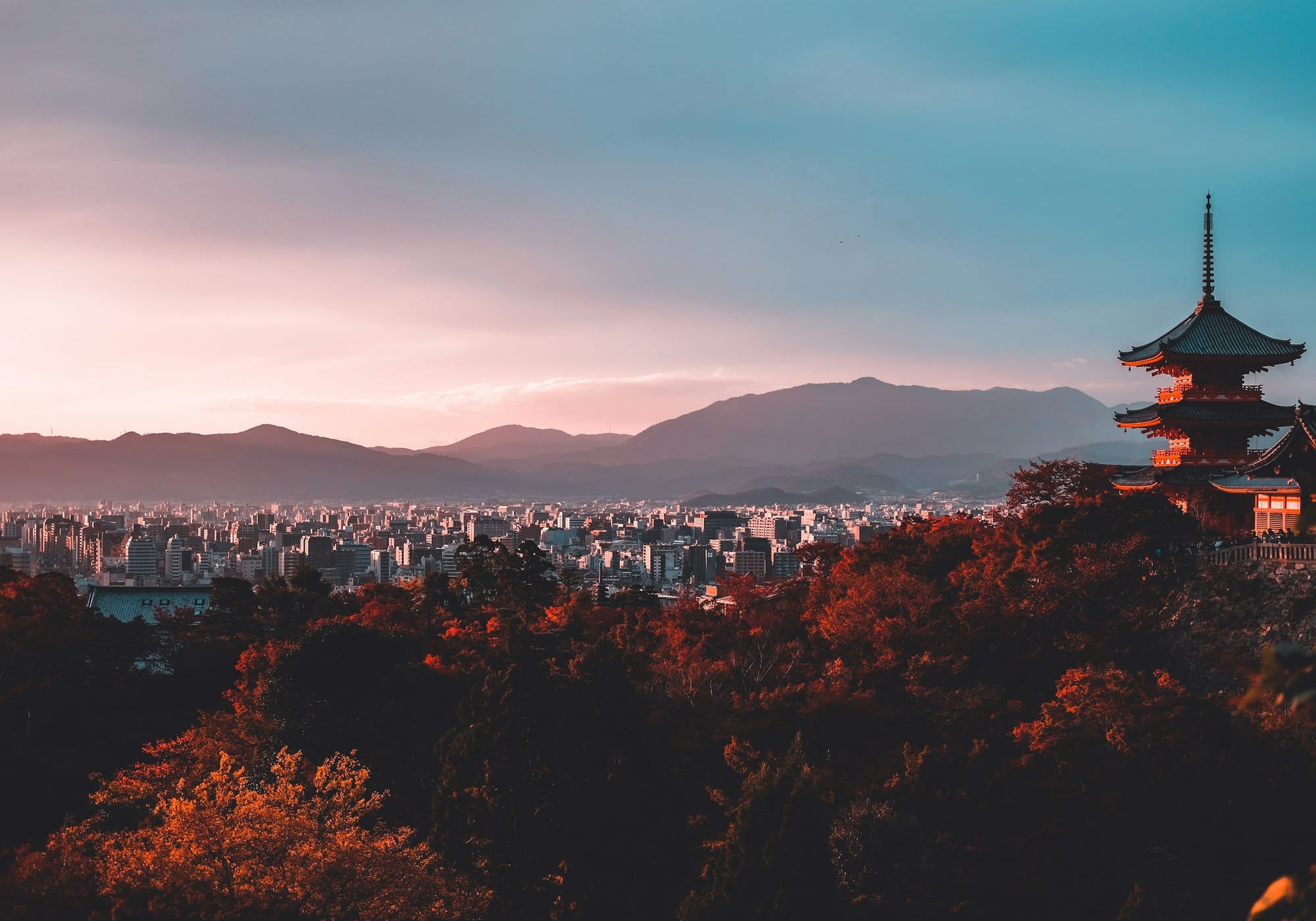
Japan is accessible and deeply rewarding for first-time visitors. Tokyo is the arrival point and the logical start — a city of 37 million that operates with visible precision and quiet. From there, the Shinkansen bullet train connects you in hours to Kyoto (the ancient capital, home to 1,600 temples), Osaka (the food city), Nara (sacred deer roam the main cultural site), and Hakone (mountain views and traditional ryokan inns).
Plan for at least nine days: three nights in Tokyo, one in the mountains or a smaller city, three in Kyoto, and one in Osaka or by the coast. You'll need a private guide in each place — not to shepherd you through crowds, but to explain what you're actually looking at. Japan rewards that attention.
Tokyo: The world's largest city, behaving like a small town
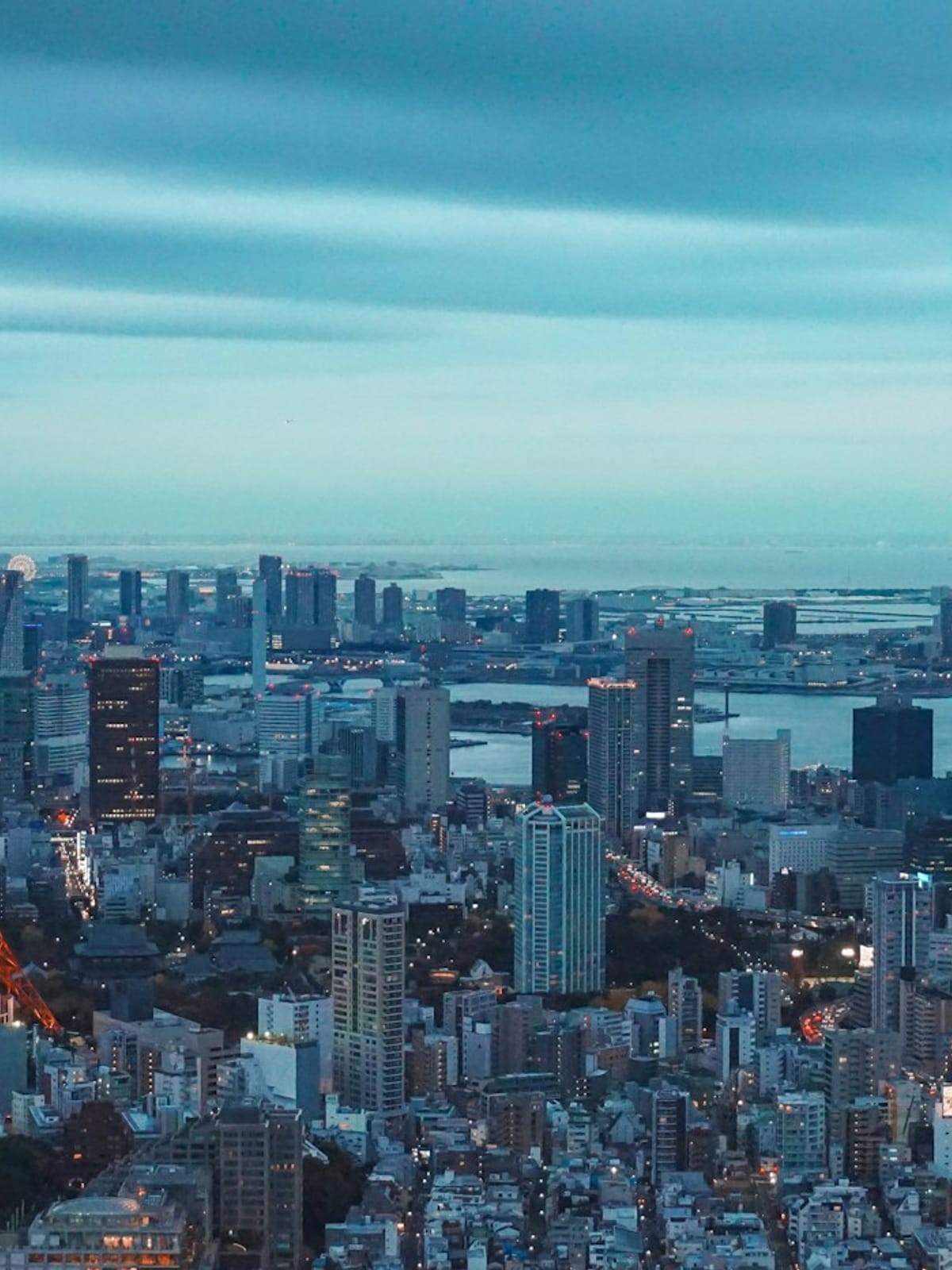
Tokyo announces itself from the airport train: twenty minutes of industrial port, then density building as you approach the city centre. The realisation that you're entering the largest urban agglomeration on earth — and that it functions, on the surface, with more visible calm and order than most European cities of one-tenth the size.
The city's character emerges across distinct neighbourhoods. Asakusa is where Tokyo began: the Senso-ji temple founded in 645 AD, the five-storey pagoda, and the incense smoke at the main hall. Shibuya is the famous pedestrian crossing — 3,000 people in every direction simultaneously. Harajuku is where Tokyo's youth fashion achieves improbable heights of creativity. Shinjuku is the commercial centre. Yanaka is the old merchant quarter that survived both the 1923 earthquake and 1945 firebombing, preserving low wooden shophouses and neighbourhood temples.
The first-timer's mistake: trying to see all of Tokyo. Pick a neighbourhood and walk it slowly. Have breakfast at a local coffee shop. The morning set — a precise small ritual — is where Tokyo reveals itself.
Kyoto: The thousand-year capital, preserved
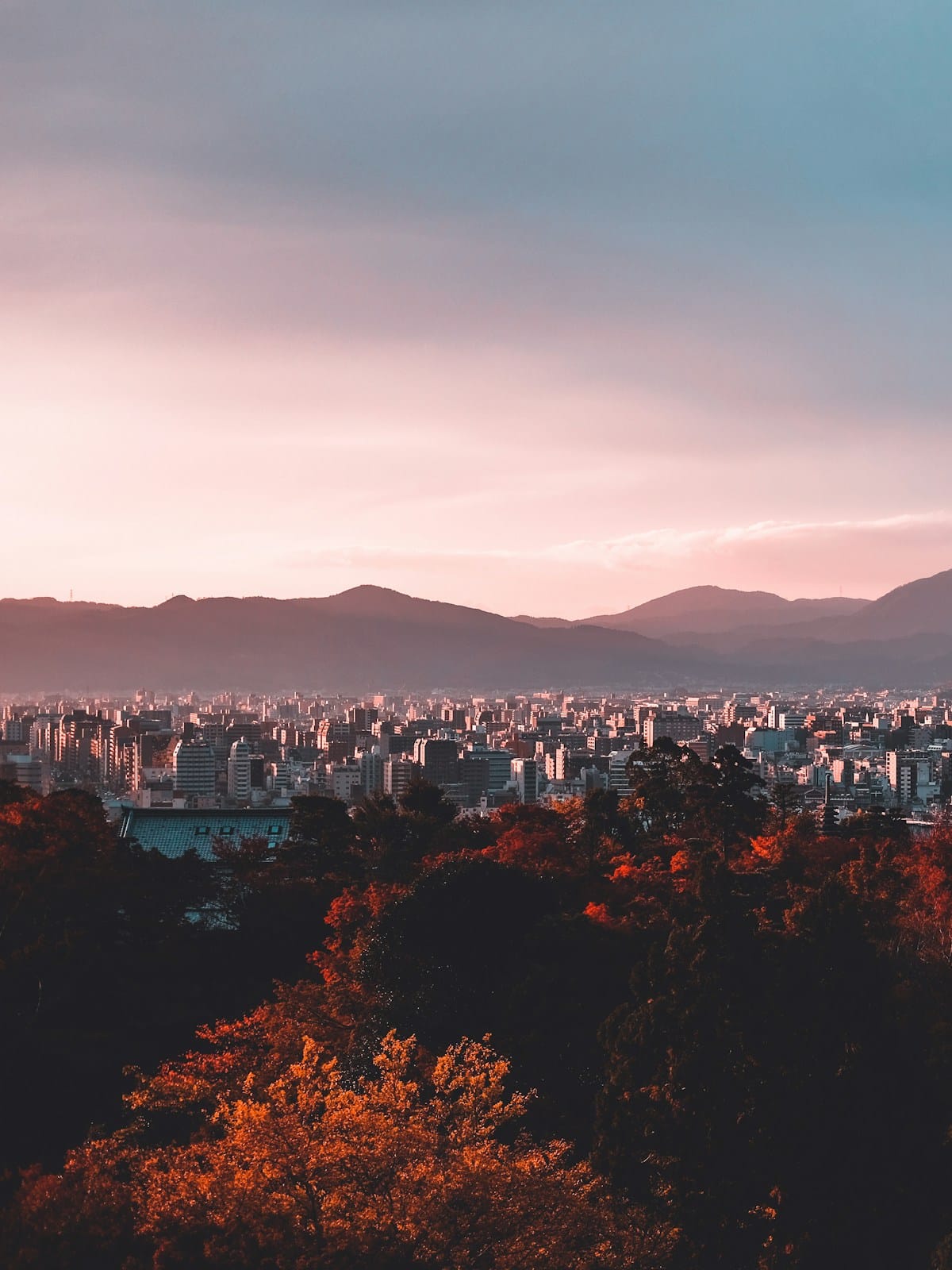
Kyoto was Japan's imperial capital for a thousand years and was deliberately spared from 1945 firebombing because of its cultural importance. The result: 1,600 Buddhist temples, 400 Shinto shrines, seventeen UNESCO World Heritage Sites, and the intact geisha districts (machiya townhouses) where maiko still walk to their evening engagements.
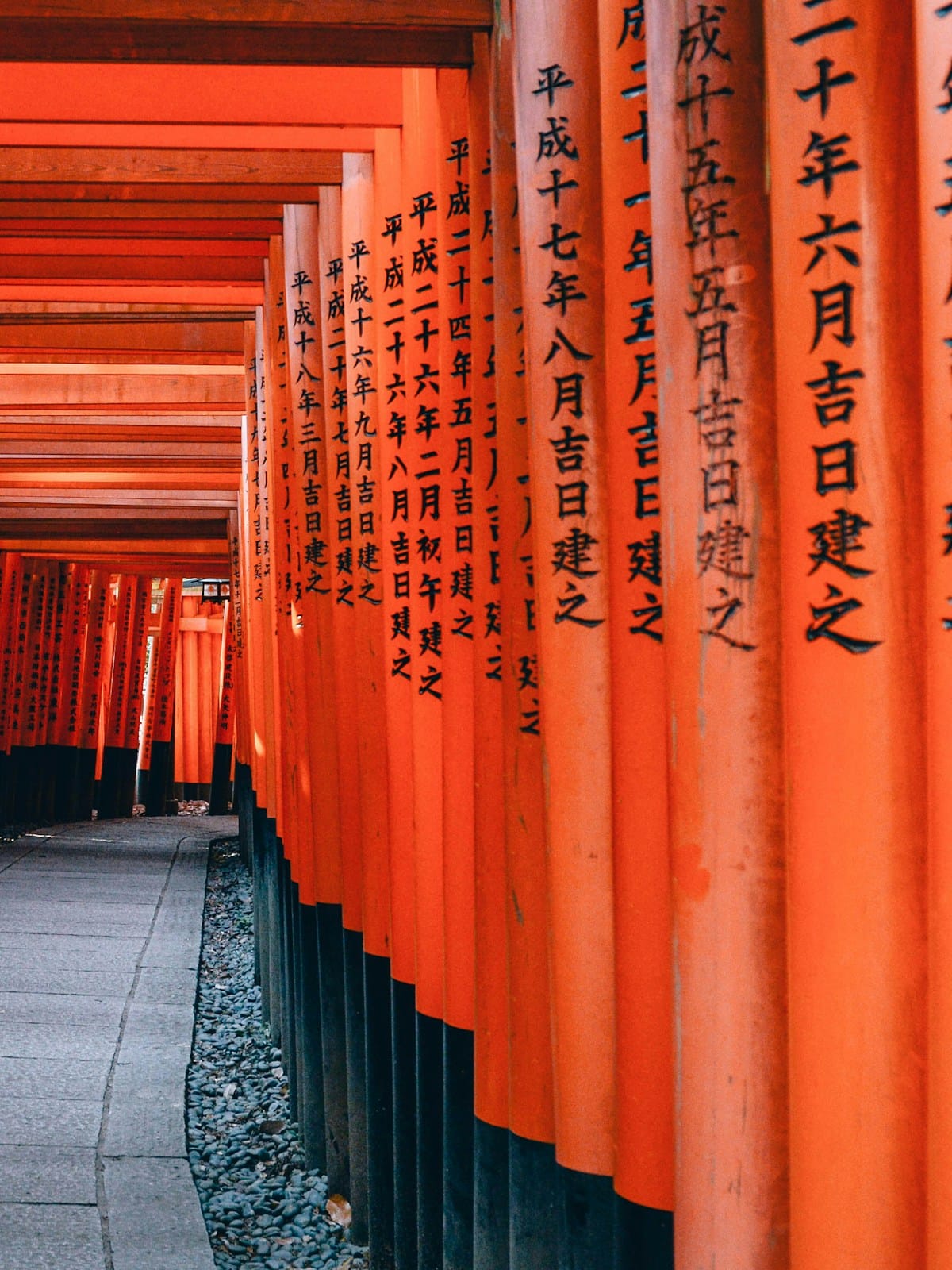
Fushimi Inari is the most recognisable image from Japan — ten thousand vermillion torii gates forming tunnels up the mountain. The lower gates are busy; climb two hours up and the forest closes around you and the path is quiet. Arashiyama's bamboo grove is at the western edge of the city, where the river emerges from forested mountains. The Tenryu-ji temple and its Zen garden is considered the finest in Japan. Nijo Castle has nightingale floors installed to squeak as an alarm against assassins.
Plan three nights in Kyoto minimum. One full day in Fushimi Inari before nine in the morning. Another for Arashiyama and the temples. The third to walk Gion in the evening and sit in a restaurant serving kaiseki — the seasonal multi-course cuisine Kyoto developed for the imperial court.
Mt Fuji, the coast, and the mountain inns
Hakone is ninety minutes southwest of Tokyo by private vehicle, into the volcanic region. Ashinoko Lake — on a clear morning — reflects Mt Fuji with the clarity and completeness that explains why this mountain is the central image of Japanese art. The Hakone Open-Air Museum is one of Asia's finest outdoor sculpture collections, set in volcanic hills and maintained gardens.
The defining experience of Hakone is the traditional ryokan: tatami mat rooms, yukata robes, the multi-course kaiseki dinner served in your room, and the onsen (hot spring bath) fed by volcanic water. The etiquette — removing shoes, wearing the inn's robes, the correct use of the onsen — is specific and explained by your guide in advance. It is one of the world's most distinctive hospitality experiences.
An alternative mountain base is the Japanese Alps region — Kamikochi's car-free alpine valley at 1,500 metres, surrounded by Hodaka peaks, with Japanese macaques visible in the late afternoon. Shirakawa-go, a UNESCO site, preserves traditional thatched farmhouses in a mountain valley. Both require more travel time from Tokyo but reward it with landscape and cultural distance from the cities.
Nara and Osaka: One day, two cities
Nara is forty minutes by train from Kyoto and was Japan's first permanent capital, established in 710 AD. Its central attraction is the 1,200 sacred deer that roam freely through Nara Park — considered divine messengers since the 8th century, protected by imperial decree for most of the time since. The deer approach people for the special crackers sold throughout the park, bow when offered one, and eat from your hand with complete indifference to the attention.
Todai-ji is the Great Buddha Hall — the largest wooden structure in the world, housing a bronze Buddha 15 metres tall cast in 743 AD. Kasuga Taisha shrine is surrounded by 3,000 stone and bronze lanterns lit twice a year. Isui-en garden is one of the finest in Japan with the Great Buddha Hall framed in the view.
Osaka, thirty minutes from Kyoto by Shinkansen, is the anti-Kyoto: loud, commercial, self-deprecating, devoted to food in a way that has its own name — kuidaore, meaning 'eat until you drop'. Dotonbori is the most concentrated food street in Japan: takoyaki (octopus balls), okonomiyaki (savoury pancake), kushikatsu (deep-fried skewers). Osaka Castle sits within the original 16th-century stone walls and moat that unified feudal Japan.
How many days in Japan
| Duration | Best for | Route |
|---|---|---|
| 7–8 days | A quick first look; Kyoto will feel short | Tokyo (3 nights), Hakone (1), Kyoto (2), Osaka (1) |
| 9–10 days | Complete first visit with breathing room | Tokyo (3), Hakone or mountains (1), Kyoto (3), Nara day trip, Osaka (1) |
| 11–14 days | Unhurried circuit covering the country | Tokyo (3), Nikko or Alps (2), Hakone (1), Kanazawa (1), Kyoto (3), Hiroshima & Miyajima (2), Osaka (1) |
| 14+ days | Complete Japan experience with flexibility | Full circuit plus Fukuoka, deeper time in Kyoto, optional coastal or food-focused extensions |
When to visit Japan
Japan is visitable year-round, but seasons shift the experience. Spring (April–May) brings mild weather, cherry blossoms in early April (Yoshino has 30,000 trees on one sacred mountain), and the gardens at their finest. Summer (June–August) is hot and humid inland — Tokyo and Kyoto push past 35°C (95°F) — but the coast and mountains are glorious. Autumn (September–October) is many travellers' preference: the summer heat softens, the sea stays warm into September, and the crowds thin. Winter (November–March) is the low season with city crowds at their thinnest and prices lowest, though the north is cold and some mountain areas close.
Cherry blossom season (late March to early April) and autumn colour season (mid-November) require advance booking — accommodation fills six months ahead. Outside these peaks, you have more flexibility and better access to guides and restaurants.
Getting around Japan
The Shinkansen bullet train is the spine of Japan travel. It connects Tokyo, Kyoto, Osaka, and the western regions in hours — from Tokyo to Kyoto takes about two hours and fifteen minutes. The trains are fast, precise, frequent, and arrive to the minute they promise. Japan Rail Pass (if purchased before arrival) covers all Shinkansen travel and is worth calculating — we will advise whether a pass or individual tickets is more economical for your group.
Cities are navigable on foot and by local train. The Tokyo and Osaka metro systems are excellent and colour-coded for simplicity. Taxis are ubiquitous and expensive but useful late at night when trains stop. For countryside and smaller cities, a private vehicle with a driver is the only practical option — distances are longer, sites are spread out, and the freedom to stop at views or small villages is the point of a first visit.
First-timer mistakes to avoid
Underestimating the crowds at peak sites: Fushimi Inari, Arashiyama's bamboo grove, and the major Kyoto temples are busy from 9 AM onwards. Hire a guide who knows the timing and will take you before sunrise or after the tour groups leave. Trying to see too much in Tokyo: pick one neighbourhood per day and stay in it, rather than racing between all of them. Not booking teamLab Borderless in advance — same-day tickets are rarely available, but it's the most celebrated digital art installation in Japan and genuinely worth pre-booking.
Dismissing smaller cities: Kanazawa, the unbombed Edo city, has Japan's finest seafood, excellent museums, and Kenroku-en garden. Hiroshima's Peace Memorial is historically significant and emotionally important — a specialist guide changes the visit completely. Skipping the ryokan experience because the etiquette feels unfamiliar — it's exactly that unfamiliarity that makes it valuable, and your guide will brief you in advance so you arrive prepared.
Practical information for North American visitors
Entry: US and Canadian passport holders can enter Japan visa-free for up to 90 days as tourists. Check current rules before travel. The process is straightforward and Japan's immigration is efficient.
Money: Japan is cash-based in ways that can surprise North American visitors. Carry yen — ATMs are available at 7-Eleven convenience stores and major train stations. Credit cards are less widely accepted than in North America; Visa and Mastercard work in hotels, restaurants, and major shops, but smaller establishments are cash-only.
Language: Japanese is not English-friendly in the way that most European countries are. However, major stations, airports, and tourist sites have excellent English signage. Train app translations work for navigation. With a private guide for all major visits, language is not a practical barrier — the cultural gap is the interesting one, which is exactly what the guide is there to bridge.
Tipping: Do not tip in Japan. It is not expected and can be seen as offensive. Gratuities for your private guide are customary at the end of the trip — ask us for guidance on amounts.
Food allergies: Japanese restaurants take dietary restrictions seriously. Communicate allergies and preferences clearly and in advance — we brief your guide, who will communicate on your behalf in restaurants.
How we plan your Japan trip
Because every Black Deer Travel trip is private and custom, we build your Japan itinerary around your calendar and your curiosities rather than a fixed departure. Tell us roughly when you can travel, what draws you most (temples, food, tea ceremony, contemporary art, mountains), and your preferred pace. Your guides are locals who can explain what you're looking at. Every day is shaped around you — your pace, your appetite, your energy. A real human responds within one working day to your request, with a personalised proposal and exact pricing. No obligation.
Frequently asked questions
Is nine days enough for Japan?
For a first visit focused on the classical circuit — Tokyo, Kyoto, and the essential experiences — yes. Nine days allows three nights in Tokyo, one in the mountains or Hakone, three in Kyoto, and one in Osaka, which is enough time in each place to go beyond the surface. Travellers who return to Japan typically extend the Kyoto section or add Hiroshima, Miyajima, and Kanazawa. Fourteen days lets you do all three comfortably.
What is a ryokan?
A traditional Japanese inn — tatami mat rooms, futon bedding laid out by staff, a multi-course kaiseki dinner served in your room, and access to onsen hot spring baths fed by volcanic or mineral water. The etiquette (removing shoes, wearing the inn's yukata robe, correct use of the onsen) is explained by your guide in advance. It is one of the world's most distinctive hospitality experiences and worth the cultural unfamiliarity.
How is Japan for non-Japanese speakers?
Practically manageable if you're in major cities with a private guide. Major stations, airports, and tourist sites have excellent English signage. Younger Japanese people generally have functional English. The cultural gap — understanding what you're looking at and why Japan is the way it is — is the interesting challenge, which is exactly why a specialist guide matters.
When is cherry blossom season in Japan?
Late March to early April. Yoshino has 30,000 cherry trees on one sacred mountain; Tokyo's parks like Chidorigafuchi moat have their own celebrated blossom locations. The timing shifts year to year based on weather — late March in warmer regions, early April in cooler ones. Accommodation fills six months ahead for this period.
What should I pack for Japan?
Comfortable walking shoes — cities require walking on hard pavement and temple grounds are extensive. Layers for variable weather year-round. In spring and autumn, a light jacket. In summer, humidity is high; lightweight, breathable clothing helps. In winter, the north is cold. Slip-on shoes are useful because you'll remove them frequently — in ryokan, temples, some restaurants, and homes.
Is travel insurance required for Japan?
Travel insurance is not legally required, but is strongly recommended. It covers medical emergencies, trip cancellation, and evacuation — all valuable safeguards when travelling internationally. We can arrange it on request if you don't have existing coverage.
 Quick cookie chat