
The short answer
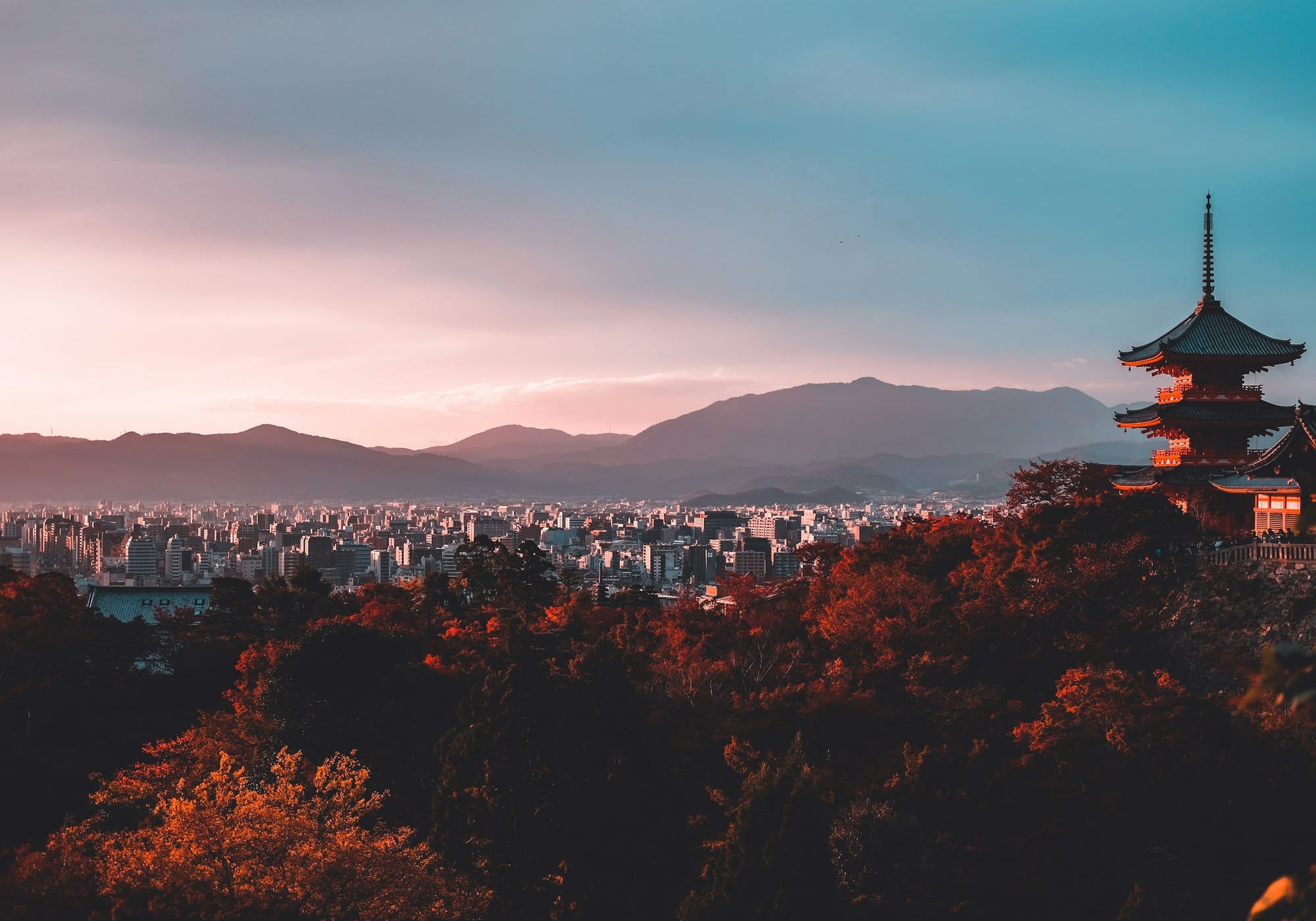
The best time to visit Japan is spring or autumn. Late March to early April brings cherry blossom, and November usually brings the autumn leaves to their peak in Kyoto. Both seasons are busy, so book early. If you want milder weather with fewer people, May and October are the quiet choices.
Summer is hot and humid, with a rainy season in June and July. Winter is the quietest season. Tokyo and Kyoto stay dry and clear, but the north and the mountains can be deep in snow. None of these months is a wrong answer. The right one depends on what you want to see.
Best time to visit Japan for cherry blossom
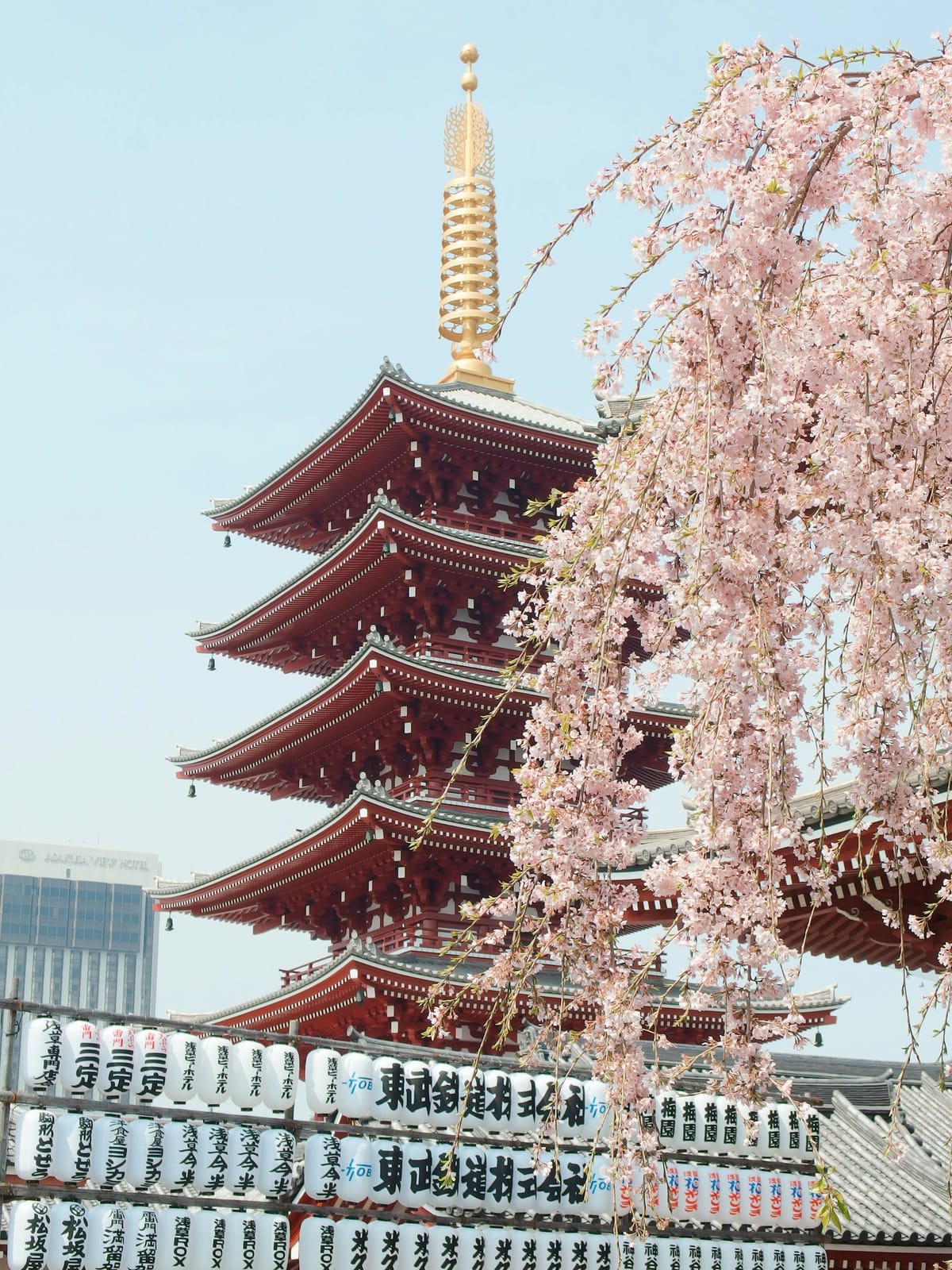
Cherry blossom, or sakura, is the season most people have in mind. In Tokyo and Kyoto it usually blooms from late March to early April. It arrives a little later in the cooler north and in the mountains. The exact week changes every year, so check the blossom forecasts, which are published through March.
The bloom moves north over about six weeks, from the south in late March to the northern parks in late April or early May. In any one city, the peak may last only a week. A fixed booking can miss it, which is why we plan spring dates around the forecast.
Our Cherry Blossom Season tour is timed to the forecast, with date flexibility built in. If your dates are fixed, our Essence of Japan runs all year and can be set for late March.
Early summer and the rainy season
Late April and May are mild, with long days. Once Golden Week is over, the cities ease. June brings tsuyu, the rainy season, which usually runs from early June to mid-July. Expect grey, humid days with rain in bursts rather than constant downpours. June is also when hydrangeas flower in the temple gardens.
The rain doesn't have to cancel anything. Museums, covered markets, department store food halls and the Shinkansen all work well on wet days. Pack a compact umbrella and a light layer, and keep the gardens for the drier hours. Your guide can move an outdoor visit to a better day.
Summer in Japan: heat, humidity and typhoons
July and August are the hottest months. Tokyo and Kyoto often reach 30–35°C (86–95°F), and the humidity makes it feel heavier still. Start sightseeing early, when temples and gardens are cooler and quieter. Save the afternoons for a museum, a long lunch, or a hotel room with the air conditioning on.
The mountains are cooler. Kamikochi, in the Japanese Alps, sits at about 1,500 metres, and the valley is a good escape from the city heat. Our Japanese Alps and Mountains tour runs from May to November.
Typhoons are possible from about August to October. Most pass within a day or two, but they can halt trains and flights. Keep one flexible day in your plans, and check the forecast before you fly.
Autumn: leaves, clear skies and fewer crowds
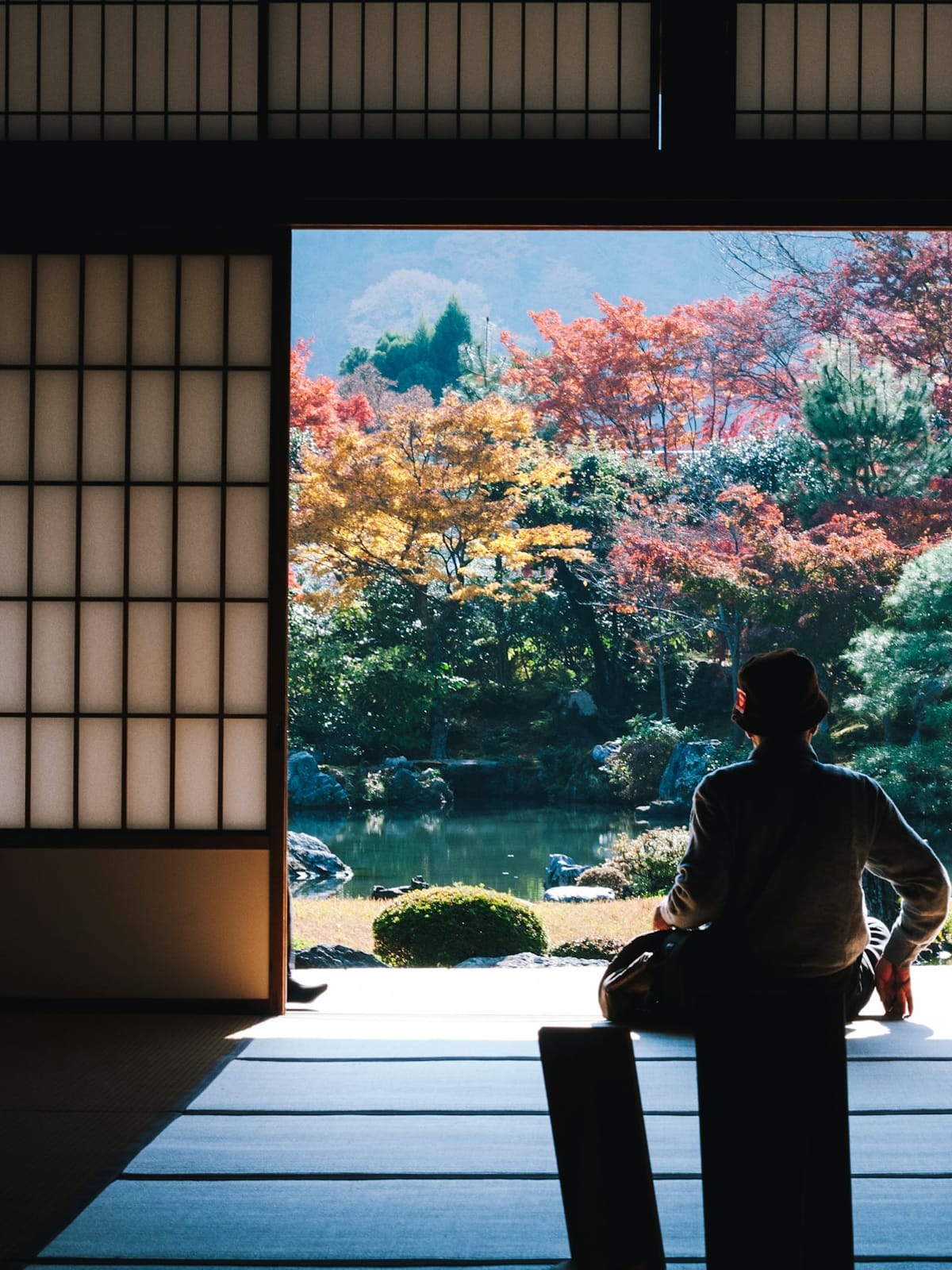
Autumn is Japan's second great season. From mid-October to November, the weather is usually mild and dry, with clear skies and cool evenings. Maples turn red and gold, from the mountains down to the cities. In Kyoto the colour usually peaks in mid to late November, and it can linger into early December.
October is the quieter choice. The worst of the heat has gone, and the crowds are lighter than in November. Autumn menus lean on chestnuts and mushrooms, and the temple gardens look their best in the low morning light.
For mid-November, book early. Kyoto hotels and ryokan usually fill months ahead. Our Ryokan and Onsen Japan tour suits the season well: a traditional inn, a kaiseki dinner, and a hot spring bath at the end of a day of walking.
Winter: quiet cities and snow in the mountains
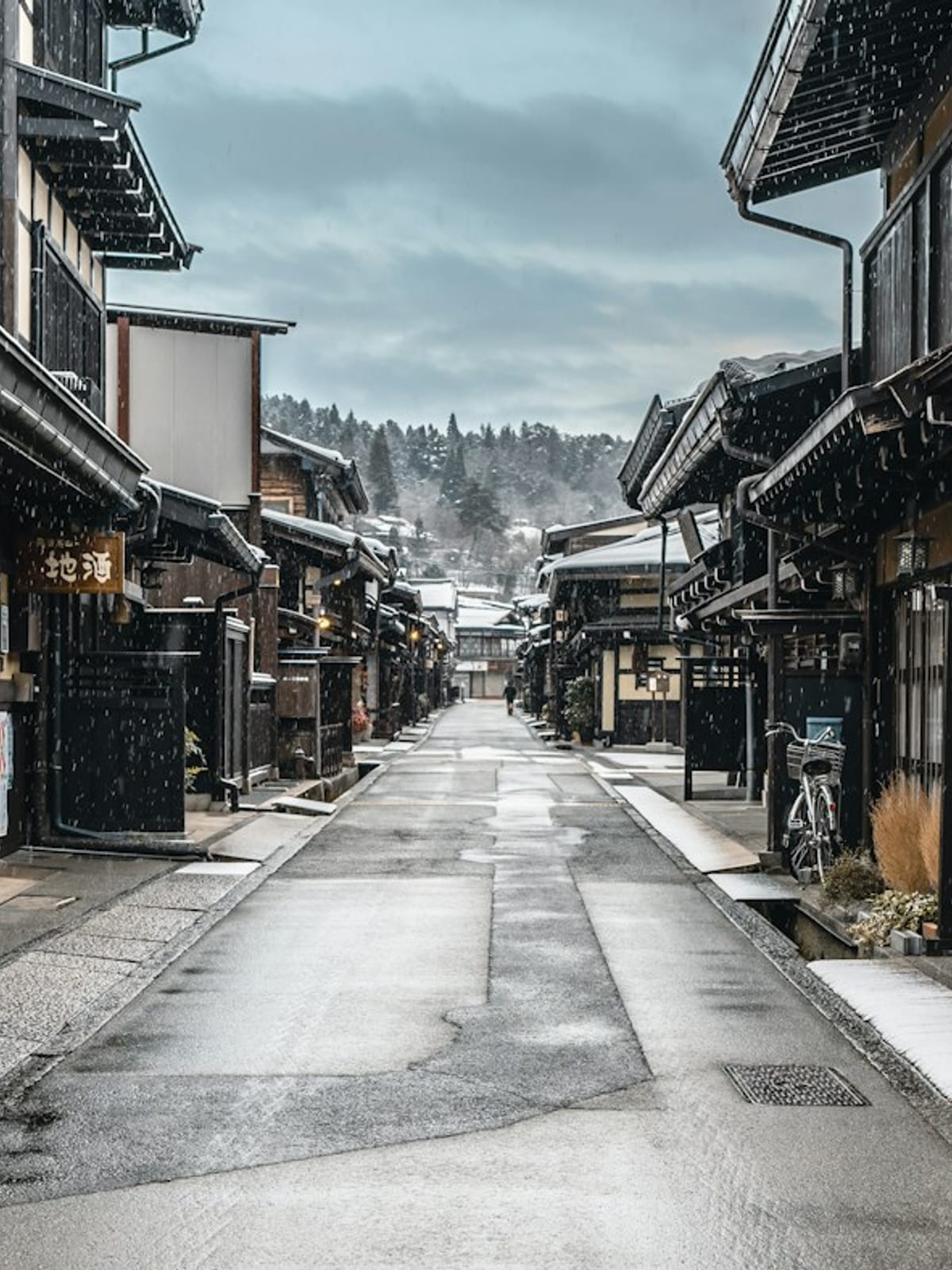
Winter runs from December to February and is the quietest time to visit. Tokyo and Kyoto are usually dry and bright, with daytime highs around 8–12°C (46–54°F) and frosty mornings. Temples are calm, and you can walk a garden with few others in sight. The crowds thin out after the New Year holiday.
Snow changes the picture. Hokkaido and the mountain regions get heavy snow, and some mountain roads and villages close in deep winter. Hokkaido isn't on our current Japan routes. If snow is what you want, tell us early, and we'll be straight with you about what is open.
Around New Year, known as Oshogatsu, many shops and restaurants close for several days. Plan your meals ahead, and ask your planner which sights shut over the holiday.
Month by month at a glance
Temperatures are rough averages for Tokyo and Kyoto. Every year varies.
| Month | Weather | Crowds | Good for |
|---|---|---|---|
| January | Cold, dry and clear. Snow in the north | Low | Quiet temples, winter light |
| February | Coldest month, usually dry | Low | Quiet cities, hot-spring towns |
| March | Cool, warming through the month | Rising late in the month | Blossom starts late in the month |
| April | Mild, around 15–20°C (59–68°F) | Busy in the blossom weeks | Cherry blossom, parks, long walks |
| May | Warm and sunny | Busy in Golden Week, then easing | Cities, gardens, the mountains opening |
| June | Warm and humid. Rainy season begins | Moderate | Hydrangeas, lighter crowds |
| July | Hot and humid. Rainy season ends mid-month | Busy with summer holidays | Mountains and the coast |
| August | Hottest and most humid | Busy, with Obon in mid-month | Mountains, early starts in the cities |
| September | Hot early, cooler later. Typhoon risk | Moderate | Late-month relief, fewer crowds |
| October | Mild and clear, around 18–23°C (64–73°F) | Moderate | Autumn colour starts in the mountains |
| November | Cool, crisp and clear | Busy at Kyoto's peak | Maples in Kyoto and Tokyo |
| December | Cold and bright. Snow in the north | Moderate, holiday season | Winter lights, quiet temples |
Golden Week and Obon: the two crowd peaks
Golden Week is a cluster of national holidays from late April into early May. Domestic travel rises sharply, and trains, hotels and popular temples fill fast. If you can, travel just before or after the holiday. If you can't, book transport and hotels as early as you can.
Obon falls in mid-August. Many people travel home to see family, so long-distance trains and roads are busy for several days. Local festivals and lantern-lit events are common in these weeks, which is a reason to visit. Just don't plan a tight train schedule through them.
It depends where you're going
Japan is a long country, and its seasons shift from north to south. Tokyo, Kyoto and Osaka share one calendar: blossom in spring, leaves in autumn, heat in summer. The mountains and the north keep a different timetable, cooler in summer and snowbound in winter. Our Japan destination page lists every region we work in.
If the Alps are the priority, May to November is the window. If the cities are the priority, any month works, and spring and autumn are at their most striking. If you want Hokkaido, plan for summer or deep winter, and talk to us about whether it fits your trip. Short on time? Our 7-day Japan itinerary shows how Tokyo and Kyoto fit into one week, and the Visit Japan guide covers the wider picture.
How we plan around the seasons
Every Black Deer Travel trip is private and built around your dates. We time the blossom to the forecast, the mountain walks to the cooler months, and the Kyoto temples to the early mornings. Tell us roughly when you can travel and what you want most. We'll tell you honestly what that season is like, and what we would change. One planner stays your contact from the first email to the flight home.
Frequently asked questions
What is the best month to visit Japan?
Late March to early April, if you want cherry blossom, and November, if you want autumn leaves. Both are busy, so book early. For fewer crowds, May and October are mild and comfortable.
What is the cheapest time to visit Japan?
Usually January and February, outside the New Year holiday. Hotel demand is lower, and the sights are quiet. Prices vary by city and by year, so ask us for current figures rather than relying on a rule of thumb.
When is cherry blossom season in Japan?
Usually late March to early April in Tokyo and Kyoto, and later in the north. It shifts from year to year, so check the forecasts through March. Keep some flexibility in your dates, because the peak in any one city can last only about a week.
When is the rainy season in Japan?
Tsuyu usually runs from early June to mid-July across most of the country. It brings grey, humid days with rain in bursts. It's not a reason to skip the trip, but it is a reason to pack an umbrella and plan indoor visits for the wetter hours.
When do the autumn leaves change in Japan?
Usually mid-November to early December in Kyoto and Tokyo, and a little earlier in the mountains. The dates move with the weather, especially after a warm autumn, so treat them as a window rather than a single day.
Is Japan worth visiting in winter?
Yes, for quiet cities and clear, dry days. Tokyo and Kyoto stay cold but are mostly dry and bright. The north and the mountains get heavy snow, so check road access and what is open before you go.
 Quick cookie chat