
The short answer
The Baltics — Lithuania, Latvia, and Estonia — are three distinct countries with a shared history, distinct personalities, and a richness that surprises most visitors. Each has a UNESCO-listed Old Town: Vilnius (the largest baroque centre in Eastern Europe), Riga (with the world's largest concentration of Art Nouveau buildings), and Tallinn (a perfectly preserved medieval walled town). The region is less travelled than Central Europe and far less touristy. The food is genuine, the hotels are thoughtfully run, and the locals are reserved but warm to travellers who linger.
Most visitors spend one or two days in each capital, then venture to the countryside — the Curonian Spit dunes in Lithuania, the Gauja Valley castles in Latvia, and the islands and bogs of Estonia. The region is best visited May–September, when the weather is mild and the daylight stretches to 11 pm. A two-week journey covering all three countries at a proper pace is ideal; ten days is the minimum for all three, and seven or eight days works if you focus on two countries.
Why visit the Baltics
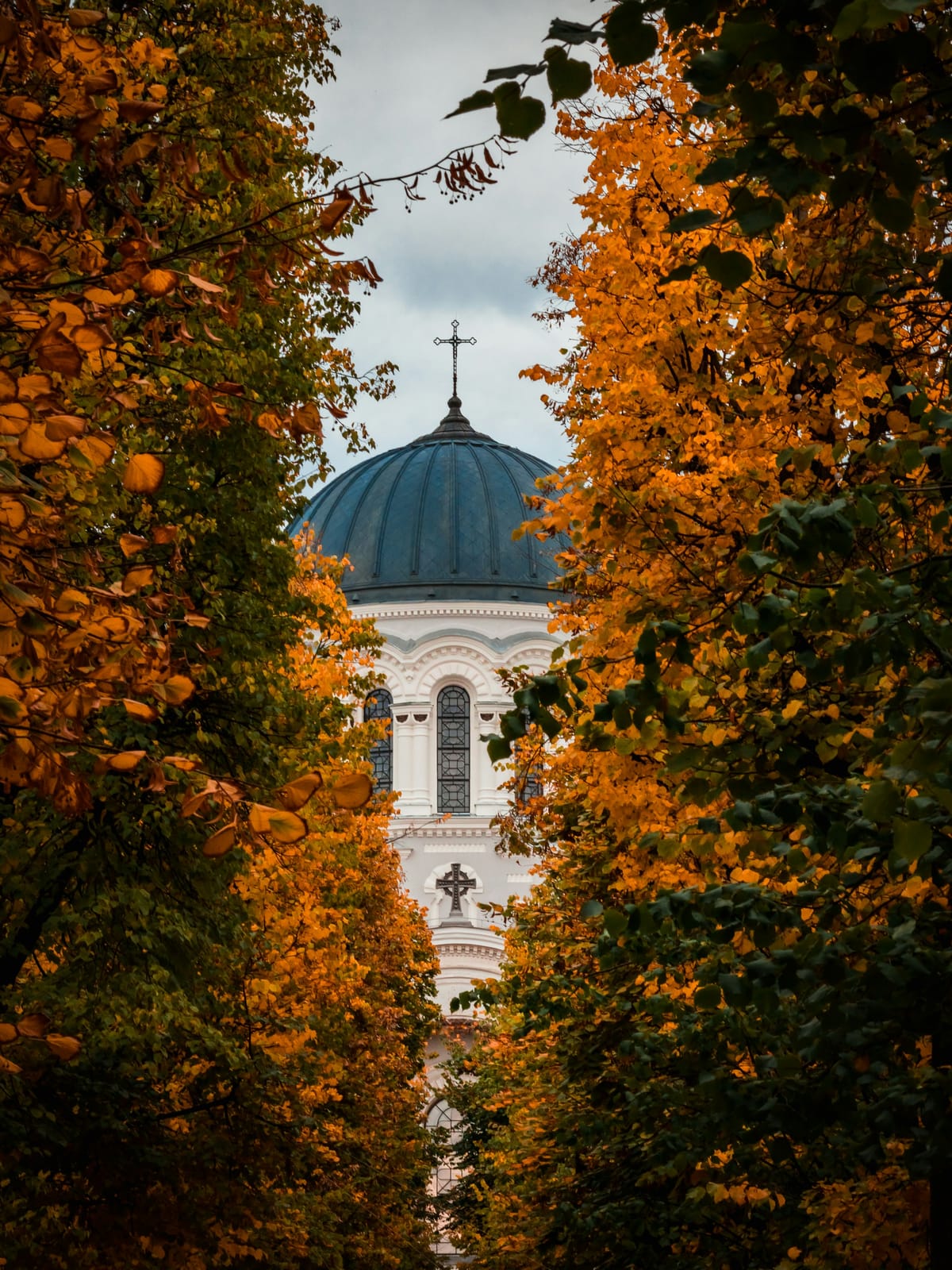
The Baltics are where medieval history, Soviet architecture, and contemporary Nordic design collide and coexist. The Old Towns are genuine — not rebuilt theme parks, but living medieval quarters with resident populations, working trades, and pubs that locals actually frequent. The baroque of Vilnius is unmatched in Eastern Europe. The Art Nouveau of Riga — façades with ornate stone masks, writhing serpents, and grinning faces — is extraordinary and nowhere else in such density. Tallinn's Old Town is so perfectly preserved (and so small — you can cross it in fifteen minutes) that you feel you've stepped back five centuries.
The coast matters. The Curonian Spit in Lithuania is a 98-kilometre sandbar dividing the lagoon from the Baltic Sea, with dunes you can walk and villages built of weathered wood. Latvia's Cape Kolka is where the Baltic Sea meets the Gulf of Riga — a wild, windswept point. Estonia's islands (Saaremaa and Hiiumaa) have an almost Scandinavian quietness.
The food and drink are worth the journey. Lithuania is celebrated for rye bread, root vegetables, and dumplings (koldūnai). Latvia has exceptional dairy, fresh fish, and a craft beer scene. Estonia's food is minimal, elegant, and built from local ingredients — black bread, smoked fish, dark beer. The region is becoming known for contemporary restaurants where young chefs are reimagining Baltic traditions.
Finally, the Baltic states are small enough and quiet enough that a private guide can show you not tourist scenes but actual neighbourhoods, family restaurants, and the stories of how these countries survived occupations, rebuilt independence, and are now confidently European.
The three countries
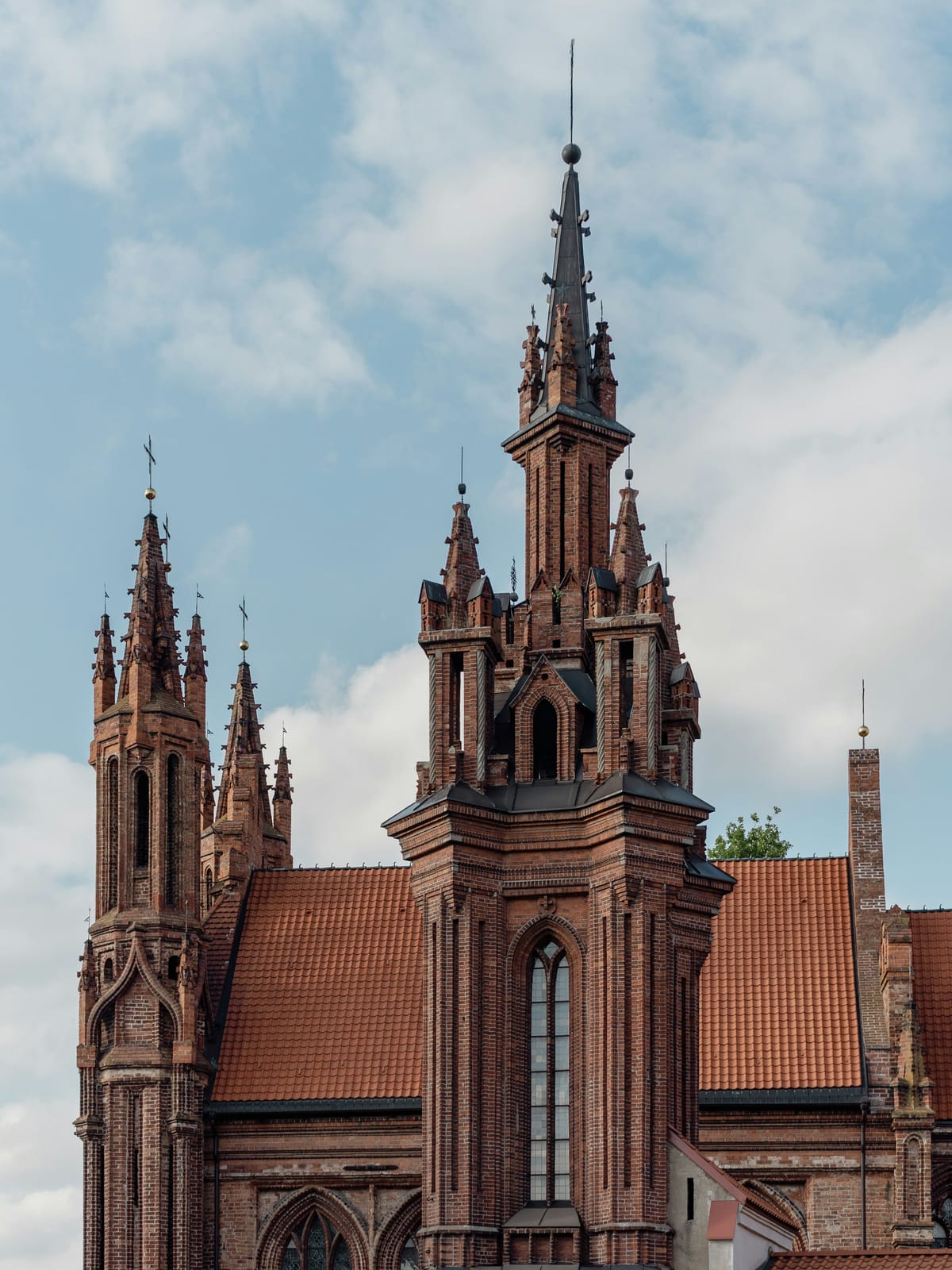
Lithuania is the southernmost and the largest of the three. Vilnius is baroque and elegant — narrow streets, baroque churches, and a lively cultural scene. The Curonian Spit is the natural highlight: wind-sculpted dunes, fishing villages, and a sense of remoteness despite being easily accessible. The Hill of Crosses (Kryžius Kalnas) near Šiauliai is one of Europe's most moving pilgrimage sites — thousands of wooden crosses covering a hillside. The food is hearty and comforting.
Latvia is the middle country and in some ways the most dramatic. Riga's Art Nouveau quarter is the visual centerpiece — walk Alberta Street (Alberta iela) and the architectural excess is astonishing. The Gauja Valley to the northeast is forested, castle-dotted, and quieter than the coast. Sigulda and Cēsis have castle ruins set in deep green valleys. The Central Market in Riga is vast and atmospheric — five former Zeppelin hangars filled with produce, meat, and fish. Latvian beer and rye bread are exceptional.
Estonia is the northernmost and the smallest. Tallinn's Old Town is the most photogenic — steep streets, merchant houses, and turrets and spires at every turn. Lahemaa National Park (an hour from Tallinn) brings you to the coast, with manor houses, bogs, and village fishing communities. The islands (Saaremaa and Hiiumaa) are quieter, windier, and less touristy. Estonia has an exceptional digital culture and a contemporary food scene that feels genuinely innovative.
How many days do you need
| Duration | Route | Realistic? |
|---|---|---|
| 5 days | One country only (e.g., Lithuania: Vilnius, Curonian Spit, Trakai) | Yes — gets to know one place well. Good introduction. |
| 7–8 days | Two countries (e.g., Lithuania and Latvia: Vilnius, Riga, countryside) | Yes — enough time in each place without rushing. Comfortable pace. |
| 10–12 days | All three countries: Vilnius, Riga, Tallinn, and countryside regions | Ideal. The full Baltics experience at a proper pace with flexibility. |
| 14+ days | All three countries with 3–4 nights per capital and slow countryside exploration | Excellent. Allows deep immersion and island visits. |
When to go
May, June, September, and October are the best months. The weather is mild (15–20°C / 59–68°F) and daylight stretches late — in June, the sun sets after 11 pm and rises before 4 am. The sea is swimmable from July onward (around 18°C / 64°F).
July and August are warmest but busiest, though the crowds are nothing like Paris or Barcelona. Many country hotels and rural attractions close in winter. September brings golden light and the first autumn colours. May and early June feel fresh and less crowded.
Winter (November–March) is cold, snowy, and short-daylight. The cities are less crowded and have a moody appeal, but many rural attractions close. Spring (March–May) is gentle — ice breaks on the lakes, forests green up, and the light improves noticeably every day.
Getting around
The distances between the capitals are short: Vilnius to Riga is 350 kilometres (4.5 hours by car), Riga to Tallinn is 300 kilometres (4.5 hours). The roads are good and the drive is pleasant — through forests, alongside lakes, across flat farmland. A private driver makes the journey easier and more interesting; you can stop for photos, lunch, or unexpected villages.
Flights connect the capitals (1-hour flights) but are not necessary. Buses and trains exist but are slower than a car. Within each Old Town, everything is walkable. Outside the towns, having a car or a private driver is essential for visiting the countryside, castles, and dunes.
The region is manageable to self-drive if you're comfortable with European roads. Winter (November–March) brings ice and snow, which makes driving more hazardous.
Practical notes for US and Canadian travellers
Passport and visa: Check current Schengen visa requirements for US and Canadian citizens. As EU members, Lithuania, Latvia, and Estonia are in the Schengen Area, so a US or Canadian passport is typically sufficient for a 90-day visa-free stay. Verify before travel.
Money: All three countries use the euro. ATMs are plentiful in cities and towns. Card payments are standard everywhere, including small shops and rural establishments. Cash is increasingly optional.
Tipping: Tipping is not expected but is appreciated. 5–10% in restaurants for good service; no tip is expected in casual cafés or bars. Rounding up to the nearest euro is customary.
Language: English is widely spoken, especially by younger people and in tourist-oriented businesses. Older generations may speak Russian. A few local words ("hello" = "sveikas" in Lithuanian, "sveiki" in Latvian, "tere" in Estonian) are appreciated.
Weather: The Baltics are cool and changeable. Pack waterproof layers and waterproof shoes. In summer, bring sunscreen (the sun is strong despite cool air). In spring and autumn, warm jumpers are essential. Winter requires a heavy coat, scarf, and gloves.
Common first-timer mistakes to avoid
Staying only in the Old Towns: The capitals are the draw, but the countryside (Curonian Spit, Gauja Valley, Lahemaa) is often more memorable. Spend at least a night outside a city.
Skipping the small towns: Sigulda (Latvia), Kaunas (Lithuania), and Haapsalu (Estonia) are often overlooked. They are smaller, quieter, and often more charming than the capitals.
Assuming the Baltics are the same: Each country has a distinct character, cuisine, and history. They are neither interchangeable nor in competition — they are genuinely different.
Visiting only in winter: The region shines in summer daylight. Winter can be appealing (quiet, moody) but limits what you can do and see.
Rushing between countries: The distances are short, but staying three days per country allows real rest and exploration, not just ticking boxes.
How we plan a Baltics tour
Every Black Deer Travel Baltics trip is private and custom. We build the route around your interests — the Old Towns for history and architecture, the countryside for landscape and quiet, the food and contemporary culture scene. We use local guides in each city (often locals who know the hidden neighborhoods and the genuine restaurants), arrange private drivers for the countryside routes, and book hotels that feel like local discoveries. We spend time in the region, so we understand what makes each country distinct and how to pace a multi-country journey so it feels like exploration, not sightseeing. Most tours run May to September; we can arrange winter trips if you prefer the quiet and don't mind the limited daylight.
Frequently asked questions
What is the best time to visit the Baltics?
May, June, September, and October are ideal, with mild weather and long daylight (in June, the sun barely sets). July and August are warmest but busier. Winter is cold and snowy with short days; the cities are quieter but many rural attractions close. Spring is gentle as the forests green up and the light improves.
How many days do you need to visit the Baltics?
Ten to twelve days allows you to visit all three countries at a comfortable pace — 2–3 nights in each capital plus countryside time. Seven or eight days covers two countries, and five days covers one country well. Two weeks permits deep exploration of all three, including islands and rural regions.
Are the three Baltic countries very different?
Yes. Lithuania is baroque and hearty. Latvia is Art Nouveau and castle-filled. Estonia is medieval and digitally advanced. They share history but have distinct cultures, food, and atmospheres. Each deserves time to appreciate.
What is the most famous sight in the Baltics?
The three UNESCO Old Towns — Vilnius (baroque), Riga (Art Nouveau), and Tallinn (medieval) — are the primary draws. Outside cities, the Curonian Spit, Gauja Valley, and Lahemaa National Park are spectacular and less crowded.
Is the Baltics expensive?
The Baltics are significantly cheaper than Western Europe. Hotels, meals, and attractions cost roughly 30–40% less than France or Scandinavia. A good hotel and dinner with wine cost less than a budget hotel in Paris.
Do I need to speak the local language?
No — English is widely spoken in cities and tourist areas. Younger people especially speak English fluently. A few words of local greeting are appreciated but not necessary.
 Quick cookie chat