
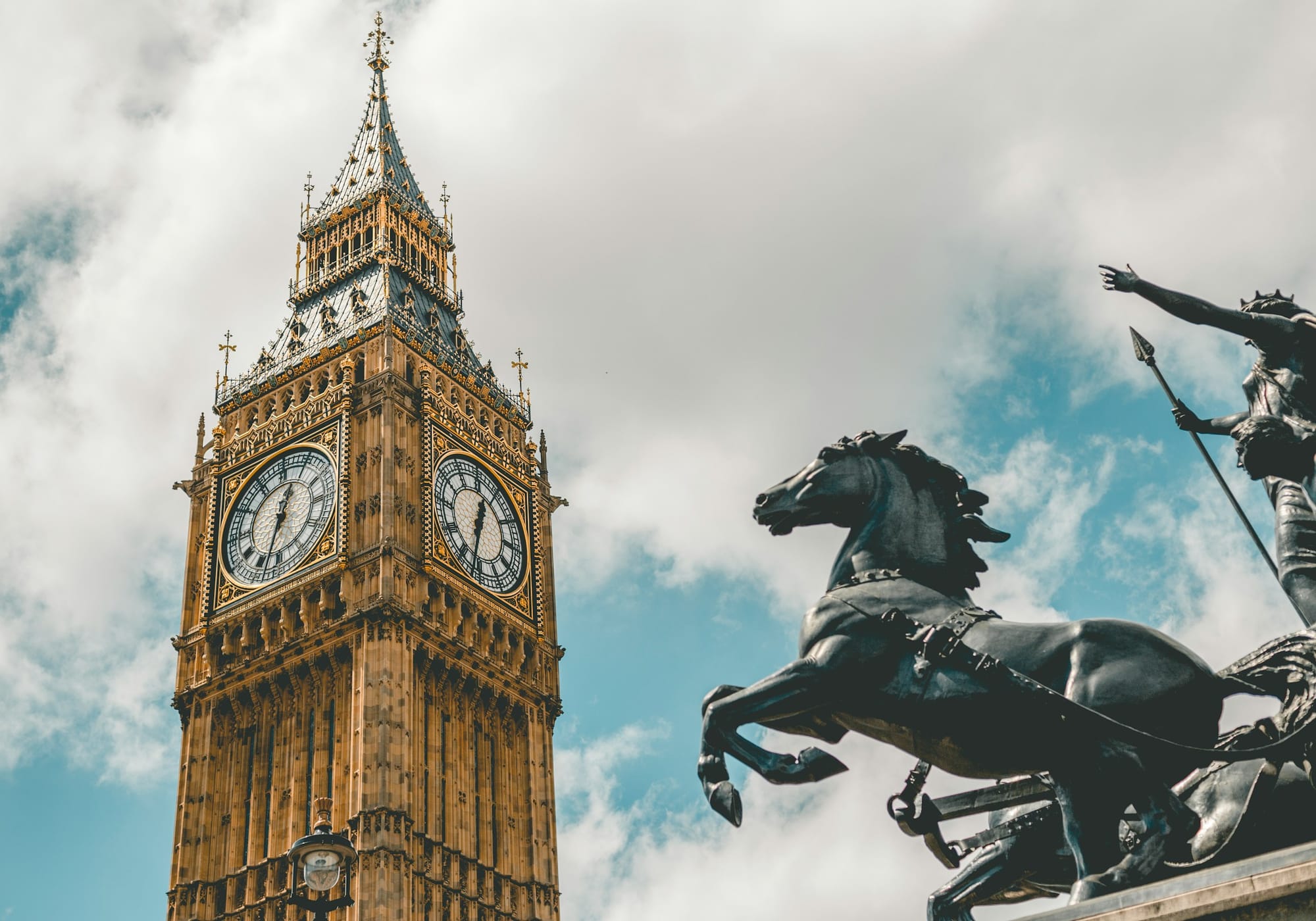
The short answer
England is a country of villages, estates, literary landscapes, and a capital that anchors the entire experience. London is where most visitors begin — the museums, the theatre, the river, the parks, and the restaurants are exceptional. Beyond London, the Cotswolds offer the England of imagination: pale stone villages, rolling hills, and manor houses set in formal gardens. Oxford and Cambridge are university towns with centuries of architecture and a walkable, peaceful scale. The Lake District in the northwest is England's most dramatic landscape, home to Wordsworth and a generation of Romantic poets. Further south, Stonehenge and Salisbury Plain are the pre-historic set pieces; the south coast (Devon, Cornwall, Dorset) brings cliffs, beaches, and seaside charm.
Most trips combine London (3–4 days) with a region or two. The Cotswolds and Bath pair easily (4–5 days). The Lake District demands time and is better as a separate journey. The best months are April–May and September–October, when the weather is mild and the gardens are showing.
Why visit England
England is the repository of a very particular kind of beauty: the country house, the college quadrangle, the pub with oak beams, the riverside village. It is the landscape of English literature — Austen, Wordsworth, the Brontës, Tolkien. The museums are world-class and free. The architecture spans from Roman villas to medieval abbeys to Elizabethan manor houses to Georgian crescents and Victorian railways. The tea is genuinely excellent (if you seek it out), and the food has evolved: London's restaurant scene rivals any European capital, and even market towns now have honest cafés and gastropubs.
What to avoid: the idea that you must tick boxes (Big Ben, Tower of London, Windsor Castle). England rewards slowness. A day in the Cotswolds in a single village, walking the countryside and having a proper pub lunch, often matters more than a rushed circuit of sights. A private guide in London can skip the queues at the major museums and show you the lesser-known galleries and the neighborhoods where Londoners actually spend time. The charm of England is in the details: a parish church with a Norman nave, a riverside walk, the light across the Cotswold stone at golden hour.
The regions to prioritize
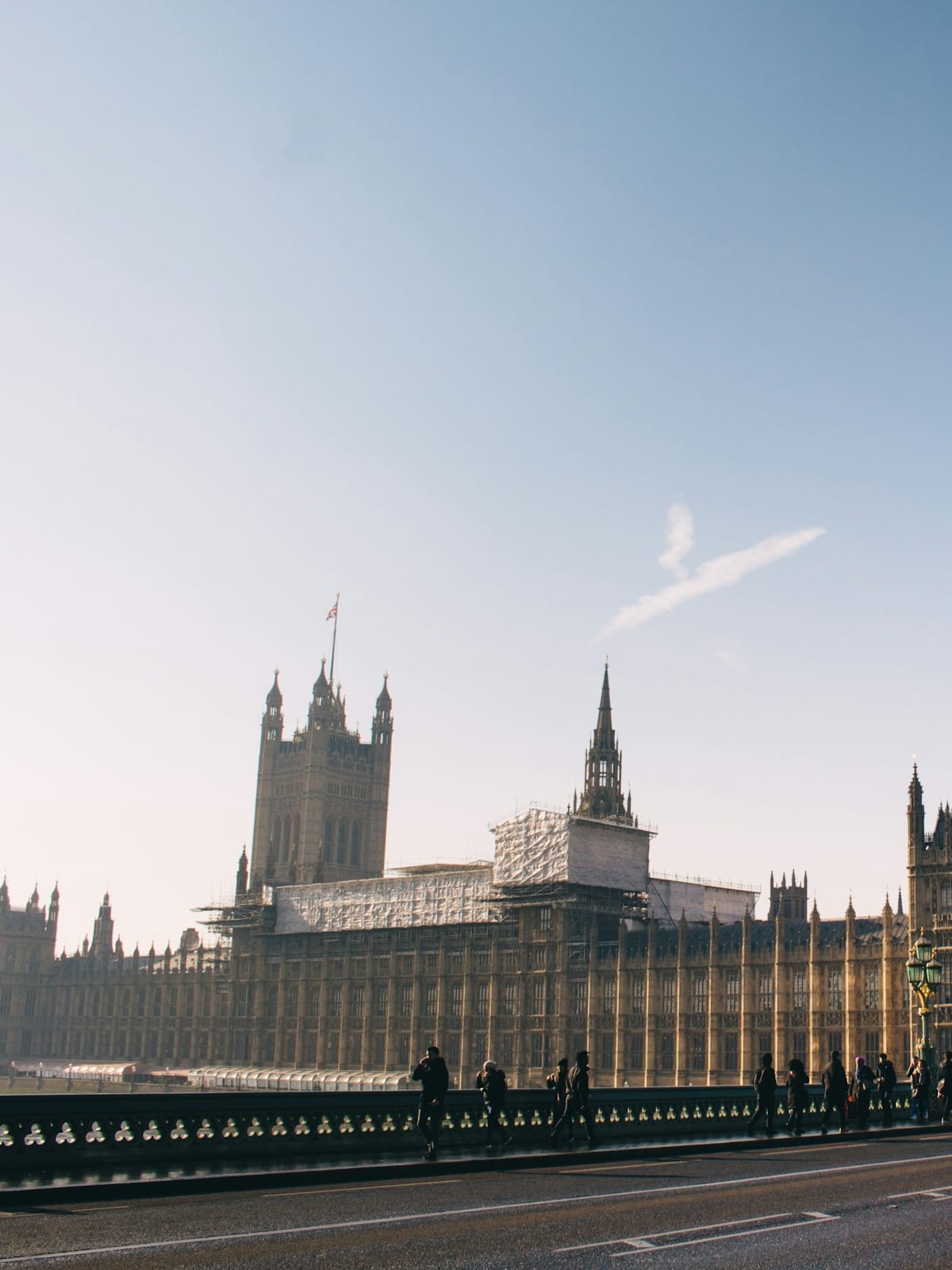
London is essential. Three days covers the major museums (the British Museum, the National Gallery, the V&A, the Tate Modern), a West End play or concert, the Tower of London, Westminster Abbey, and a proper stroll along the South Bank. The neighborhoods matter as much as the landmarks: Bloomsbury, Soho, the East End, Greenwich, and the villages of Chelsea and Kensington.
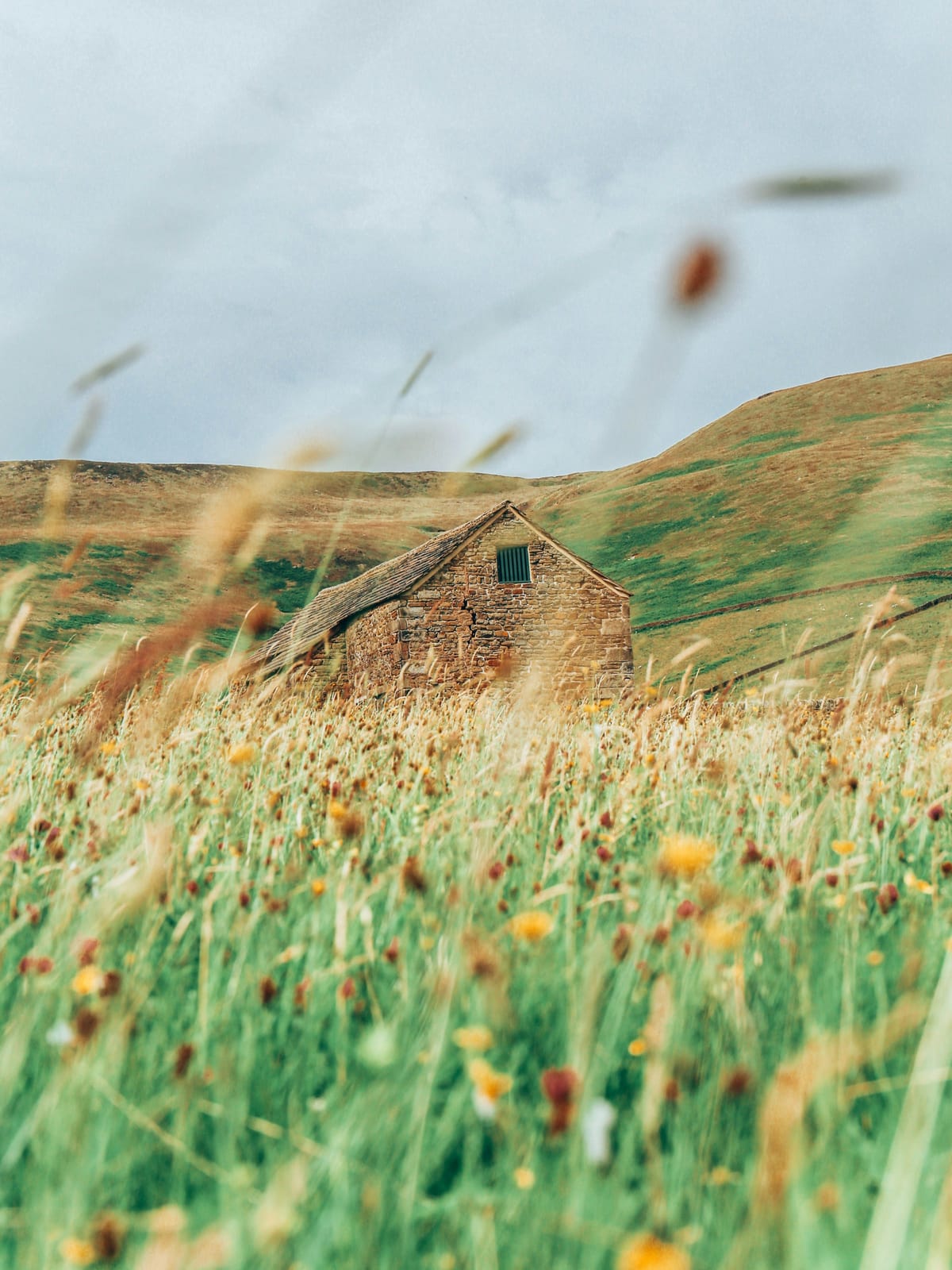
The Cotswolds lie northwest of London (2 hours by car) and offer the stereotypical England: rolling hills, dry stone walls, and villages built of pale golden stone. Bourton-on-the-Water, Bibury, and the Slaughters are picturesque and busy; the quieter villages like Moreton-in-Marsh and Chipping Campden are more rewarding. Bath (to the south) is a complete Georgian city built in limestone with excellent Roman remains and a good restaurant and café scene.
Oxford and Cambridge are two of the world's oldest universities. Oxford is larger, more diverse architecturally, and more walkable; Cambridge is smaller and built around the river. Each can be visited as a day trip from London or as an overnight base for exploring the surrounding countryside. Stratford-upon-Avon (Shakespeare's birthplace) pairs easily with the Cotswolds.
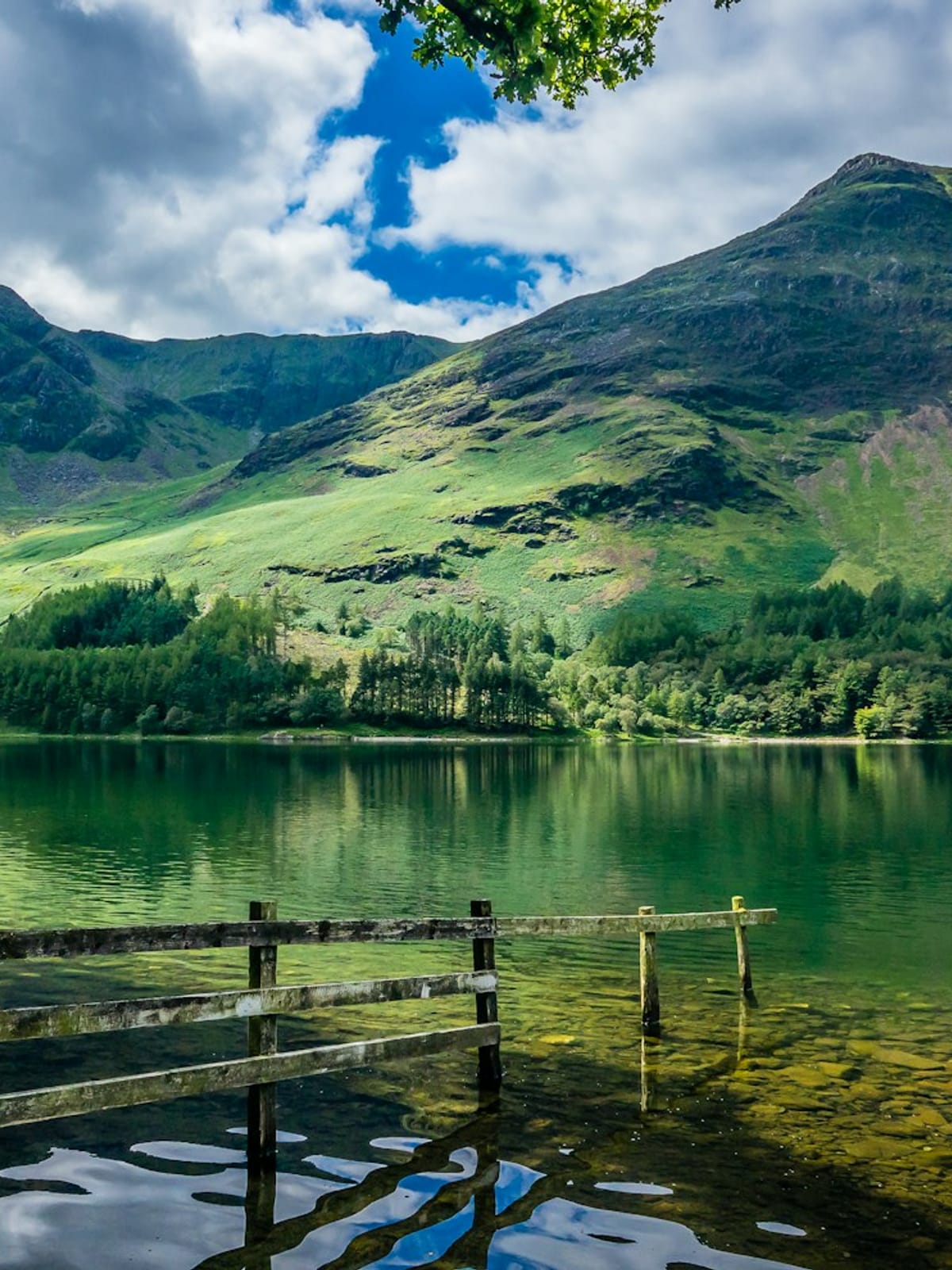
The Lake District in the northwest is England's mountain landscape — a glacially carved region of lakes, peaks, and valleys. Windermere is the largest and busiest lake; the quieter lakes (Ullswater, Coniston, Wastwater) are more beautiful. Towns like Ambleside and Keswick serve as bases for walking and exploring Wordsworth's country. This region deserves 4–5 days on its own.
South Coast options: Dorset (Lyme Regis, Weymouth, the Jurassic Coast), Devon (Exeter, Dartmoor, the beaches near Ilfracombe), and Cornwall (St Ives, Penzance, the moorland interior) offer a different England — windier, coastal, with a strong regional character. These are best visited as a separate journey or combined with a short London stay.
How many days do you need
| Duration | Route | Realistic? |
|---|---|---|
| 4 days | London only, with day trips to Windsor or Stonehenge | Yes — though London alone deserves longer. Day trips are exhausting. |
| 7 days | London + Cotswolds + Bath (or Oxford) | Yes — the classic south-of-England route. A good pace. |
| 10 days | London, Cotswolds, Lake District, or London and a slow southern route | Ideal. Enough time for each place and some serendipity. |
| 14 days | London, Cotswolds, Lake District, and Oxford, or a dual-region deep dive | Excellent. Allows slow walks, multiple stays per base, and flexibility. |
When to go
April–May (spring) and September–October (autumn) are the ideal months. May brings bluebells in the woods, gardens in full bloom, and mild afternoons (around 15–18°C / 59–64°F). September carries late summer warmth with shorter days and often the best light.
June and July are warm and long-daylight but busy. August is peak season — expensive and crowded, though the weather is reliable and the Cotswolds can be genuinely hot (up to 25°C / 77°F).
Winter (November–March) is cold and wet. The days are short (around 8 hours of daylight in December), and many country attractions close or reduce hours. London is less crowded and festive in December; the Cotswolds are moody but charming with fewer visitors.
Late October brings autumn colour to the Lake District and the southern parks; November is grey and damp. Do not expect snow except occasionally in December or January.
Getting around
London has excellent public transport — the Underground (Tube) and buses connect everything. Taxis and Ubers are plentiful but expensive. For day trips from London (Stonehenge, Windsor, Bath), trains or a private car work well.
Outside London, you will need a car or a private driver. The Cotswolds and the Lake District are built for exploring by car, with scenic drives and countryside parking. The roads are good, driving is on the left, and the distances are manageable. Self-driving is viable, though a private driver means you can relax, take photos, and stop at unexpected villages.
Trains connect the major cities (London to Oxford, Bath, Cambridge, Edinburgh) efficiently and are a good option if you prefer not to drive. Buses exist but are slower. In the countryside, public transport is sparse.
Practical notes for US and Canadian travellers
Passport: Check the UK's current entry requirements for US and Canadian citizens. A passport valid for six months is typically sufficient for a short stay; no visa is required. Since 2025, US and Canadian citizens also need an Electronic Travel Authorisation (ETA) before they travel — verify before you go.
Money: England uses the British pound sterling, which is typically stronger than the US dollar. ATMs are everywhere. Card payments are standard in shops, restaurants, and hotels; cash is increasingly optional but useful in rural villages.
Tipping: Tipping is not expected but is appreciated. 10–15% in restaurants if the service charge is not already included; a few pounds in a pub or a taxi is customary. Staff are paid reasonable wages, so tipping is voluntary, not obligatory.
Language: English is spoken everywhere, though regional accents vary. Nothing is an obstacle.
Driving: If you rent a car, remember that driving is on the left and petrol (gasoline) is sold by the litre. Roads are generally good but narrow in the Cotswolds and the Lakes. Parking in cities is regulated; plan ahead. Winter weather can bring rain and occasional ice — be cautious.
Common first-timer mistakes to avoid
Skipping the neighborhoods: London's major museums are world-class, but the neighborhoods (Bloomsbury, Camden, Shoreditch, the South Bank) are where the city's character lives. Spend time walking and sitting in cafés.
Rushing the Cotswolds: The villages are beautiful but can feel touristy if you do the postcard circuit (Bourton, Bibury) at speed. Stay overnight, eat dinner in a pub, and walk the countryside at dawn or dusk when the groups have left.
Underestimating travel time: England looks small on a map. A drive from London to the Lake District is 5–6 hours and involves multiple towns. Plan accordingly.
Visiting Oxford or Cambridge as a day trip: Yes, it's possible from London (45 minutes by train), but overnight is far better. The colleges are closed to visitors during exam time (May–June and late autumn), and the beauty is in the quiet — less crowded at dusk and before breakfast.
Missing the countryside: A trip that stays entirely in London or city attractions misses the real England. A day or two in a village or beside a lake changes the experience entirely.
How we plan an England tour
Every Black Deer Travel trip to England is private and custom. We build itineraries around London and a region that suits you — the Cotswolds for village charm and gardens, the Lake District for landscape and walking, the south coast for something different, Oxford and Cambridge for history and learning. We arrange hotel stays in the right towns, book restaurants in advance, and use private guides in London (to skip queues and see the museums at your pace) and in the countryside (to find the quiet spots and tell the stories). Most England tours run April to October, when the gardens are open and the weather is mild. Tell us what period of English history or literature speaks to you — we'll shape the journey around it.
Frequently asked questions
What is the best time to visit England?
April–May and September–October are ideal, with mild weather and gardens in bloom. July and August are warmest but busiest and most expensive. Winter (November–March) is cold and wet, though London is festive in December and country attractions are less crowded.
How many days do you need in England?
Seven to ten days is good for a first visit — enough for London (3–4 days) and a region like the Cotswolds or Oxford. Two weeks lets you add the Lake District or a southern route without rushing. Four days (London only) is possible but misses the countryside charm.
What are the must-see sights in England?
London (British Museum, National Gallery, Tower of London, Westminster Abbey), the Cotswolds villages, Oxford or Cambridge, Stonehenge, and the Lake District are the most visited. That said, the real England is often in the quieter villages, the gardens, and the afternoon pubs — not the famous landmarks.
Do I need to rent a car in England?
In London, no — public transport and walking are best. Outside London, a car or private driver is very useful for the Cotswolds, the Lake District, and the south coast. Trains connect the major cities efficiently. Self-driving is viable if you're comfortable driving on the left.
Is England expensive to visit?
England is pricier than much of Europe but not outrageous. London hotels and restaurants are dear. The Cotswolds and Lake District are moderate. Museum entry is free or cheap. Budgeting for good hotels and private guides is advisable and worth the experience.
What should I pack for a trip to England?
Waterproof jacket and umbrella are essential — rain is frequent. Layers are vital, as weather changes quickly. Good walking shoes, a warm jumper, and an adaptable wardrobe suit the mild, changeable climate. In winter, add a scarf, gloves, and a heavy coat. In summer, sunscreen is often forgotten but necessary.
 Quick cookie chat